Adult Christmas Traditions
Introduction to Christmas
The Story of Christmas
At its heart, Christmas is a Christian holiday celebrating the birth of Jesus Christ. For billions of people, December 25th marks a sacred occasion central to their faith. However, the story of Christmas is much broader, weaving together centuries of history, culture, and tradition from around the world.
Interestingly, the Bible doesn't specify the exact date of Jesus's birth. The choice of December 25th was likely made in the 4th century. Many historians believe early church leaders chose this date to coincide with existing pagan winter solstice festivals, such as the Roman holiday Saturnalia. By linking their new celebration to an established one, they made it easier for people to adopt Christianity.
Christmas, a Christian holiday honoring the birth of Jesus, has evolved into a worldwide religious and secular celebration, incorporating many pre-Christian and pagan traditions into the festivities.
From Quiet Day to Global Holiday
For the first few centuries of Christianity, Easter was the main holiday, and Christmas was not widely celebrated. It gained prominence during the Middle Ages, becoming a major festival filled with feasting and merriment. The holiday's fortunes changed during the Protestant Reformation in the 16th century. Some groups, like the Puritans, felt the celebrations were too rowdy and lacked biblical support, and they even banned Christmas for a time in England and parts of colonial America.
The modern Christmas we know today largely took shape in the 19th century. The Victorian era in Britain romanticized the holiday, shifting its focus toward family, gift-giving, and charity. Writers like Charles Dickens, with his story A Christmas Carol, helped cement this idea of Christmas as a time of goodwill and togetherness.
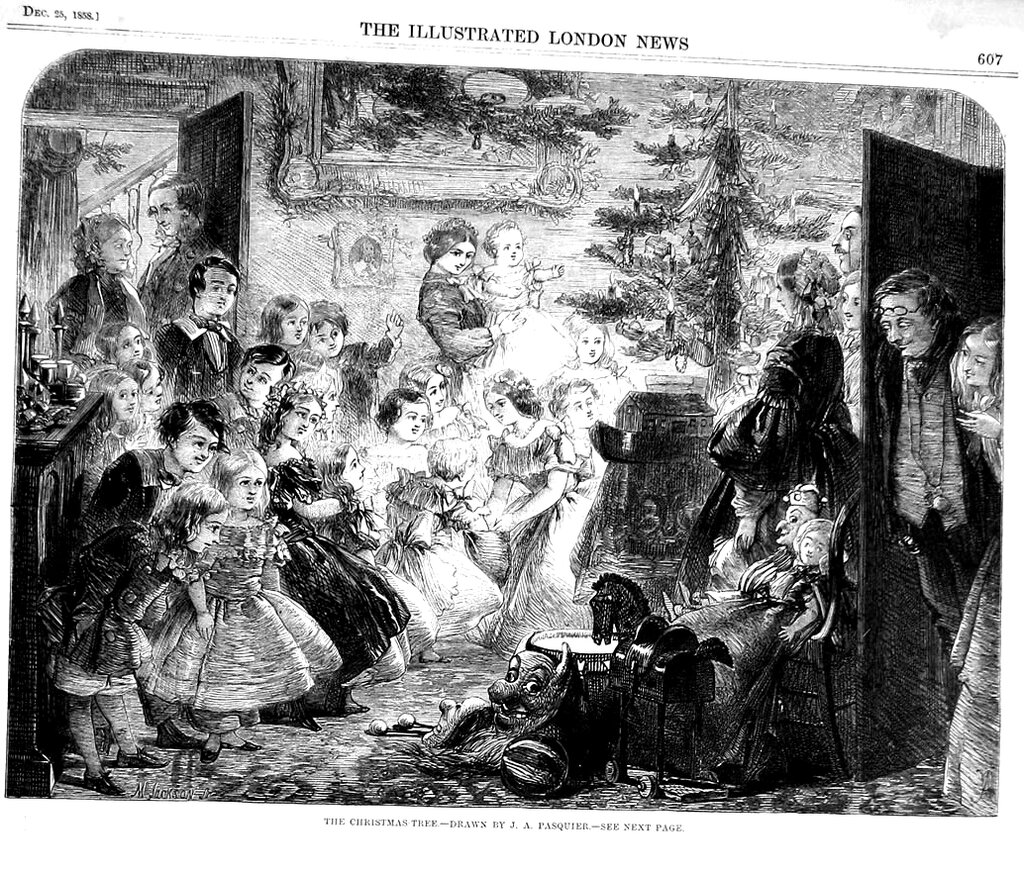
As European influence spread through colonialism and missionary work, so did Christmas. But the holiday didn't just replace local traditions; it often blended with them. People in different parts of the world adapted Christmas to fit their own cultures, creating a rich tapestry of unique celebrations.
A Holiday for Everyone
Today, Christmas is a global phenomenon. For Christians, it remains a profoundly religious time, marked by church services, nativity scenes, and reflection on the spiritual meaning of Jesus's birth. It's a period of hope, peace, and divine love.
At the same time, Christmas has become a major secular holiday for many non-Christians. In this context, the focus is often on the cultural aspects: spending time with loved ones, exchanging gifts, and enjoying the festive atmosphere. It's a season centered on generosity, kindness, and community spirit, values that resonate across different beliefs and backgrounds.
Whether viewed through a religious or secular lens, Christmas has become a worldwide cultural touchstone for connection and celebration.
Ready to test your knowledge on the origins of this global holiday?
According to historians, why was December 25th likely chosen as the date for Christmas?
During the Protestant Reformation, how did groups like the Puritans view Christmas celebrations?
This broad look at the holiday's history sets the stage for exploring its many fascinating traditions.