Adult Attachment Styles Explained
Introduction to Attachment Theory
The Bond That Shapes Us
At its core, attachment theory is about the deep emotional bond that connects one person to another. It’s the invisible string that ties us together. The theory was first developed to understand the intense connection between an infant and their primary caregiver, but its ideas reach across our entire lifespan.
Think of this first major relationship as a blueprint. It shapes our expectations about what relationships are like, how we see ourselves, and how we view others. It lays the groundwork for how we connect with friends, partners, and even our own children later in life.
Humans form bonds, seek attachment, empathy, and understanding.
The Pioneer John Bowlby
The story of attachment theory begins with a British psychoanalyst named John Bowlby. In the mid-20th century, he worked with children who had been separated from their parents. He noticed a profound and consistent pattern of distress in these children, which led him to a groundbreaking idea.
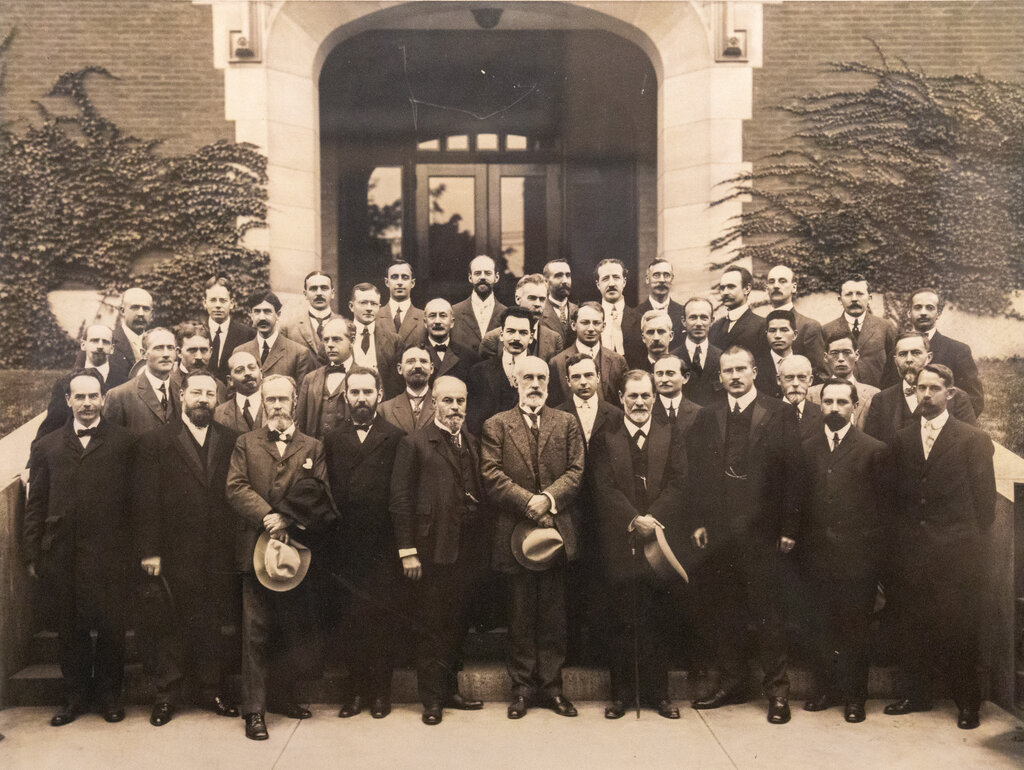
At the time, many believed that babies bonded with their mothers simply because they provided food. Bowlby disagreed. He argued that attachment is not about hunger, but about a deep-seated biological need for safety and security. It's an evolutionary survival mechanism.
Babies are born with instincts like crying, smiling, and clinging. These behaviors aren't random; they are designed to keep a caregiver close, protecting the infant from danger.
This caregiver acts as a “secure base” from which the child can safely explore the world. Knowing they have a safe harbor to return to gives them the confidence to learn and grow.
Observing the Bond
Bowlby’s ideas were powerful, but they needed to be tested. That's where Mary Ainsworth, an American-Canadian psychologist who worked with Bowlby, came in. She wanted to create a way to observe and measure the quality of attachment between a child and caregiver.
She developed a now-famous experiment called the "Strange Situation." It’s a simple, structured observation that takes about 20 minutes. A caregiver and a child (typically around one year old) enter an unfamiliar playroom. The experiment unfolds in a series of short episodes involving the caregiver leaving the child alone or with a stranger, and then returning.
The focus wasn't on how much the child cried when the caregiver left. Instead, Ainsworth was most interested in the child's reaction when the caregiver returned. This reunion behavior was the key to understanding the child's attachment pattern.
Early Patterns of Connection
From her observations, Ainsworth identified several distinct patterns of attachment in children.
| Attachment Pattern | In the Strange Situation... |
|---|---|
| Secure | The child explores freely when the caregiver is present, gets upset when they leave, and is easily soothed upon their return. They clearly prefer the caregiver to the stranger. |
| Anxious-Ambivalent | The child is wary of exploring and stays close to the caregiver. They are highly distressed when the caregiver leaves but are not comforted by their return. They may seem to want comfort but also resist it. |
| Avoidant | The child seems indifferent to the caregiver's presence or absence. They show little distress when left and may actively ignore the caregiver upon their return, often interacting with the stranger. |
These patterns aren't judgments about a child or a parent. They simply describe the dynamic of a particular relationship. A child’s temperament and a caregiver's responsiveness both play a role in shaping which pattern develops. Most children, about 60%, fall into the secure category.
These early attachment styles are important because they create what Bowlby called an “internal working model.” This is an unconscious set of expectations about relationships. A securely attached child learns that they are worthy of love and that they can count on others for help. This model influences their feelings, thoughts, and behaviors as they grow.
While these patterns are formed in childhood, they aren't set in stone. They continue to evolve as we have new experiences and form new relationships. The blueprint can be revised, but our first connections provide the foundational draft.