Adtech in Connected TV
Introduction to CTV
What is Connected TV?
Chances are you're already using Connected TV, or CTV, without even thinking about it. At its core, CTV simply means watching video content on a television screen through an internet connection. It’s the device that makes it happen.
Connected TV (CTV)
noun
A television set connected to the internet, used to stream video content.
Instead of relying on a traditional cable box or a satellite dish, a CTV gets its content directly from the web. This simple shift has completely changed how we watch television, moving from a fixed schedule to a world of on-demand choices.
CTV vs. Traditional TV
The main difference between CTV and traditional TV is how the content gets to your screen. Traditional television is linear. That means programs are broadcast at a specific time on a specific channel, and you tune in to watch them live. Think of flipping through channels with a remote control to see what's on right now.
CTV, on the other hand, is all about choice and flexibility. It's an on-demand experience. You decide what to watch and when to watch it, pulling from vast libraries of content available through different apps and services.
This table breaks down the key distinctions:
| Feature | Traditional TV | Connected TV (CTV) |
|---|---|---|
| Delivery | Broadcast, Cable, Satellite | Internet (Streaming) |
| Content Access | Scheduled (Linear) | On-Demand |
| Viewer Control | Limited (Channel Surfing) | High (Pause, Rewind, Search, Browse) |
| Experience | Passive viewing | Active, personalized choice |
The CTV Ecosystem
The term "CTV" refers to the television set itself, but it's part of a larger ecosystem of devices and platforms that enable internet-based streaming. These are the main ways people access CTV content.
Smart TVs are the most direct way to get connected. These TVs come with built-in internet connectivity and an operating system, allowing you to download streaming apps like Netflix, Hulu, or YouTube directly onto the television.
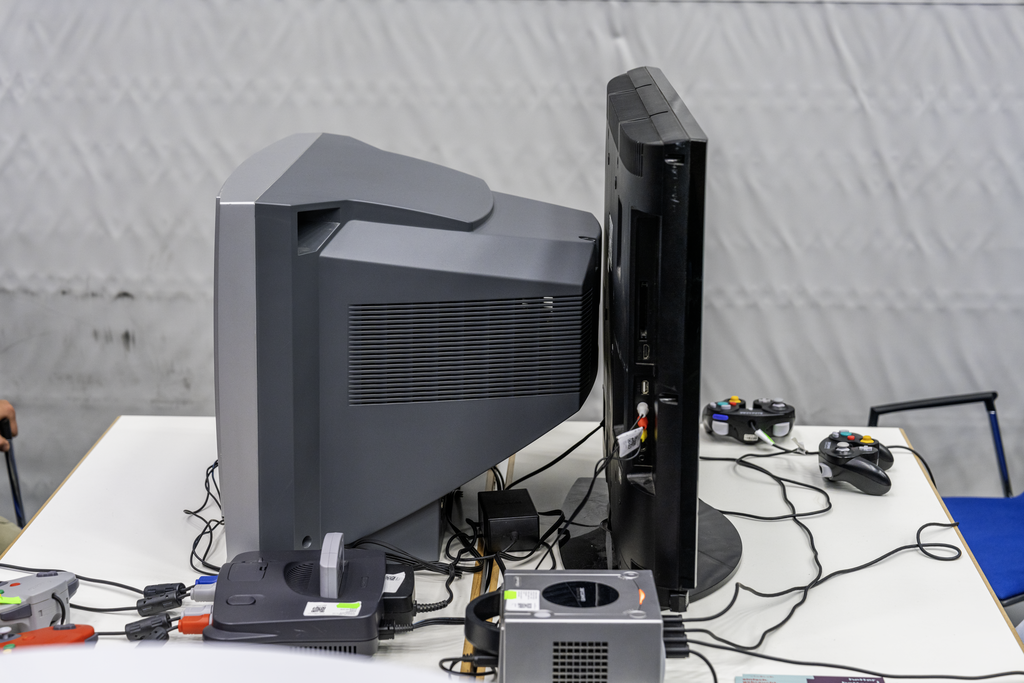
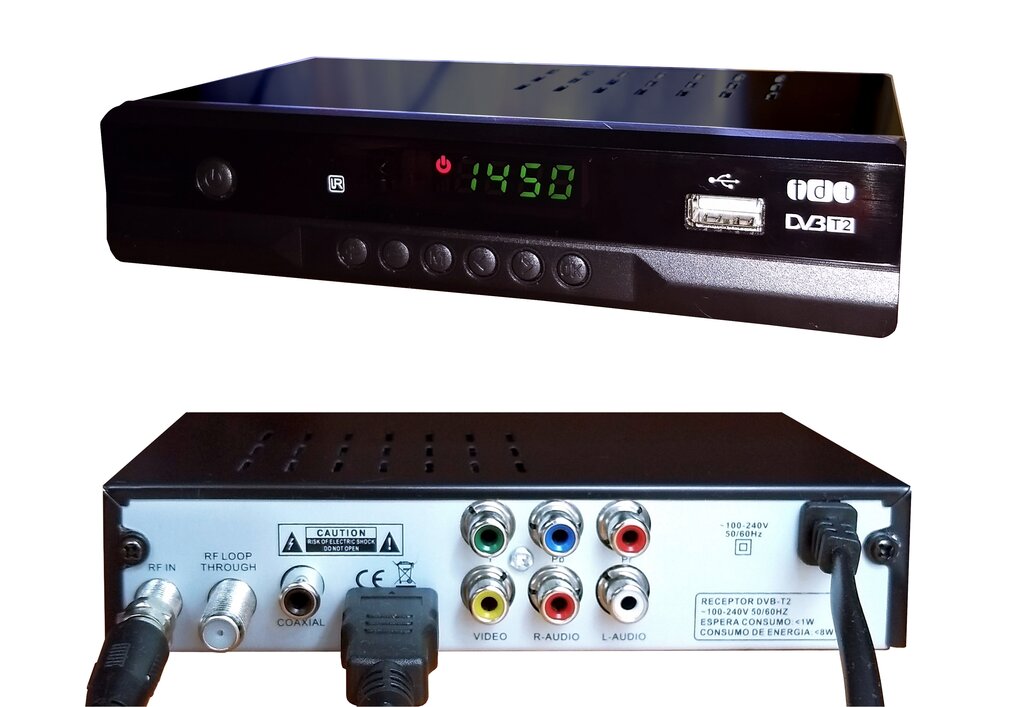
Even if your TV isn't "smart," you can easily turn it into a CTV device with an external streaming media player. These small devices plug into your TV's HDMI port and connect to your Wi-Fi network. Popular examples include Roku, Apple TV, Amazon Fire TV Stick, and Google Chromecast.
Finally, modern gaming consoles are powerful entertainment hubs. Consoles like the PlayStation 5 and Xbox Series X are not just for gaming; they also offer a wide range of streaming apps, effectively turning any TV they're connected to into a fully-featured CTV.
The rapid growth of CTV is reshaping media. As more households cut the cord on traditional cable and embrace high-speed internet, streaming on the big screen has become the new normal. This shift isn't just a trend; it represents a fundamental change in how we consume entertainment.
Initial data from the service shows that ad-supported offerings still dominate TV viewing and that ad-supported streaming platforms account for a significantly larger share of TV viewing than broadcast or cable.
Let's check what you've learned about the fundamentals of Connected TV.
What is the core concept of Connected TV (CTV)?
Which of the following best describes the main difference between traditional linear TV and CTV?
Understanding these basics is the first step in navigating the modern media landscape. CTV is not just a new type of television; it's the centerpiece of home entertainment today.