Adrenaline's Impact on the Body
Introduction to Adrenaline
What is Adrenaline?
Adrenaline, also known as epinephrine, is one of the body's most powerful chemical messengers. It functions as both a hormone and a neurotransmitter, playing a central role in the 'fight-or-flight' response. When you face a stressful or exciting situation—like public speaking or narrowly avoiding an accident—your body releases adrenaline to prepare you for action.
As a hormone, adrenaline travels through the bloodstream to act on various organs. As a neurotransmitter, it sends rapid signals between nerve cells.
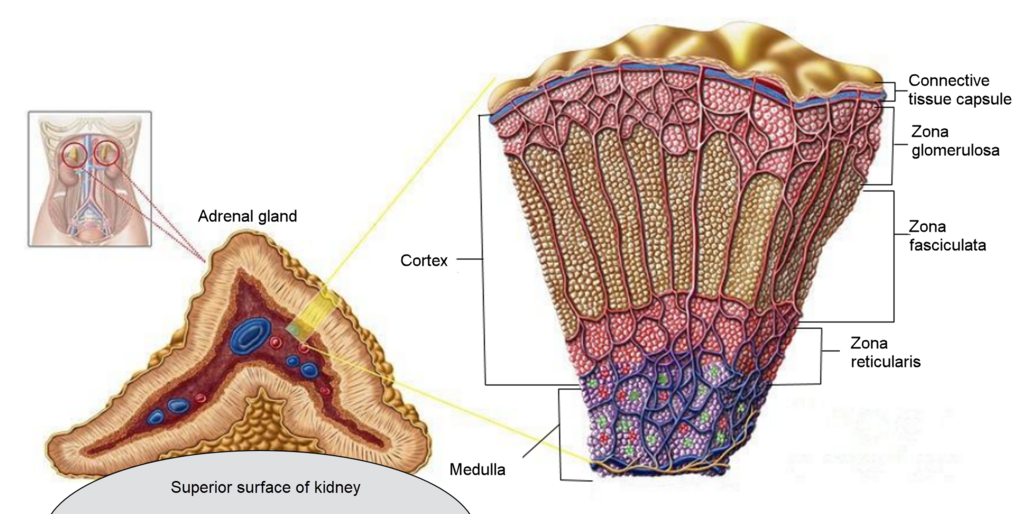
This dual role allows adrenaline to orchestrate a rapid, body-wide response. It's produced in the adrenal glands, small but mighty organs located on top of each kidney.
Building Adrenaline
Adrenaline belongs to a group of molecules called catecholamines, which also includes noradrenaline (norepinephrine) and dopamine. Its chemical structure features a catechol group (a benzene ring with two hydroxyl side groups) attached to an amine side chain. This specific structure allows it to bind to adrenergic receptors on cells throughout the body.
The body synthesizes adrenaline through a multi-step process that starts with a common amino acid, tyrosine. This pathway takes place primarily in the adrenal medulla.
The final step, converting noradrenaline to adrenaline, is unique to the adrenal medulla. When the sympathetic nervous system is activated by stress, it sends a signal to the adrenal glands, triggering the release of stored adrenaline directly into the bloodstream.
Adrenaline's Job Description
Once in circulation, adrenaline acts on almost every system in the body to prepare it for peak physical exertion. Its primary functions are geared towards survival and immediate action.
Here are some of its key roles:
- Cardiovascular System: Adrenaline increases heart rate and the force of heart contractions, pumping more oxygenated blood to your muscles and brain.
- Respiratory System: It relaxes the smooth muscles of the airways, allowing you to breathe more deeply and easily, which increases oxygen intake.
- Metabolism: Adrenaline stimulates the breakdown of glycogen (stored glucose) in the liver and muscles. This floods the bloodstream with glucose, providing a quick energy source for cells.
- Sensory Perception: It can heighten your senses, making you more alert and aware of your surroundings.
Essentially, adrenaline re-prioritizes your body's resources, diverting energy away from non-essential processes like digestion and toward functions vital for immediate survival.
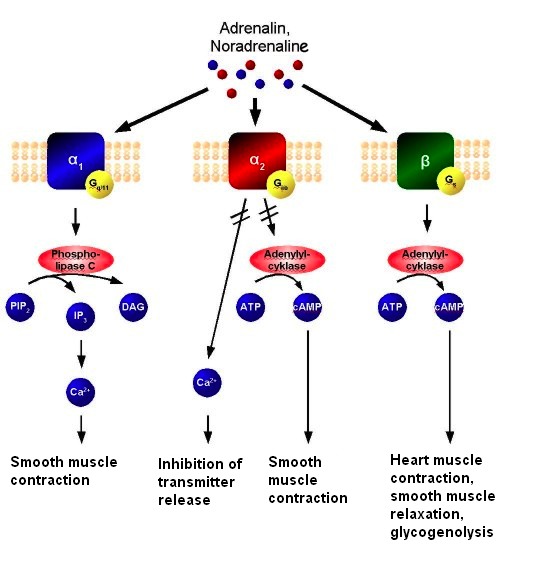
This coordinated response ensures your body is primed to either confront a threat or flee from it. While this system is ancient and highly effective, its activation also underlies many of the physical sensations we associate with stress and anxiety.