Adolescent Sociological Trauma
Introduction to Adolescent Trauma
More Than a Bad Day
We often use the word “trauma” casually, but in a psychological sense, it has a specific meaning. Trauma isn't just a very bad experience. It's an emotional response to a distressing event that overwhelms a person's ability to cope, leaving them feeling helpless and diminishing their sense of self and their ability to feel a full range of emotions.
trauma
noun
An emotional response to a deeply distressing or disturbing event that overwhelms an individual's ability to cope, causes feelings of helplessness, and diminishes their sense of self and their ability to feel a full range of emotions.
For adolescents, this is particularly critical. Teenagers are in a period of rapid brain development and identity formation. Their brains are more sensitive to stress, and their sense of who they are is still taking shape. A traumatic experience can disrupt these crucial developmental processes. What might be a frightening event for an adult can be a foundation-shattering one for a teen.
Trauma isn't one-size-fits-all. It can stem from a single incident or from prolonged, repeated experiences.
Acute Trauma: Results from a single, stressful, or dangerous event. Examples include a car accident, a natural disaster, or a violent assault.
Chronic Trauma: Occurs from repeated and prolonged exposure to highly stressful events. This could be long-term bullying, domestic violence, or chronic illness.
Complex Trauma: Stems from exposure to multiple, varied traumatic events, often within a person’s primary caregiving system. This can include a combination of neglect, abuse, and community violence.
An Unseen Epidemic
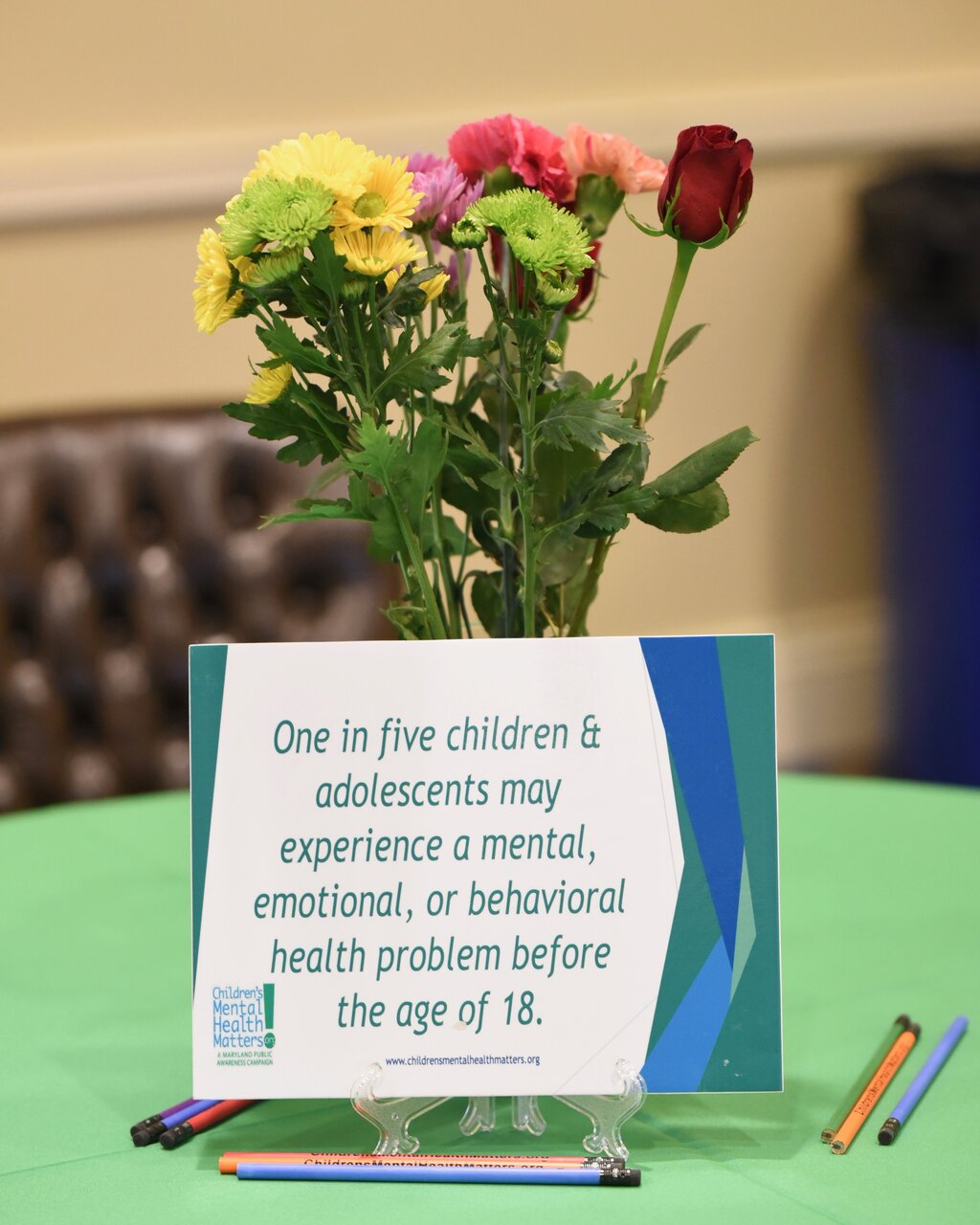
Traumatic experiences are more common among adolescents than many people realize. While exact numbers are hard to pinpoint, studies suggest that a significant portion of teenagers will experience at least one potentially traumatic event before they reach adulthood.
These events can range widely. They include experiencing or witnessing violence, physical or sexual abuse, neglect, the sudden death of a loved one, or living in a household with substance abuse or mental illness. Even events like a serious accident, a difficult medical procedure, or persistent bullying can be traumatic.
The key is not just the event itself, but the individual's experience of it. Two people can go through the same event, and one may be traumatized while the other is not. An adolescent’s internal resources, family support, and community environment all play a role in how they process what happened.
Looking Beyond the Individual
Understanding trauma in adolescents requires looking beyond individual psychology. A sociological perspective helps us see the bigger picture. It recognizes that trauma doesn't happen in a vacuum. It is deeply connected to the social world a teenager inhabits.
While trauma is a deeply personal experience, its roots and consequences are often social.
This perspective prompts us to ask important questions. Why are certain groups of young people more likely to experience trauma than others? How do factors like poverty, discrimination, and community violence create environments where trauma is more likely to occur? How do social support systems, or the lack thereof, affect a teen's ability to recover?
By zooming out, we can see patterns that aren't visible when focusing only on one person. We start to understand that preventing and treating adolescent trauma isn't just about individual therapy. It's also about building safer communities, stronger families, and more equitable social systems.
What is the primary factor that distinguishes a psychologically traumatic event from a simply distressing one?
Why are adolescents considered particularly vulnerable to the effects of trauma?
This wider view is crucial for creating effective support and prevention strategies that address the root causes of trauma, not just its symptoms.