Adolescent Rucking Foundations for RASP Preparation
Youth Biomechanics
Your Growing Body Under Load
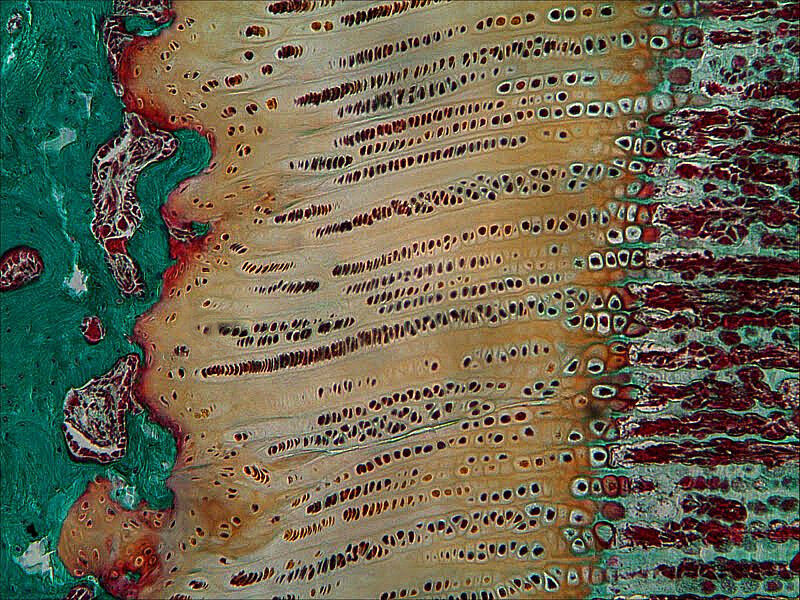
As a young athlete, you're used to pushing your body. But it's crucial to understand that your skeleton is still under construction. Unlike an adult's, your bones contain active at the ends of long bones like your femur and tibia. These areas are made of cartilage and are responsible for your bones getting longer. While this process is happening, these plates are softer and more vulnerable to injury than solid bone.
When you add weight, like a ruck pack, you're increasing the stress on this developing framework. The goal isn't to avoid stress entirely—that's how bones get stronger—but to apply it intelligently. The key is to manage the load and your movement to protect these vulnerable spots and prevent injuries like stress fractures.
Rucking vs. Running
You might think walking with weight is just... slower running. But biomechanically, it's a completely different activity. Running involves a "flight phase" where both feet are off the ground. When you land, your body absorbs significant —essentially, the impact of hitting the pavement. This impact can be several times your body weight.
Effective rucking minimizes this vertical impact. Instead of bouncing, you should adopt a gait closer to a shuffle. The goal is to keep your feet low to the ground and maintain forward momentum. Think of it like gliding over the surface rather than pounding it. Your steps will be shorter and quicker than your normal walking stride, and you'll lean slightly forward from the ankles to keep your center of gravity over your feet.
High-Risk Zones and Self-Checks
Even with proper form, the repetitive stress of rucking targets specific areas. For young athletes, the most common sites for stress fractures are the tibial shaft (your shin bone) and the metatarsals (the long bones in your foot). These injuries aren't from a single dramatic event, but from accumulated stress that overwhelms the bone's ability to repair itself.
Why do these injuries happen? Often, it's due to underlying muscular imbalances or poor alignment. If your hips are weak, for example, your knee might collapse inward with each step. This subtle shift changes the angle of force traveling down your leg, putting extra strain on your tibia and foot. Over thousands of steps, that strain adds up.
Performing regular self-assessments can help you spot these issues before they become injuries. Here are a few simple checks:
| Self-Check | How to Do It | What to Look For |
|---|---|---|
| Single-Leg Squat | Stand on one leg and slowly squat down as if sitting in a chair. | Does your knee dive inward? Can you keep your hips level? |
| Plank | Hold a standard plank position. | Do your hips sag or rise up? Can you maintain a straight line from head to heels? |
| Glute Bridge | Lie on your back with knees bent. Lift your hips toward the ceiling. | Do you feel it more in your hamstrings or lower back than your glutes? Do your hips rise evenly? |
If you notice significant imbalances, it's a sign to incorporate targeted strengthening exercises for your hips, glutes, and core. A strong foundation is the best defense against overuse injuries.
Too rapid advancement can overwhelm clients while increasing injury risks.
Ready to check your understanding?
Why are the bones of young athletes particularly vulnerable to injury from weight-bearing activities like rucking?
What is the key biomechanical difference between running and the recommended technique for rucking?
Rucking is a powerful tool for building endurance, but it demands respect for your body's current stage of development. Start with a light weight, focus on your form, and listen to your body. Smart, gradual progression is the key to getting stronger without getting sidelined.