Adobe Experience Manager Essentials
Introduction to AEM
What Is Adobe Experience Manager?
Adobe Experience Manager, or AEM, is a powerful tool that helps large businesses manage all of their digital content. Think websites, mobile apps, and online forms. It's a comprehensive platform that combines two major functions into one system: a Content Management System (CMS) and a Digital Asset Management (DAM) system.
Let's break down what those two parts mean. A CMS helps you create, manage, and publish web pages without needing to be a coding expert. A DAM, on the other hand, is a centralized library for all of a company's media files—images, videos, documents, and audio clips.
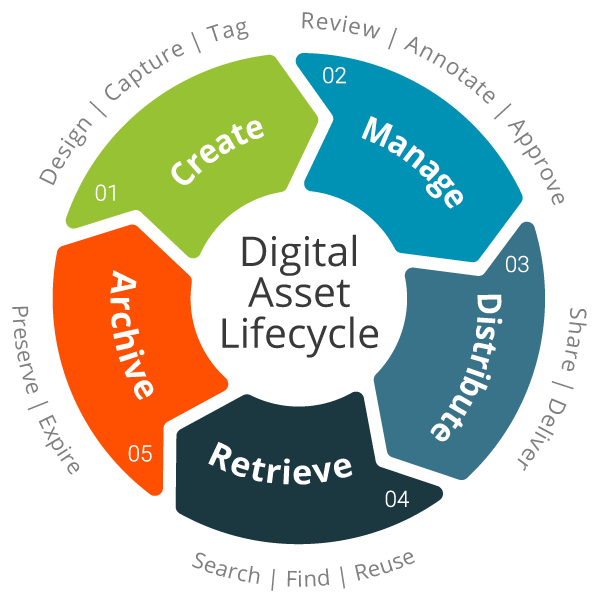
By bringing these two systems together, AEM lets teams manage both their website content and their digital assets from a single place. This integration makes it much easier to create consistent, high-quality experiences for customers, no matter how they interact with the brand.
Key Features
AEM is packed with features designed for large-scale content operations. Three of the most important ones are content fragments, responsive design capabilities, and omnichannel delivery.
Content fragments are small, modular pieces of content—like a product description, an author's biography, or a legal disclaimer. They are created without a specific design in mind, which means they can be reused across many different pages and channels.
Imagine writing a promotional message for a sale. With content fragments, you write it once. AEM can then automatically push that same message to your company's website, mobile app, and even an in-store digital display. If you need to update the message, you only have to change it in one place.
AEM also simplifies creating responsive web designs. This ensures that a website looks and works great on any device, from a wide desktop monitor to a small smartphone screen. The platform provides tools to preview and adjust how content appears on different screen sizes, so the user experience is always smooth.
This leads to the concept of omnichannel delivery. Today, customers interact with companies through many touchpoints: they might browse a website on their laptop, use a mobile app on the go, and receive marketing emails. AEM helps businesses deliver a consistent brand experience across all these channels. Using reusable assets and content fragments, it ensures the messaging, style, and information are coordinated everywhere.
Why Use AEM?
The main benefit of AEM is its ability to simplify complexity. Large organizations often have thousands of web pages and digital assets, multiple brands, and a global audience. AEM provides the structure to manage all of this efficiently.
It allows marketing and development teams to work together seamlessly. Marketers can create and update content without writing code, while developers can build reusable templates and components that ensure brand consistency. This separation of tasks helps teams launch new digital experiences faster and with fewer errors.
What are the two primary systems that Adobe Experience Manager (AEM) combines into a single platform?
A company wants to display the same promotional message on its website, mobile app, and in-store digital screens, and be able to update it in one place. Which AEM feature is specifically designed for this purpose?
By centralizing content and assets, AEM helps businesses create more personalized and engaging experiences for their customers, which is key in today's digital world.