Adlerian Psychology Advanced Applications
Foundations of Adlerian Psychology
The Whole Person
Alfred Adler, a pioneer in psychology, saw people not as a collection of separate parts, but as a complete, unified whole. He believed that to understand someone, you can't just look at their thoughts, feelings, or actions in isolation. You have to see how they all work together as part of a single, indivisible personality. This is the principle of holism.
Think of it like a symphony. A single violin note is just a sound. But when you hear it played alongside the cellos, flutes, and percussion, it becomes part of a larger piece of music. Adlerian psychology views each person in the same way. Every aspect of your life—your memories, your dreams, your habits—is part of a consistent pattern of movement toward a specific life goal. Nothing is random; everything is interconnected.
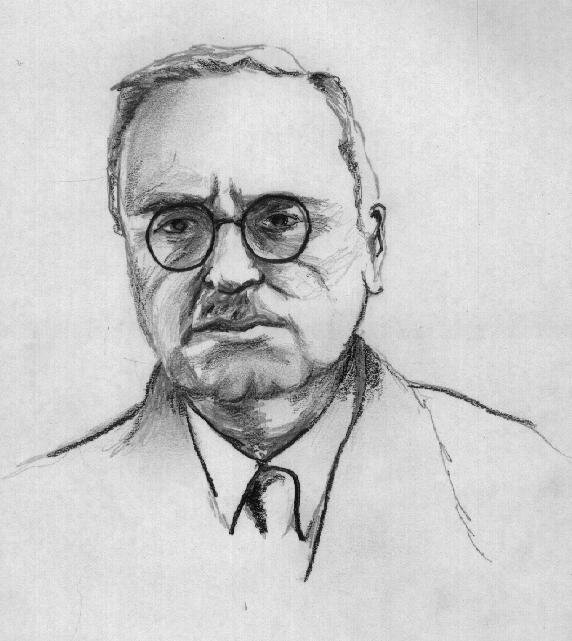
The Pull of Community
Adler proposed a powerful idea: that a fundamental part of being human is our innate need to belong and contribute to the welfare of others. He called this Gemeinschaftsgefühl, which translates to "social interest" or "community feeling." It’s the sense that we are all in this together, a part of the larger human family.
Alfred Adler’s individual psychology presents an optimistic view of people while resting heavily on the notion of social interest, that is, a feeling of oneness with all humankind.
This isn't just about being nice. Adler saw social interest as a key measure of mental health. A well-adjusted person directs their energy toward tasks that benefit others, such as cooperation, friendship, and love. Problems arise when people become discouraged and focus solely on their own perceived shortcomings or selfish goals, disconnecting from the community.
The Engine of Growth
Everyone feels inferior at times. For Adler, this wasn't a sign of weakness but the very source of human striving. From the moment we are born, we are small, dependent, and less capable than the adults around us. This creates a natural feeling of inferiority.
This feeling acts as a powerful motivator. It pushes us to overcome challenges, learn new skills, and grow. Adler called this the "striving for superiority." It’s important to understand that this doesn't mean striving to be better than other people. It's a drive for completion, for moving from a felt minus position to a plus position, becoming a more perfect and capable version of ourselves.
This striving is the engine of our development. Without the initial feeling of falling short, we would have no reason to push ourselves forward.
Living with Purpose
Why do you do what you do? Adler believed that all human behavior is purposeful and goal-oriented. This concept is known as teleology. We aren't just pushed by our past experiences; we are actively pulled by our vision of the future.
Each of us develops a unique, subjective goal early in life, a sort of guiding fiction or self-ideal that gives our life direction. This goal, often unconscious, influences all our thoughts, feelings, and actions. It's the destination we are constantly moving toward. Understanding this personal goal is key to understanding a person's behavior.
These foundational ideas—holism, social interest, the inferiority-superiority dynamic, and goal orientation—form the core of Adler's optimistic and practical view of human nature.