ADHD Productivity and Consistency Hacks
Understanding ADHD
Understanding ADHD
Attention-Deficit/Hyperactivity Disorder, or ADHD, is more than just feeling scattered or energetic. It's a neurodevelopmental disorder, meaning it stems from differences in how the brain develops and functions. These differences create a persistent pattern of challenges that can affect many areas of life, from school and work to relationships.
ADHD is defined as a persistent pattern of trouble with attention and/or hyperactivity-impulsivity that gets in the way of your daily functioning or development.
While everyone experiences moments of distraction or restlessness, for someone with ADHD, these challenges are constant and can significantly interfere with their ability to function. It isn't a choice or a lack of willpower.
The Three Core Symptoms
ADHD symptoms are typically grouped into three main categories. People may experience symptoms from one, two, or all three categories.
| Symptom Type | Key Characteristics |
|---|---|
| Inattention | Difficulty sustaining focus, staying organized, and following through on tasks. |
| Hyperactivity | Excessive movement, restlessness, and an inability to remain still in appropriate situations. |
| Impulsivity | Acting hastily without forethought, interrupting others, and struggling with self-control. |
Inattention can look like frequently losing items, being forgetful in daily activities, or getting easily sidetracked. Hyperactivity might manifest as fidgeting, an internal feeling of restlessness, or excessive talking. Impulsivity can lead to making important decisions without considering long-term consequences or having trouble waiting your turn.
A Look Inside the Brain
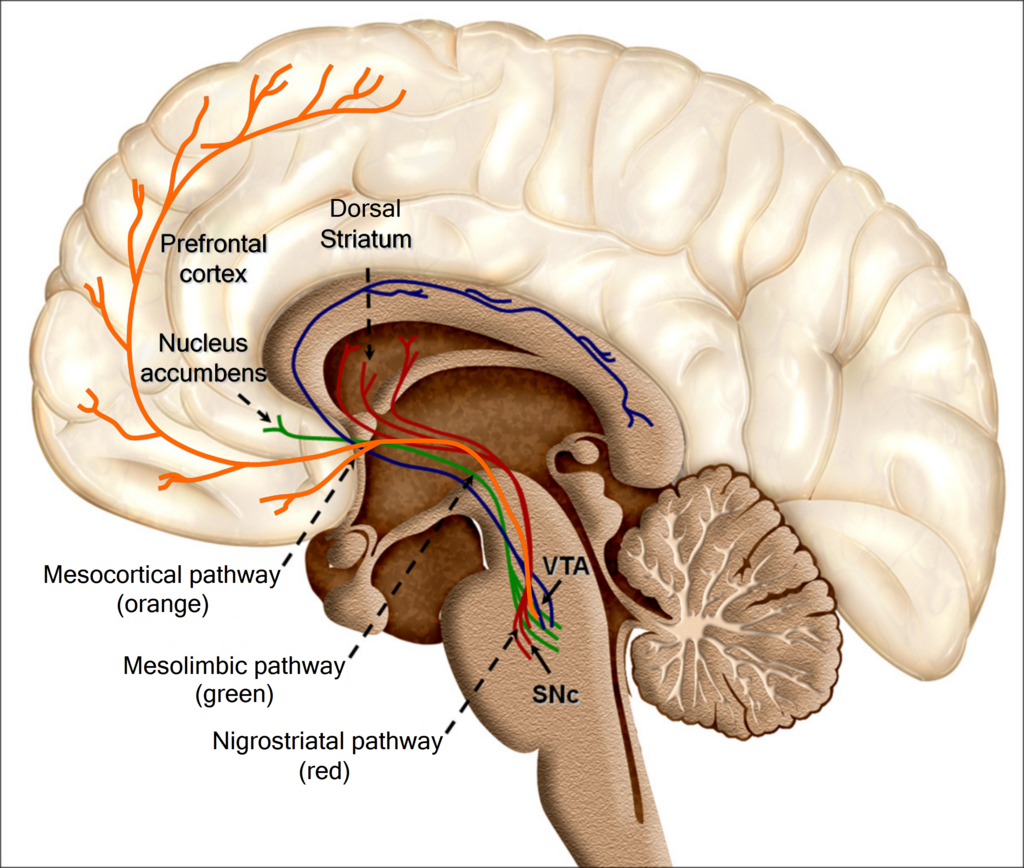
The challenges of ADHD are rooted in the brain's structure and chemistry. Research points to differences in specific brain regions, particularly the prefrontal cortex. This area is the brain’s command center, responsible for regulating attention, making decisions, and managing behavior.
Neurotransmitters, which are chemical messengers in the brain, also play a key role. In ADHD, there's a dysregulation of certain neurotransmitters, especially dopamine. Dopamine is crucial for motivation, focus, and feelings of reward. When the dopamine system functions differently, it can be harder to stay engaged with tasks that aren't immediately interesting, even if they are important.
Impact on Executive Functions
Many ADHD symptoms are ultimately challenges with executive functions. These are the set of high-level mental skills we use to manage time, pay attention, and get things done. They are the CEO of the brain.
Executive Functions
other
A set of cognitive processes that are necessary for the cognitive control of behavior: selecting and successfully monitoring behaviors that facilitate the attainment of chosen goals.
ADHD can impact several key executive functions, including:
- Working Memory: The ability to hold information in your mind while you use it. This can make multi-step instructions difficult to follow.
- Organization and Planning: Structuring tasks, managing materials, and thinking ahead.
- Initiation: The ability to begin tasks without procrastinating.
- Emotional Regulation: Managing feelings and avoiding overreactions.
- Impulse Control: Thinking before acting.
Because of these challenges, it's often said that ADHD is a disorder of performance, not knowledge. A person with ADHD might know exactly what they need to do but struggle intensely with the 'how' and 'when' of doing it.
Beyond the Misconceptions
Unfortunately, there are many myths about ADHD. One of the most common is that it's simply a result of laziness or a lack of discipline. This is untrue. ADHD is a real medical condition with a biological basis. The persistent effort required to manage its symptoms can be exhausting.
Another misconception is that ADHD only affects children. While symptoms begin in childhood, they often persist into adulthood, though they may present differently. For instance, the hyperactivity seen in a child might evolve into a feeling of internal restlessness in an adult.
Understanding ADHD as a neurodevelopmental difference is the first step. It shifts the focus from blaming personal failings to recognizing the unique wiring of the brain and finding ways to work with it.