ADHD Explained Treatments Explored
ADHD Overview
What is ADHD?
Attention-Deficit/Hyperactivity Disorder, or ADHD, is a common neurodevelopmental disorder. That means it's a condition related to how the brain grows and develops, affecting how it manages things like focus, motivation, and impulse control.
ADHD is a neurodevelopmental disorder characterized by inattention, hyperactivity, and impulsivity.
Think of the brain's executive functions as an air traffic control system. This system helps you manage a constant flow of information, prioritize tasks, and stay on track. For people with ADHD, this system works a bit differently. It's not a matter of knowledge or intelligence, but rather how the brain is wired to perform certain tasks.
A Common Condition
ADHD isn't rare. It's estimated that around 5% of children have ADHD, and for many, it's a lifelong condition. Studies show that 30 to 50 percent of adults who had ADHD in childhood continue to experience symptoms.
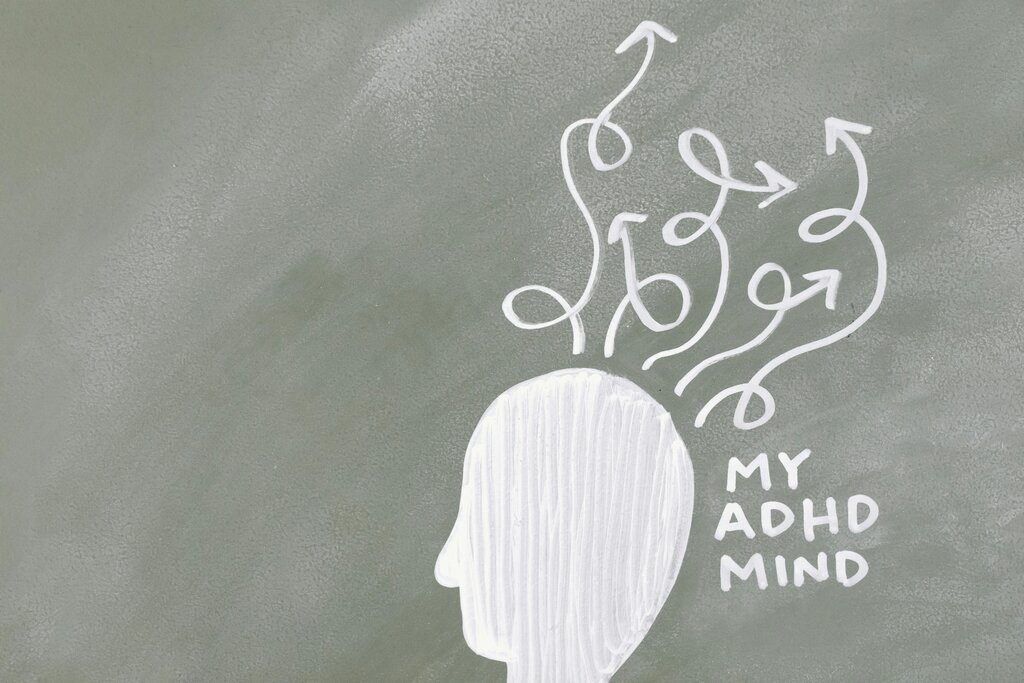
It affects people across all genders, cultures, and socioeconomic backgrounds. While it's often diagnosed in childhood, many people, especially women, are not diagnosed until adulthood.
Impact on Daily Life
Because ADHD affects core executive functions, its impact can be widespread. It can create challenges in many areas of life, from school and work to personal relationships and self-esteem.
Difficulties with focus, organization, time management, and emotional regulation are common. For instance, a person with ADHD might struggle to finish projects, forget appointments, or act impulsively without thinking through the consequences.
It's important to remember that these challenges aren't a reflection of a person's character or effort. They are symptoms of a neurodevelopmental difference.
Why Understanding Matters
Understanding the fundamentals of ADHD is the first step toward managing it effectively. It allows individuals to make sense of their experiences and recognize that they aren't alone. For family, friends, and colleagues, this knowledge fosters empathy and helps them provide better support.
ADHD isn’t a barrier to learning—it’s simply a different way of processing the world.
With the right awareness and strategies, people with ADHD can navigate their challenges, harness their strengths, and lead successful, fulfilling lives.