ADHD Explained
Introduction to ADHD
What is ADHD?
Attention-Deficit/Hyperactivity Disorder, or ADHD, is a neurodevelopmental disorder. This means it’s related to how the brain grows and develops. It's not a character flaw or a failure of willpower; it’s a difference in brain wiring that affects attention and self-control.
ADHD is a neurodevelopmental disorder that affects millions of people worldwide, characterized by difficulties in attention, hyperactivity, and impulsivity.
The core traits of ADHD are inattention, hyperactivity, and impulsivity. Someone might struggle to focus on a task, act without thinking, or find it nearly impossible to sit still. While many people experience these things occasionally, for someone with ADHD, these behaviors are persistent, significant, and interfere with daily life.
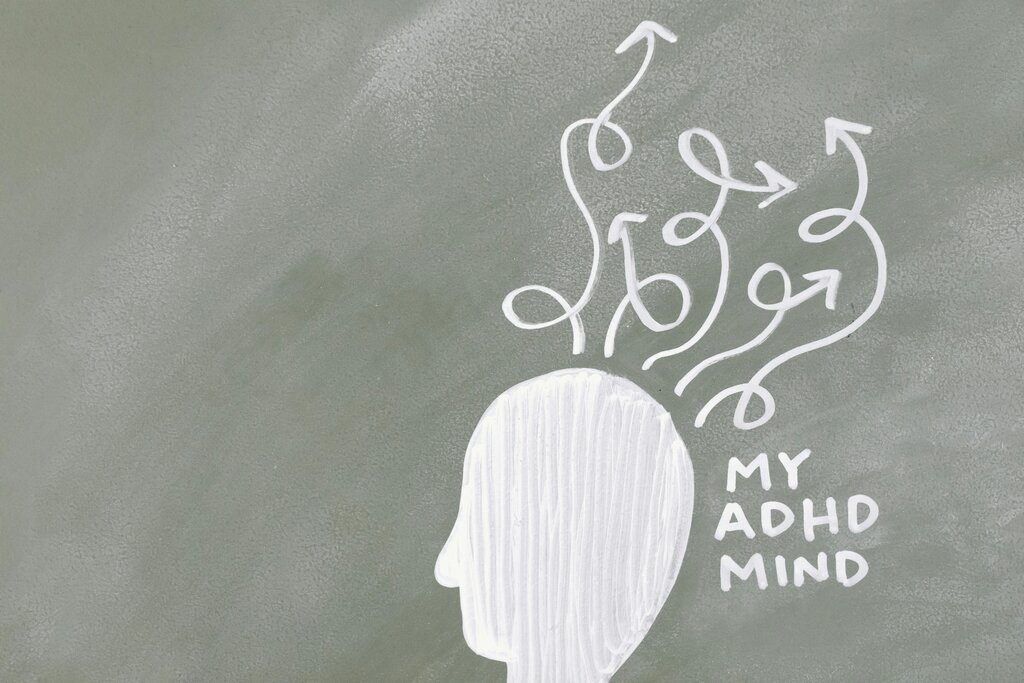
ADHD is one of the most common neurodevelopmental disorders of childhood. It's often first diagnosed in children and was once thought to be a condition people outgrew. We now know this isn't true. Many children with ADHD continue to experience symptoms as adults, though the way those symptoms show up can change over time.
The Three Main Types
ADHD isn't a one-size-fits-all condition. It can look different from person to person. To account for these variations, ADHD is categorized into three primary types, or presentations. A person's type depends on which characteristics are most prominent.
| Presentation Type | Key Characteristics |
|---|---|
| Predominantly Inattentive | Primarily struggles with focus, organization, and finishing tasks. Often described as daydreamy or easily distracted. |
| Predominantly Hyperactive-Impulsive | Primarily struggles with restlessness, fidgeting, and acting on impulse. May talk excessively or interrupt others. |
| Combined Presentation | Shows significant symptoms of both inattention and hyperactivity-impulsivity. This is the most common type. |
It’s important to note that a person's presentation can change. A child who is very hyperactive might become an adult who feels more internally restless than outwardly energetic.
Impact on Daily Life
Because ADHD affects executive functions—the brain's self-management system—its impact can be broad. These functions include skills like planning, organizing, managing time, and regulating emotions. When these are impaired, challenges can arise in many areas.
At school or work, a person with ADHD might struggle to meet deadlines, follow multi-step directions, or stay organized. Socially, they might have difficulty with conversations or maintaining relationships. At home, tasks like paying bills or keeping the house tidy can feel overwhelming.
Understanding that these challenges stem from a neurodevelopmental difference is the first step. It shifts the focus from blaming the individual to recognizing a need for support and different strategies to navigate the world.