ADHD and Rumination Understanding and Coping
Understanding ADHD
What Is ADHD?
Attention-Deficit/Hyperactivity Disorder, or ADHD, is a neurodevelopmental disorder. That means it’s rooted in how the brain develops and functions. It's not a matter of willpower or a character flaw. While often diagnosed in childhood, it's now understood to be a lifelong condition for many people.
Historically considered a childhood disorder, ADHD is now recognized as a lifelong condition affecting both youth and adults.
ADHD isn't a one-size-fits-all diagnosis. It shows up differently in different people, which is why it’s categorized into three main types, or "presentations."
| Presentation Type | Key Characteristics |
|---|---|
| Predominantly Inattentive | Difficulty sustaining attention, organizing tasks, and following through. Often described as daydreamy or easily distracted. |
| Predominantly Hyperactive-Impulsive | Constant fidgeting, excessive talking, and acting without thinking. In adults, this can feel like an internal restlessness. |
| Combined | A mix of symptoms from both the inattentive and hyperactive-impulsive categories are present. |
The Core Symptoms
The three presentations of ADHD are built on a foundation of core symptoms: inattention, hyperactivity, and impulsivity. Let's break them down.
Inattention is often misunderstood. It's not a complete lack of attention, but rather a difficulty in regulating it. Someone with ADHD might struggle to focus on a boring spreadsheet but can hyperfocus for hours on a video game or a passion project.
That’s because the ADHD nervous system is interest-based, rather than importance- or priority-based.
Hyperactivity is the symptom people most commonly associate with ADHD. In children, it might look like constant running, jumping, and an inability to sit still. In adults, this often becomes more internalized. It can manifest as a feeling of inner restlessness, a need to always be busy, fidgeting, or talking excessively.
Impulsivity is about acting on a whim without considering the consequences. This can mean interrupting others, making hasty decisions without thinking them through, or having trouble waiting your turn. It’s a challenge with self-control that stems from how the brain processes inhibition.

How Is ADHD Diagnosed?
Getting an ADHD diagnosis isn't as simple as filling out a quick online quiz. It's a comprehensive process led by a qualified healthcare professional, like a psychiatrist, psychologist, or neurologist.
Accurate diagnosis of ADHD in adults is challenging and requires attention to early development and symptoms of inattention, distractibility, impulsivity and emotional lability.
Clinicians use the criteria outlined in the Diagnostic and Statistical Manual of Mental Disorders (DSM-5). To be diagnosed, a person must show a persistent pattern of inattention and/or hyperactivity-impulsivity that interferes with their functioning or development.
Key criteria include:
- Symptom Count: Adults (age 17 and older) need to have at least five symptoms of inattention or five symptoms of hyperactivity-impulsivity. Children need at least six.
- Duration: Several of these symptoms must have been present before the age of 12.
- Setting: The symptoms must be present in two or more settings, like at home and at work or school.
- Impairment: There must be clear evidence that the symptoms interfere with, or reduce the quality of, social, academic, or occupational functioning.
Assessment often involves detailed interviews, symptom checklists, and gathering information from others who know the person well, such as a parent, partner, or teacher.
A Look Inside the Brain
ADHD is fundamentally about brain wiring and chemistry. It's not about being lazy or undisciplined. Research points to differences in both the structure and function of the brain in people with ADHD.
Several key areas are involved, especially the prefrontal cortex. This is the brain's command center, responsible for executive functions like planning, decision-making, and regulating attention. In ADHD, this area often shows delayed maturation and differences in activity levels. Other important regions include the basal ganglia, which help regulate motor control and reward-seeking behavior, and the cerebellum, which plays a role in timing and coordination.
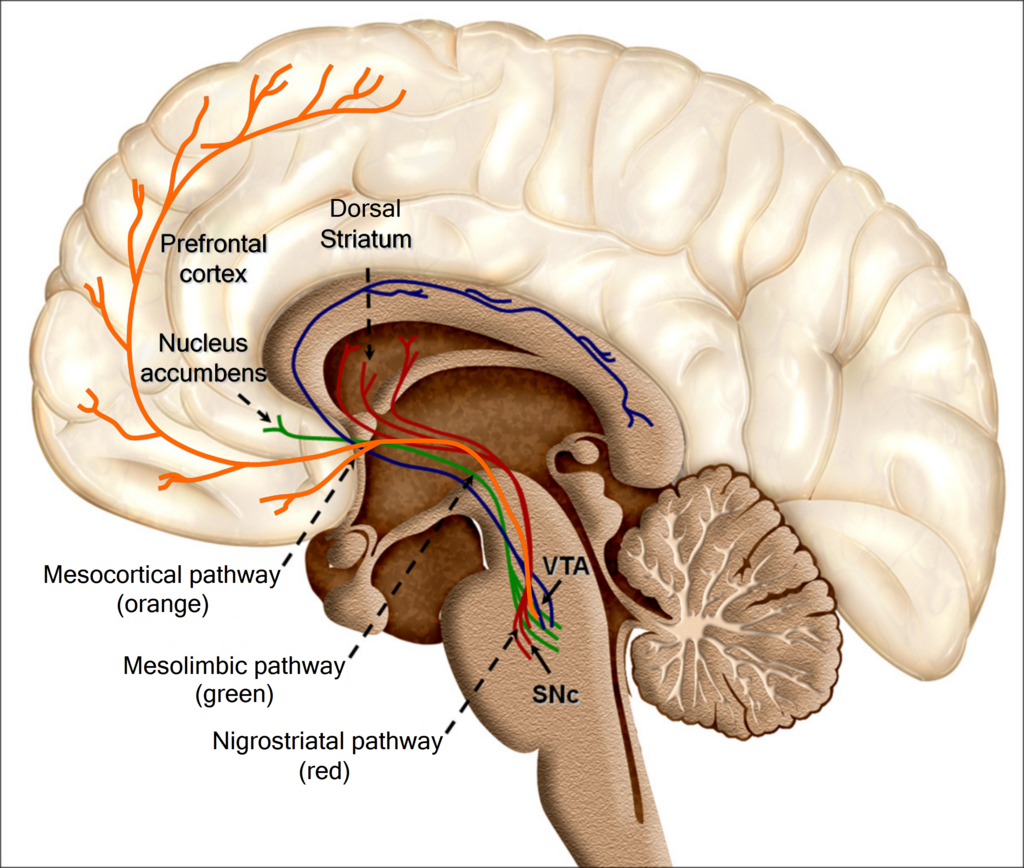
On a chemical level, it's largely about neurotransmitters, the messengers that carry signals between brain cells. Two are particularly important in ADHD: dopamine and norepinephrine. Dopamine is critical for motivation, focus, and feelings of reward. Norepinephrine helps with alertness and attention. In the ADHD brain, the systems that regulate these neurotransmitters don't work as efficiently, which can make it harder to stay engaged with tasks, manage impulses, and regulate focus.