Addition and Subtraction Basics for Young Learners
Counting Basics
What is Counting?
Counting is more than just saying numbers in order. It's about understanding that each number represents a specific amount of something. When a child counts their toys, they are learning a fundamental idea: the last number they say tells them the total number of toys in the group. This is called cardinality.
This connection between a number word, like "three," and a group of three objects is the first big step in understanding math. It's about seeing that numbers aren't just sounds; they are labels for quantities in the real world.
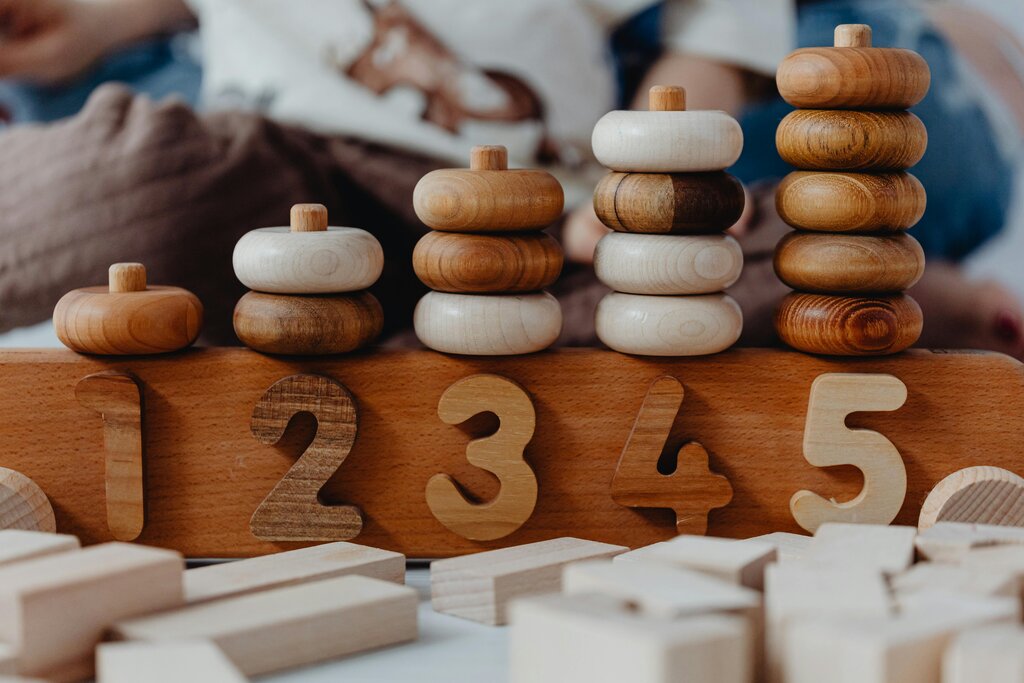
The key is to match one number word to one object at a time. This is called one-to-one correspondence. Pointing to each object while saying its number helps solidify this concept. Start with small groups of objects, just one to five, and build from there as they get more confident.
Making Numbers Real
The best way to learn counting is to make it a part of daily life. You don't need special tools, just the world around you. Count the steps as you walk up the stairs. Count the slices of apple on a plate. How many blue cars do you see on the road?
By weaving counting into everyday activities, you show that numbers are useful and everywhere. This turns learning into a natural and fun process, not a chore.
Take advantage of his interest in numbers by counting anything and everything; teach simple addition and subtraction by using objects, not numerals.
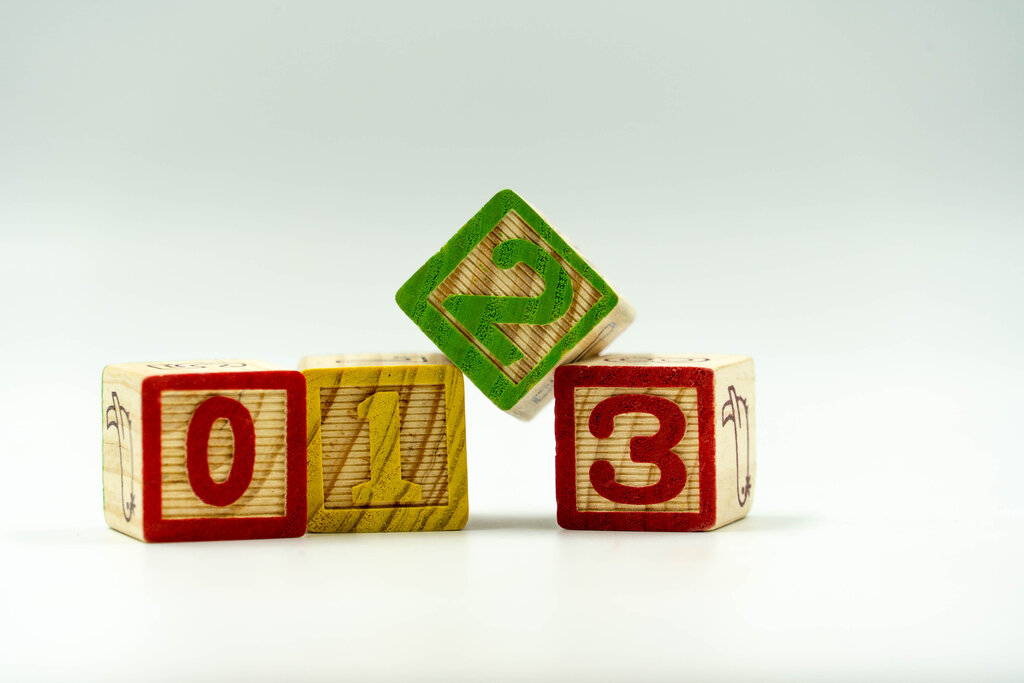
Once a child is comfortable counting objects, you can introduce the written symbols for numbers, or numerals. Show them the symbol '4' and count out four blocks. This helps them connect the spoken word, the quantity, and the written numeral. Wooden blocks, flashcards, or even drawing numbers in sand can make this a hands-on activity.
Playful Practice
Songs and rhymes are powerful tools for memorizing the number sequence. Classics like "Five Little Monkeys Jumping on the Bed" or "One, Two, Buckle My Shoe" make repetition enjoyable. The rhythm and melody help the number order stick in a child's mind.
Simple games also reinforce counting skills. Ask your child to bring you three crayons or to find five red blocks. You can also play board games with dice, which involve counting the dots and moving a game piece that many spaces. These playful interactions build a positive association with math from the very beginning.
Ready to check your understanding? Let's see what you've learned about the basics of counting.
When a child counts a group of five toys and ends on the number 'five', what does the number 'five' represent?
The practice of matching one number word to one object at a time is known as:
By focusing on these foundational skills, you build a strong and confident base for all future math learning.