Adderall Explained
Introduction to Adderall
What is Adderall?
Adderall is a prescription medication that stimulates the central nervous system. It's not a single substance but a combination of four different amphetamine salts. Specifically, it contains equal parts of two pairs of salts: racemic amphetamine sulfate and dextroamphetamine sulfate, and racemic amphetamine saccharate and dextroamphetamine saccharate.
Essentially, it’s a mix of different forms of amphetamine, a potent central nervous system stimulant.
Amphetamine
noun
A synthetic, mood-altering drug that stimulates the central nervous system. It causes effects such as wakefulness, increased focus, and euphoria.
These different salts are metabolized by the body at slightly different rates. The idea behind this combination is to provide a smoother, longer-lasting effect than a single amphetamine salt would on its own.
How It Works in the Brain
To understand how Adderall works, we need to look at neurotransmitters. These are the chemical messengers that allow neurons, or brain cells, to communicate with each other across a tiny gap called a synapse.
Adderall primarily affects two key neurotransmitters: dopamine and norepinephrine. Both play crucial roles in attention, focus, and motivation. Normally, after these messengers are released into the synapse to deliver their signal, they are quickly taken back up into the neuron that released them. This process is called reuptake.
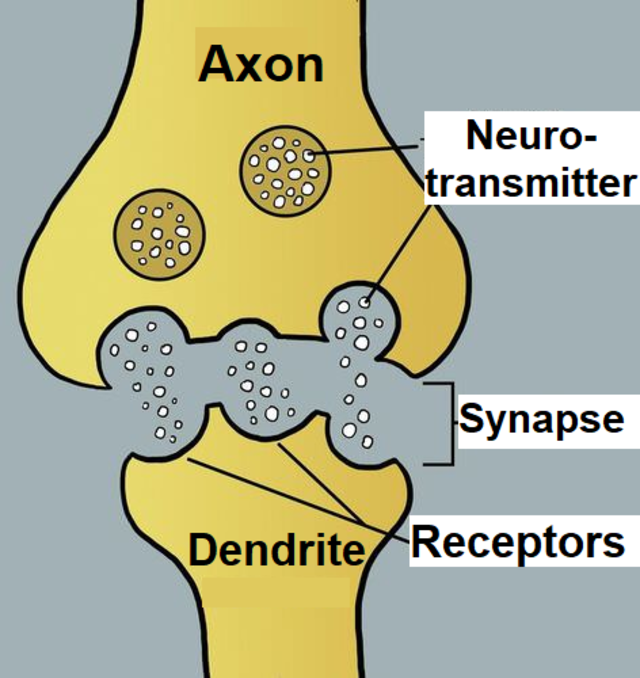
Adderall steps in and blocks this reuptake process. It also pushes more dopamine and norepinephrine out of the neurons. The result is a higher concentration of these neurotransmitters in the synapse for a longer period. This increased signaling helps improve focus and reduce impulsivity and hyperactivity in individuals with ADHD.
A Controlled Substance
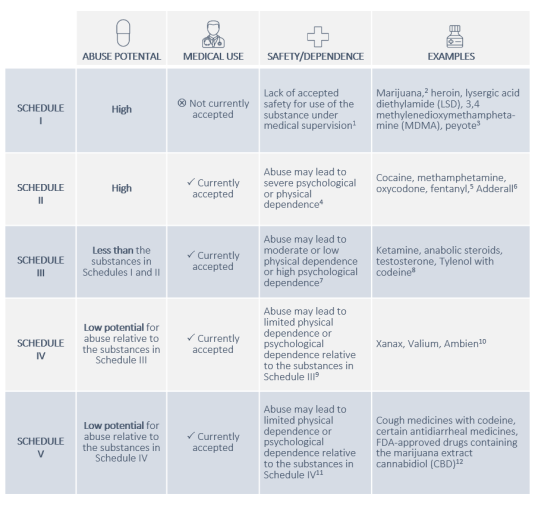
Because of its chemical makeup and its effects on the brain, Adderall is classified as a Schedule II controlled substance by the U.S. Drug Enforcement Administration (DEA). This classification has important implications for how it's prescribed and handled.
A Schedule II classification means the drug has a high potential for abuse, which may lead to severe psychological or physical dependence.
Other drugs in this category include substances like cocaine, methamphetamine, oxycodone, and fentanyl. While these drugs have a recognized medical use, their distribution is tightly regulated to prevent misuse and diversion. For Adderall, this means prescriptions cannot be refilled; a new prescription is required each time.
Understanding Adderall's composition, its mechanism in the brain, and its legal classification are the first steps to appreciating both its therapeutic benefits and its risks.