Adaptive Learning Systems Explained
Introduction to Adaptive Learning
What is Adaptive Learning?
Imagine a personal tutor who knows exactly what you've mastered, where you're struggling, and what you need to learn next. This tutor never gets tired and adjusts every single lesson just for you. That's the core idea behind adaptive learning.
Adaptive learning systems are educational platforms that use technology to create personalized learning paths for each student. Instead of a one-size-fits-all curriculum, these systems analyze a learner's performance in real-time and adjust the content, pace, and difficulty accordingly. If you ace a quiz on fractions, the system might move you on to more complex decimals. If you're having trouble with a concept, it will offer more practice or present the information in a different way.
Adaptive learning is an educational approach that uses technology to customize learning experiences based on individual learners' needs, abilities, and progress.
The goal is to make learning more efficient and effective by meeting each person exactly where they are.
A Quick History
The dream of personalized education isn't new. It existed long before modern computers. In the 1950s, psychologist B.F. Skinner developed "teaching machines." These mechanical devices presented information in small, manageable chunks. Students had to answer a question correctly before they could move on to the next piece of information. This was an early form of programmed instruction, adapting to the learner's pace.
As computers became more common in the 1970s and 80s, these ideas evolved into Intelligent Tutoring Systems (ITS). These were more sophisticated programs that could model a student's knowledge and provide more nuanced feedback and guidance. They were the direct ancestors of today's adaptive learning platforms.
Today, artificial intelligence (AI) has supercharged this field. Modern systems can analyze vast amounts of data about how students learn, identifying patterns and creating highly customized experiences that were impossible just a few decades ago.
Why Personalization Matters
Think of a traditional classroom. The teacher has to aim for the "average" student. This can leave some students feeling bored because the pace is too slow, while others get left behind because it's too fast. One-size-fits-all education struggles to address the unique needs of every learner.
Personalization solves this problem. By tailoring the educational journey, adaptive learning makes the process more engaging. When the material is at the right level of difficulty—not too easy, not too hard—students are more likely to stay motivated and focused. This leads to better learning outcomes, as students can build a solid foundation by mastering concepts before moving on.
It also makes learning more efficient. Students don't have to waste time reviewing topics they already understand. The system intelligently guides them to the areas where they need the most help, optimizing their study time.
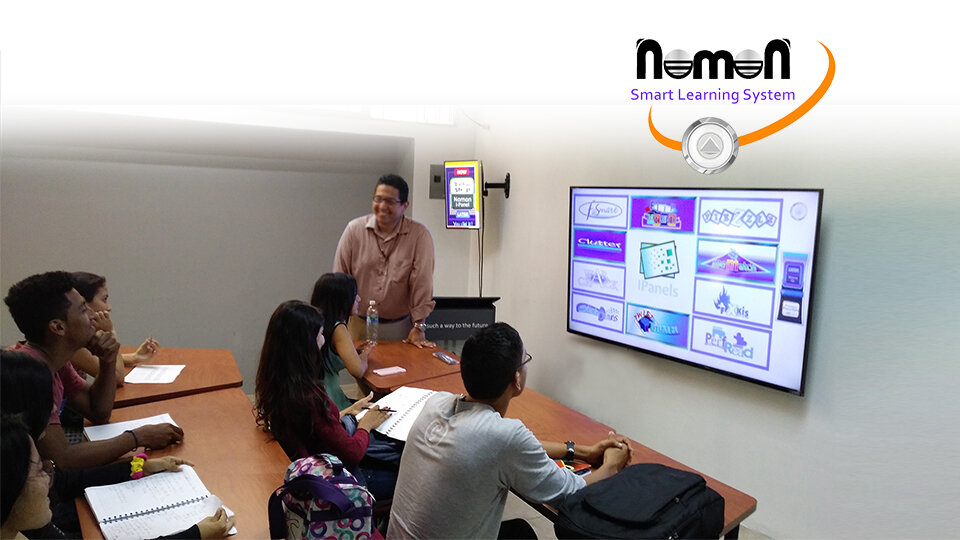
Adaptive learning platforms are used in many different settings today. In K-12 schools, they help teachers provide individualized instruction in large classes. In higher education, they power online courses that cater to students with diverse backgrounds and knowledge levels. Corporations also use them for employee training, ensuring that staff can quickly learn the specific skills they need for their jobs.
From online math programs that help a child master algebra to professional development platforms that upskill an entire workforce, adaptive learning is changing how we approach education.
What is the primary goal of an adaptive learning system?
B.F. Skinner's 'teaching machines' from the 1950s were early precursors to modern adaptive learning.
Ultimately, adaptive learning harnesses technology to bring the benefits of one-on-one tutoring to a massive scale, making a more effective and equitable education possible for everyone.