Adaptive Careers for Your Future
Personal Strengths Inventory
Your Career Blueprint
Before you can build a house, you need a blueprint. The same is true for your career. The first and most critical step is to look inward and understand your own unique design. This isn't just about what you're good at; it's about what you love, what you value, and what you dream of achieving.
A self-assessment process can reveal your personal attributes, including values, skills, personality style, and interests, all of which help you make informed career choices.
This process of self-discovery is deeply personal. It's about creating a comprehensive inventory of your strengths, skills, and aspirations. Think of it as mapping your internal landscape. This map will guide you toward work that feels less like a job and more like a calling.
Tools for Self-Discovery
There are many ways to conduct a self-assessment. Some people prefer structured tools like online questionnaires or career aptitude tests. These can provide a useful starting point by suggesting careers that align with your personality and interests. Others find more value in informal methods like journaling, talking with trusted mentors, or simply making lists.
There is no single right way to do this. The goal is to gather information about yourself from different angles to create a rich, detailed picture. A key part of this process involves honestly reflecting on your abilities and challenges. For example, a physical disability might mean you thrive in a role with a flexible work-from-home policy. An intellectual challenge might mean you excel in jobs that involve structured, repeatable tasks and clear instructions.
Considering your challenges isn't about focusing on limitations. It's about identifying the where you can truly shine. Understanding your needs helps you find an employer and a role that provides the right support for you to be successful. This proactive approach allows you to filter for opportunities that are a good fit from the very beginning.
Here's a simple framework to start building your inventory. Use a notebook or a document and create columns to organise your thoughts.
| Strength/Interest | How It Makes Me Feel | Potential Career Link |
|---|---|---|
| Solving puzzles | Engaged, clever | Software testing, accounting |
| Helping others | Fulfilled, connected | Healthcare support, customer service |
| Organising spaces | Calm, in control | Archiving, warehouse management |
| Working with my hands | Productive, creative | Crafting, repair technician |
From Strengths to Goals
It’s important to distinguish between your strengths, skills, and aspirations. Strengths are your natural talents—things you do effortlessly and well. Skills are abilities you've learned through practice and training. Aspirations are your long-term dreams and ambitions.
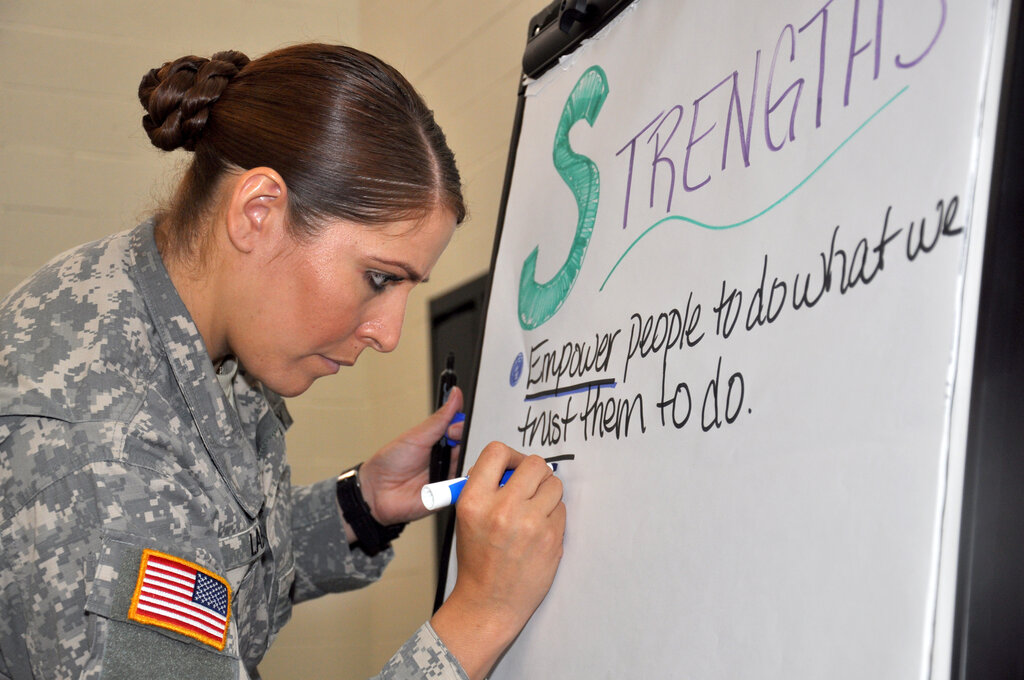
A focuses on what you do best, rather than trying to fix your weaknesses. By building a career around your innate talents, you set yourself up for greater engagement and success. Your challenges are part of your story, but they don't define your potential.
As you identify your strengths, you can begin setting clear, achievable career goals. A good goal is specific and realistic. For example, instead of saying "I want to work with computers," a better goal might be, "I will complete an online certification in data entry within the next six months."
This self-assessment also informs your decision about during a job search. Knowing your needs and the types of support you require helps you understand when and how to have that conversation with a potential employer, turning it into a confident discussion about how you can best contribute to their team.
With a clear inventory of your strengths, interests, and needs, you're ready to start exploring career paths that align with your personal blueprint.
Let's check your understanding of these core concepts.
According to the text, what is the most critical first step in building a career?
What is the key difference between 'strengths' and 'skills'?
This foundational self-knowledge is the most powerful tool you have. It turns the job search from a confusing maze into a guided path.