Acupuncture for Athletic Recovery and Hormones
Acupuncture Neuromodulation Mechanisms
From Qi to Nerve Signals
For centuries, Traditional Chinese Medicine described a vital energy called Qi flowing through the body. While the concept of Qi can seem abstract, modern neuroscience provides a concrete explanation for how acupuncture works. It’s a form of peripheral nerve stimulation. When a needle is inserted into a specific point, it's not targeting a mystical energy channel, but rather a dense area of nerve endings.
Specifically, acupuncture stimulates two types of sensory nerve fibers: A-delta and C-fibers. A-delta fibers are lightly myelinated and transmit signals quickly, producing a sharp, initial sensation. C-fibers are unmyelinated and transmit signals more slowly, creating the dull, aching feeling often associated with a successful treatment. For an endurance athlete, these fibers are constantly sending information to your brain about muscle fatigue, joint position, and pain.
These signals travel up the spinal cord to the brain, specifically to the thalamus and the somatosensory cortex. This is where sensory information is processed. By sending novel, non-painful signals along the same pathways that carry pain messages, acupuncture can effectively close the 'gate' on chronic pain signals from overused muscles and joints. This is the core of the Gate Control Theory of pain.
Thalamus
noun
A large mass of gray matter in the dorsal part of the diencephalon of the brain with several functions such as relaying of sensory signals, including motor signals, to the cerebral cortex, and the regulation of consciousness, sleep, and alertness.
For a runner managing shin splints or a cyclist with lower back pain, this means the constant, dull ache can be dampened. The nervous system is essentially distracted by the new sensory input from the needle, reducing the perception of the chronic pain.
Your Body's Natural Painkillers
The stimulation of A-delta and C-fibers does more than just jam pain signals. It also triggers a powerful chemical response. The signals ascend to the midbrain and pituitary gland, promoting the release of like enkephalins and beta-endorphins. These are your body’s own morphine-like substances.
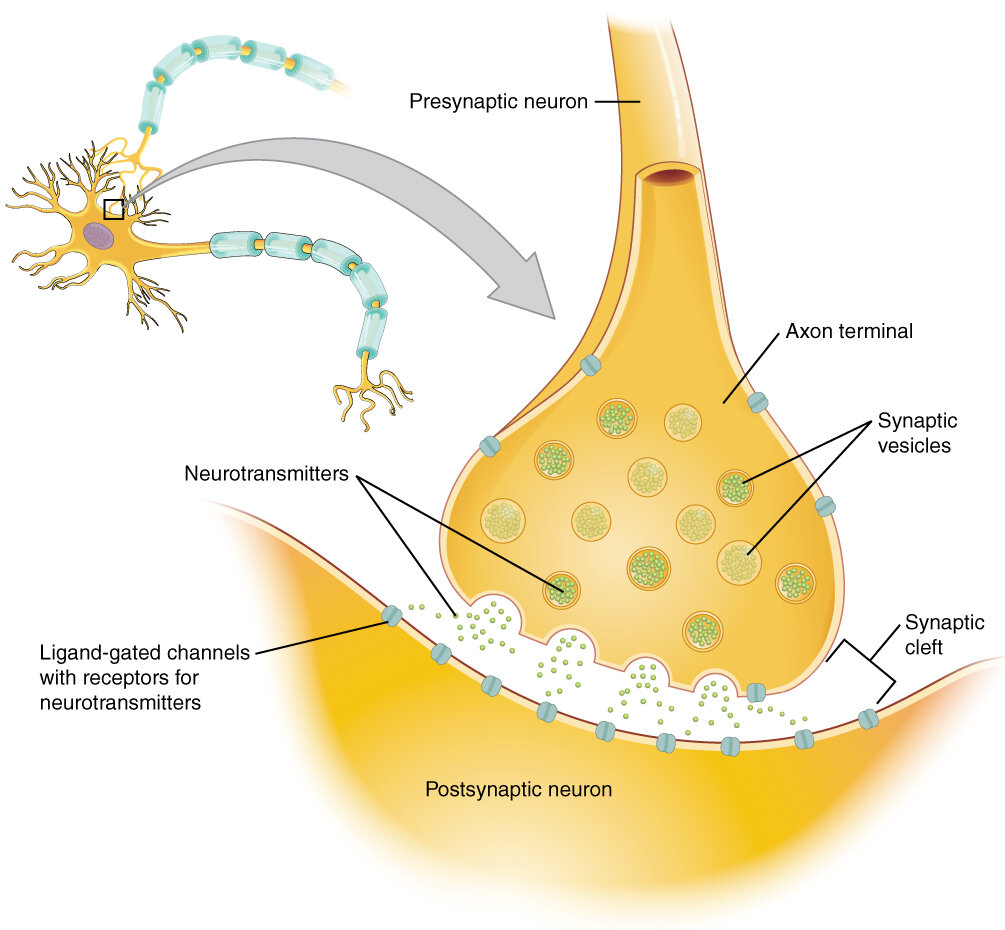
This release creates a systemic analgesic effect, reducing pain perception well beyond the needled area. For an athlete, this means acupuncture can not only address a sore calf but also help lower overall feelings of pain and fatigue after a grueling workout. It’s a way of hijacking the same system that produces a runner's high to accelerate recovery.
The Anti-Inflammatory Reflex
Perhaps most importantly for athletes dealing with the high physiological stress of training, acupuncture can trigger a systemic anti-inflammatory response. This is achieved through the , a neural circuit that connects the vagus nerve to the adrenal glands.
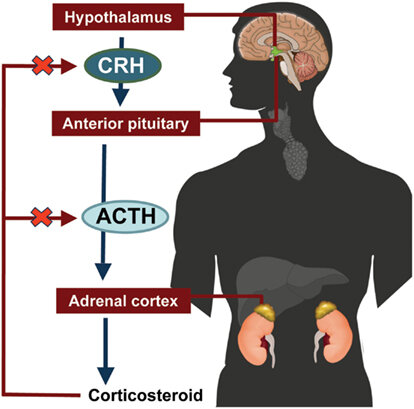
Stimulating certain acupuncture points, most famously (ST36) below the knee, has been shown to activate this pathway. The vagus nerve sends a signal to your adrenal glands, which then release neurotransmitters that suppress the production of inflammatory proteins called cytokines. For a marathoner, managing the chronic inflammation that comes from high-mileage weeks is critical for preventing injury and promoting tissue repair. Acupuncture provides a method to actively down-regulate this inflammation, helping the body recover more efficiently.
So, when we translate the concept of 'Qi' into the language of neuroscience, we see a sophisticated mechanism. Acupuncture isn't just a placebo; it's a targeted intervention that modulates nerve signals, releases powerful pain-relieving chemicals, and actively suppresses systemic inflammation. It's a tool to regulate your body's internal environment to optimize recovery and performance.
Ready to test your knowledge?
From a modern neuroscience perspective, what does the traditional concept of 'Qi' correspond to?
According to the Gate Control Theory, how does acupuncture reduce the perception of chronic pain, like shin splints in a runner?
Understanding these mechanisms allows you to use acupuncture not as a passive treatment, but as an active part of your training and recovery strategy.