Acrylic Painting Essentials
Materials and Tools
Your Painting Toolkit
Getting started with acrylics is exciting because you don't need a lot of gear. But choosing the right tools makes a huge difference in your painting experience. Let's walk through the essentials you'll want to have on hand.
Acrylic paint is one of the most versatile and forgiving mediums for beginners.
Choosing Your Paint
Acrylic paint is essentially pigment suspended in an acrylic polymer binder. It's water-soluble when wet, but dries into a durable, water-resistant film. This versatility is what makes it so popular. When you're at the art store, you'll mainly see two types: heavy body and fluid.
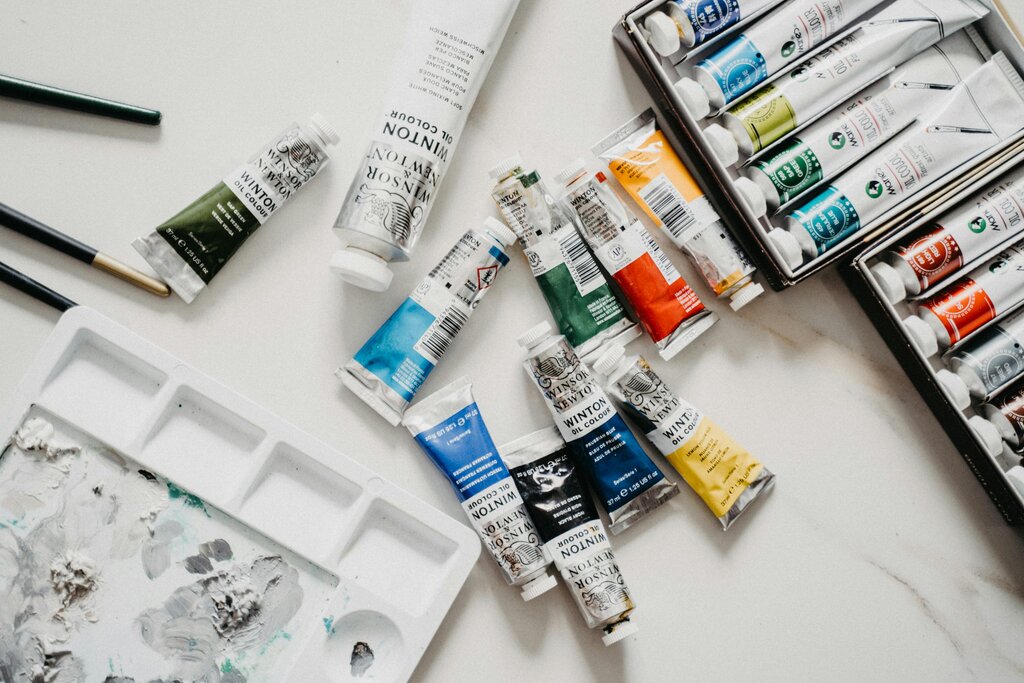
Heavy body acrylics have a thick, buttery consistency, similar to oil paint. They hold their shape well, showing off brushstrokes and texture. If you want to create sculptural effects or use a palette knife, this is the paint for you.
Fluid acrylics are thinner, with a consistency like heavy cream. They're great for smooth, even coverage, detailed work, or glazing. You can also use them for pouring techniques to create abstract patterns.
| Paint Type | Consistency | Best For |
|---|---|---|
| Heavy Body | Thick, Buttery | Texture, impasto, palette knife work |
| Fluid | Thin, Creamy | Smooth blending, detail, pouring, glazing |
Brushes Make the Mark
Your brush is the extension of your hand. Different shapes create different marks, so it's good to have a few basic types. For acrylics, synthetic brushes are often best. They're durable enough to handle the paint and are easier to clean than natural hair brushes.
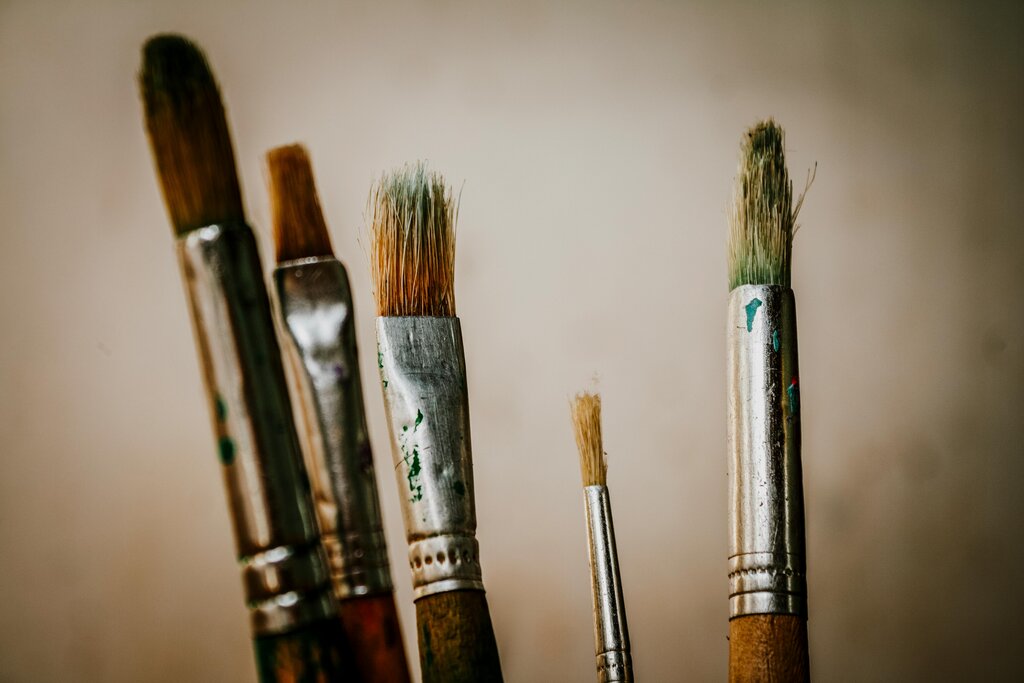
Let's look at the most common shapes.
| Brush | Shape Description | Primary Use |
|---|---|---|
| Flat | Square tip, flat bristles | Broad strokes, filling large areas, sharp edges |
| Round | Pointed tip | Lines, fine details, outlining |
| Filbert | Flat with an oval tip | Blending, creating soft, rounded edges |
| Fan | Thin layer of splayed bristles | Blending colors, creating textures (e.g., grass) |
Surfaces and Prep
You can paint with acrylics on almost anything. The most common surfaces are canvas, wood panels, and special paper made for acrylics. Stretched canvas is a classic choice, offering a nice springy surface to work on. Wood panels are rigid and smooth, which is great for detailed work. Acrylic paper is an affordable option for practice.
No matter what surface you choose, you should prime it first. This is where gesso comes in.
Gesso
noun
A white paint-like substance used to prepare a surface for painting. It creates a smooth, slightly absorbent ground that helps the paint adhere better and appear more vibrant.
Applying a layer or two of gesso ensures your paint goes on smoothly and prevents the surface from soaking it up, which can dull the colors. It gives you a much better foundation to build your painting on.
Finishing Your Kit
A few more tools will complete your setup. You'll need a palette to mix your colors on. This can be a traditional wooden one, a plastic tray with wells, a disposable paper palette, or even just a ceramic plate. The key is having a non-absorbent surface for mixing.
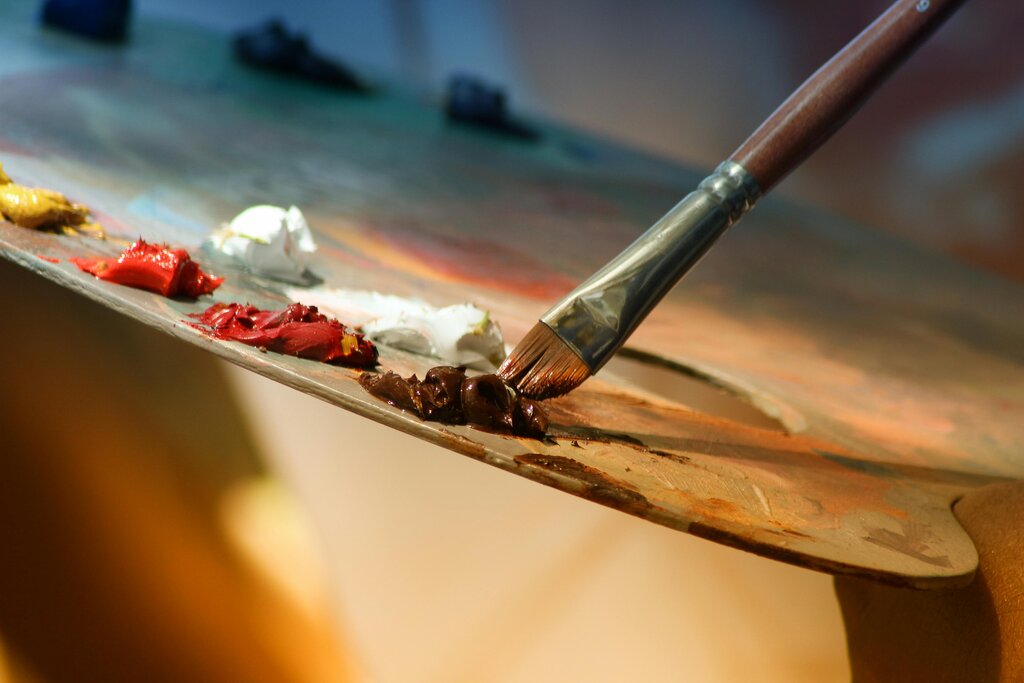
A palette knife is a surprisingly versatile tool. It's not just for mixing paint on your palette; you can also use it to apply thick strokes of color directly onto your canvas, creating bold, textured effects.
Finally, you'll need at least one container for water. Many artists use two: one for rinsing brushes between colors and a second one with clean water for thinning paints. This helps keep your colors from getting muddy.
An artist wants to create a painting with very smooth, even coverage and fine details. Which type of acrylic paint would be most suitable for this purpose?
What is the primary function of gesso in acrylic painting?