Acoustic Guitar Essentials
Guitar Anatomy
The Anatomy of an Acoustic Guitar
Before you can play a guitar, it helps to know your way around it. An acoustic guitar might seem like a simple wooden box with strings, but each part plays a specific role in creating its sound. Let's break down the instrument piece by piece.
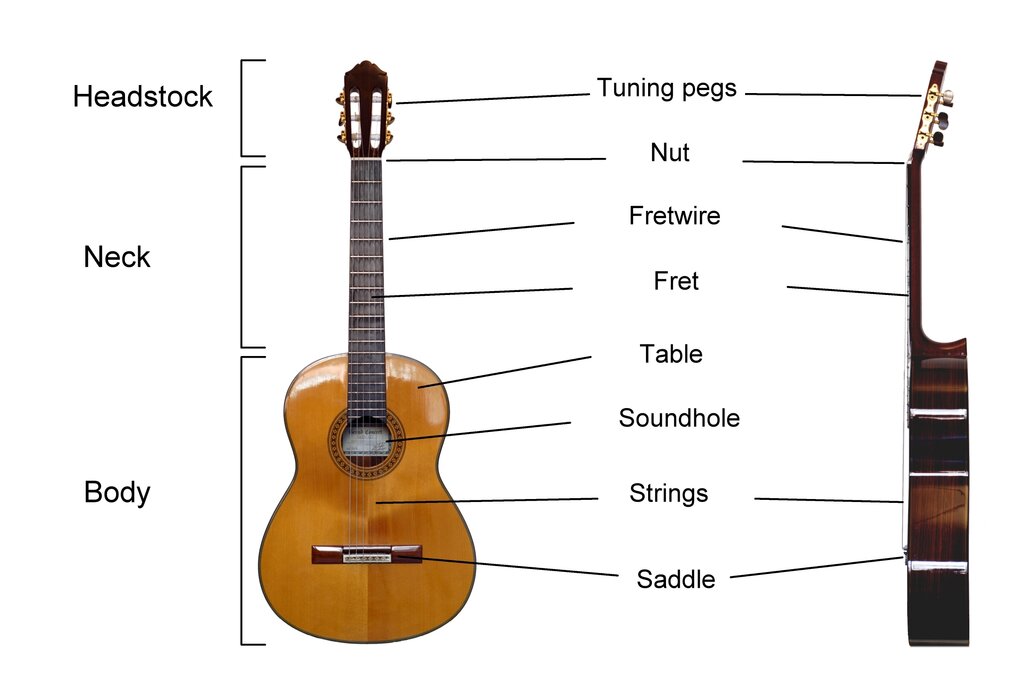
The guitar is made of three main sections: the body, the neck, and the headstock. Think of them as the lungs, the arms, and the brain of the instrument. Each section has smaller components that work together to turn a simple string pluck into music.
The Body: Where Sound Comes to Life
The body is the largest part of the guitar and acts as its sound chamber. It's made of a top, a back, and sides. The top, also called the soundboard, is the most important piece for the guitar's tone. When you pluck a string, its vibrations travel down to the body and make the soundboard vibrate. This vibration amplifies the sound and projects it outward.
Different woods used for the top, like spruce or cedar, give the guitar distinct tonal qualities. Spruce is bright and loud, while cedar is warmer and softer.
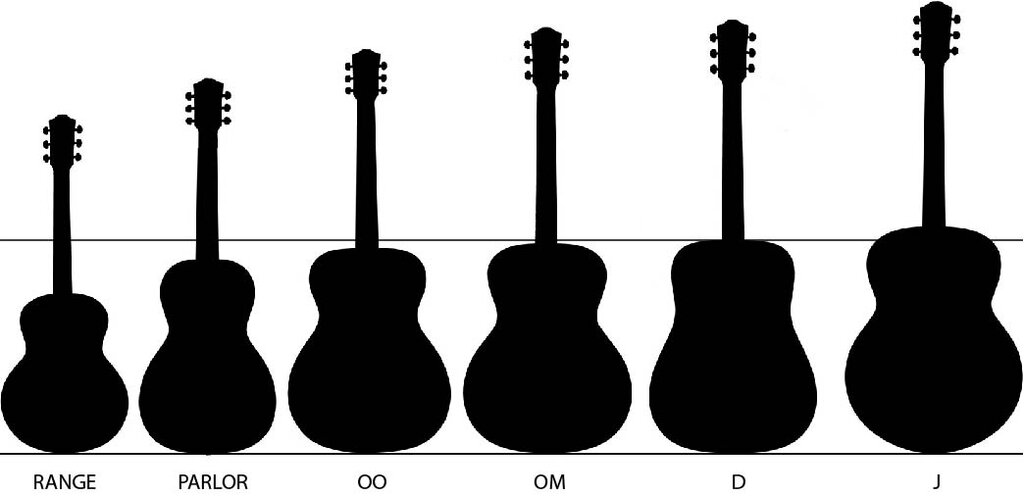
Guitar bodies come in various shapes and sizes, from the small Parlor to the large Jumbo or Dreadnought. A bigger body generally produces a louder, deeper sound with more bass, while smaller bodies are often quieter and have a more balanced or mid-range tone.
In the center of the top is the soundhole, which helps project the sound out of the guitar's body. The decorative inlay around the soundhole is called the rosette. While it's mostly for looks, it also adds a bit of structural support.

The Neck and Headstock
Extending from the body is the long, thin neck. The front of the neck has a flat piece of wood called the fretboard or fingerboard. This is where you press the strings down to play different notes. Embedded in the fretboard are thin metal strips called frets. Each fret represents one semitone, the smallest interval in Western music.

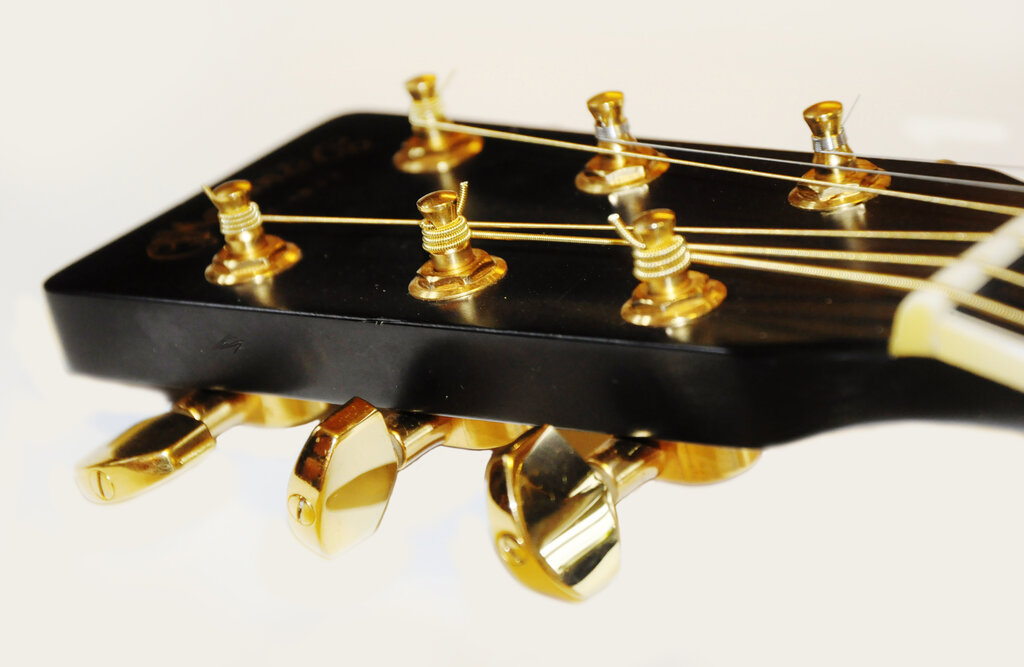
At the very top of the neck is the headstock. Its main job is to hold the tuning pegs, also known as tuners or machine heads. When you turn a tuning peg, it tightens or loosens a string, changing its tension and raising or lowering its pitch. This is how you tune the guitar.
The Bridge, Saddle, and Strings
Back on the body, you'll find the bridge. This small piece of wood is glued to the top of the guitar and holds the strings in place at the body end. Sitting in a slot on the bridge is a thin strip of hard material, usually bone or plastic, called the saddle. The strings pass over the saddle, which is the final point of contact that transfers their vibrations into the soundboard.

Finally, we have the strings themselves. Acoustic guitars typically have six steel or nylon strings. They come in different thicknesses, known as gauges. Thicker, or heavier, gauge strings are louder and have more bass, but they are also harder to press down. Lighter gauge strings are easier to play and have a brighter, more delicate sound. The choice often depends on the player's style and preference.
Nylon strings are common on classical and flamenco guitars, while steel strings are used on most other types of modern acoustics.
Understanding these parts and how they work together is the first step on your journey with the guitar. Each component contributes to the instrument's unique voice.