Acoustic Ceilings Content Strategy for Manufacturers
Understanding Acoustic Ceilings
The Problem with Echoes
Sound travels in waves. When these waves hit a hard surface, like a concrete wall or a hardwood floor, they bounce right back. This is called reflection. In a room with many hard surfaces, sound waves bounce around wildly, creating a jumble of echoes known as reverberation.
A little reverberation can make music sound rich and full, but too much makes it hard to understand speech. It creates a noisy, distracting environment where conversations get lost and concentration is difficult. The core issue is that the sound energy isn't going away; it's just ricocheting around the space.
Instead of reflecting sound, we need to absorb it. This is where acoustic ceilings come in. They are designed not to block sound, but to soak it up, stopping the waves from bouncing around and creating a quieter, more pleasant space.
How Ceilings Absorb Sound
Acoustic ceiling tiles work by trapping sound energy. Most are made from soft, porous materials like fiberglass or mineral fiber. When sound waves hit the tile, they enter the tiny pockets and channels within the material. As the wave travels through these spaces, the energy is converted into a minuscule amount of heat through friction, effectively removing it from the room.
Think of it like throwing a tennis ball against a brick wall versus throwing it into a large, soft hedge. The ball bounces off the wall with most of its energy intact. The hedge, however, swallows the ball, its leaves and branches absorbing the impact until the ball comes to a stop.
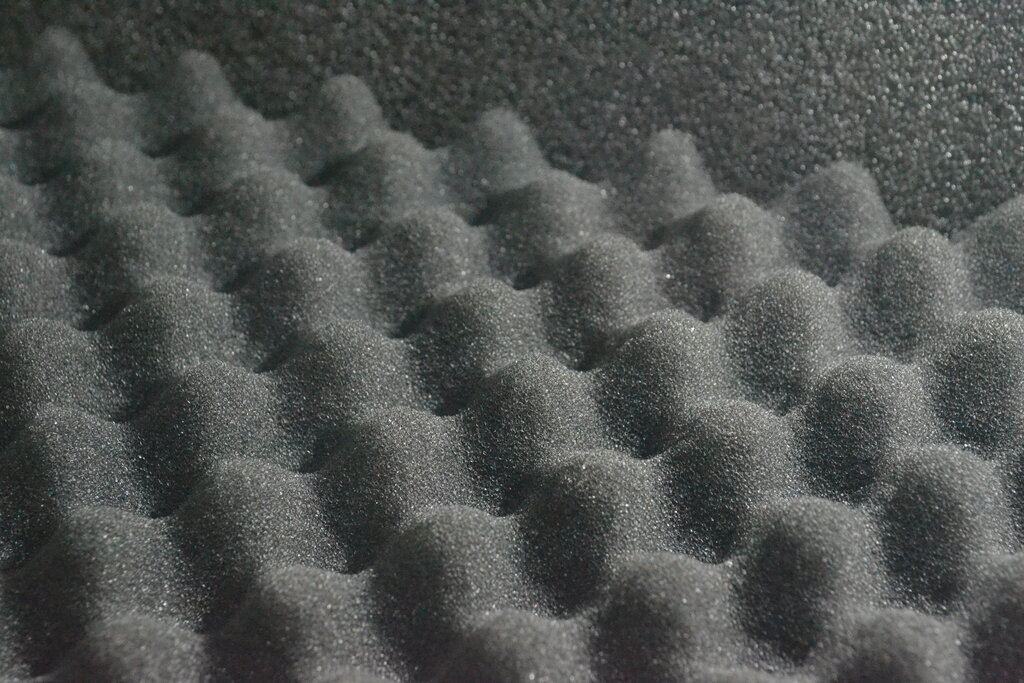
The effectiveness of a material at absorbing sound is measured by its Noise Reduction Coefficient, or NRC.
Noise Reduction Coefficient (NRC)
noun
A rating from 0 to 1 that indicates how much sound a material absorbs. An NRC of 0 means the material reflects all sound, while an NRC of 1 means it absorbs all sound.
A typical drywall ceiling has an NRC of around 0.05, meaning it absorbs only 5% of the sound that hits it. A standard acoustic ceiling tile might have an NRC of 0.55 to 0.70, absorbing 55% to 70% of the sound. High-performance tiles can reach an NRC of 0.95 or higher.
Types and Applications
Acoustic ceilings are not a one-size-fits-all solution. The most common type is the suspended or "drop" ceiling, where tiles are set into a metal grid. This system is popular because it's cost-effective and provides easy access to pipes, ducts, and wiring hidden in the space above the grid, known as the plenum.
However, there are many other options. Direct-mount tiles can be glued or screwed directly to an existing ceiling. Baffles and clouds are panels that hang vertically or horizontally from the ceiling, ideal for large, open spaces with high ceilings where a full drop ceiling isn't practical.
Acoustics plays a critical role in the functionality of a multi-purpose hall.
Materials have also evolved beyond standard fiber tiles. Some modern systems, like Shanko's QuietMetal tiles, use perforated metal with a sound-absorbent backing. This combines a durable, high-end look with effective noise control, offering both aesthetic appeal and functionality.
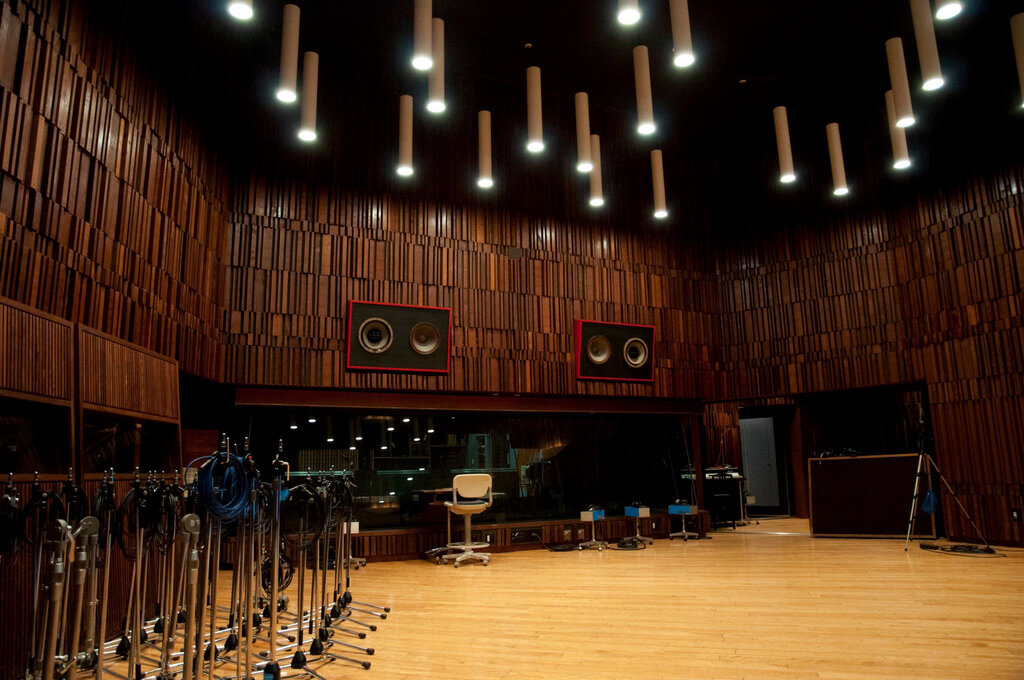
The right choice depends entirely on the space.
| Application | Common Problem | Recommended Solution |
|---|---|---|
| Open Office | Multiple conversations, lack of privacy | High-NRC drop ceiling, acoustic baffles over collaboration areas |
| Classroom | Teacher's voice needs to be clear | Ceiling tiles with good speech intelligibility ratings |
| Restaurant | Diners' chatter, kitchen noise | Aesthetically pleasing tiles or clouds that absorb mid-range frequencies |
| Home Theater | Echoes that muddle movie audio | Dark-colored, high-performance tiles to absorb sound and reduce light reflection |
| Gymnasium | Extreme reverberation from hard surfaces | Durable, impact-resistant baffles or wall panels |
Ultimately, an acoustic ceiling is a tool for shaping the sound of a room. By absorbing unwanted noise and controlling reverberation, it can transform a chaotic environment into a comfortable, functional, and productive space.