ACL Injury Prevention for Soccer
Knee Mechanics
The Anatomy of a High-Risk Cut
The critical moment for a soccer player often isn't the shot on goal, but the sharp cut or sudden stop that creates the opening. It's in these split-second movements that the knee is most vulnerable. The most common culprit in non-contact ACL injuries is a movement pattern called dynamic knee valgus—a fancy term for the knee collapsing inward during an action like landing from a jump or changing direction.
When the knee falls into this valgus position, it generates immense tension and on the Anterior Cruciate Ligament (ACL). The ACL is a crucial stabilizer deep inside your knee, but it's designed to resist forward-and-backward and rotational forces, not the sideways shearing that happens when the knee collapses inward. It's like trying to bend a hinge sideways; it's simply not built for that stress.
High-Risk Habits
This dangerous knee collapse doesn't happen in a vacuum. It's often the result of two common movement habits that show up under pressure.
First is landing with low knee flexion, or landing with stiff legs. When you absorb impact with bent knees, your quadriceps, hamstrings, and glutes act like shock absorbers. Landing with straighter legs bypasses these powerful muscles and sends the force directly into the bone and ligament structures of the knee, making a valgus collapse more likely.
Second is excessive hip adduction during deceleration. This is when the thigh moves inward toward the body's midline as you plant your foot. It's often driven by weak hip abductor muscles (the ones on the outside of your hips). When these muscles aren't strong enough to keep the pelvis stable, the thigh drifts inward, pulling the knee along with it into that risky valgus position.
The inward collapse of the knee is often due to weakness in the muscles on the outside of the hip, specifically the hip abductors (like the gluteus medius).
Your Protective Shield
The good news is that these are modifiable risk factors. You can train your body to avoid these positions through improved —the communication system between your brain and your muscles. It’s about making safe movement patterns so automatic that they hold up even when you're fatigued and reacting instinctively in a game.
The most effective way to practice this is by focusing on the "joint-stacking" principle. This is a simple but powerful mental cue.
When you land, squat, or cut, consciously try to keep your hip, knee, and ankle aligned directly over your second toe.
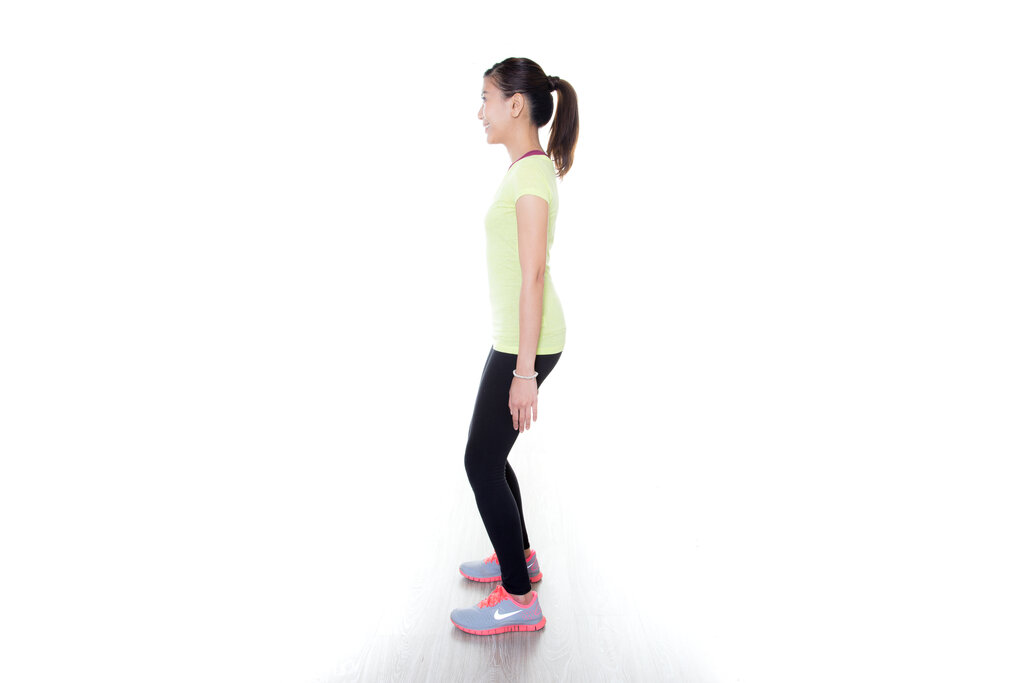
This simple cue prevents your knee from diving inward. It forces your glutes and hip muscles to activate, providing the external stability that protects the internal structures like the ACL. By repeatedly practicing movements with this alignment cue, you retrain your reflexes. The goal is to make good mechanics your default, so you don't have to think about it during the chaos of a match. You just move correctly.
What is the term for the inward collapse of the knee during movements like landing or cutting, a key risk factor for ACL injuries?
According to the text, the ACL is most vulnerable to injury from which type of force?
Mastering these mechanics is a proactive step toward a long and healthy career on the field. By understanding the 'why' behind the injury, you can take control and train smarter.