Achieving Healthy Longevity
Introduction to Aging Science
What is Aging?
Aging isn't just about birthdays. From a biological perspective, it's a gradual decline in the body's functions. Think of it as a slow accumulation of wear and tear at the cellular level. This process happens to nearly all living things, but the speed and effects vary dramatically. A mouse lives for a couple of years, while a Greenland shark can live for centuries. This variability tells us that aging is an active biological process, not just a passive result of time passing.
At the heart of this process is a phenomenon called cellular senescence.
Senescence
noun
The process by which a cell ages and permanently stops dividing but does not die.
When cells become damaged or old, they can enter this senescent state as a safety measure to stop them from becoming cancerous. In our youth, the immune system is good at clearing these cells away. But as we age, our immune system becomes less efficient, and these senescent cells start to build up.
They don't just sit there quietly. Senescent cells release a cocktail of inflammatory chemicals that can harm neighboring healthy cells and tissues. This chronic, low-grade inflammation contributes to many of the conditions we associate with getting older, from stiff joints to cognitive decline.
Why Do We Age?
If aging is a biological process, what drives it? Scientists don't have a single, unified answer. Instead, they have several major theories that explain different facets of aging. These theories aren't mutually exclusive; it's likely that a combination of these factors is at play.
Think of the theories of aging as different suspects in a complex investigation. Each one has a motive and a method, and they probably worked together.
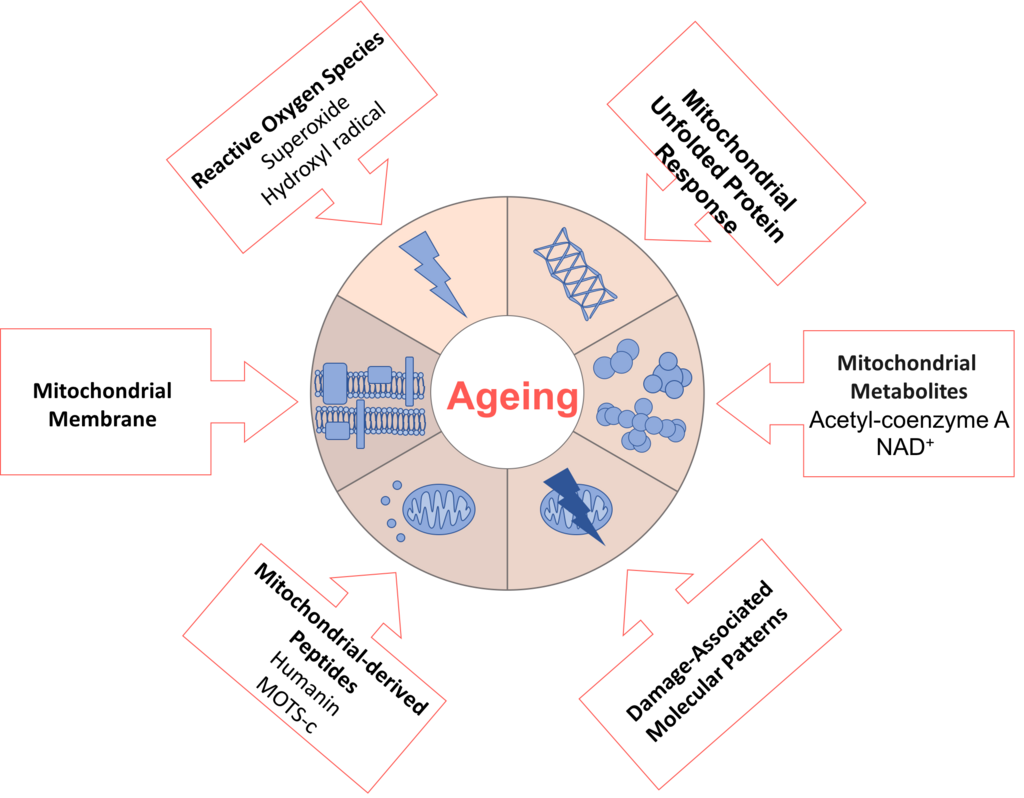
One of the earliest and most influential ideas is the Free Radical Theory of Aging. Our cells constantly convert food into energy through a process called metabolism. A natural byproduct of this process is the creation of highly reactive molecules called free radicals. These molecules are unstable because they have an unpaired electron, and they zoom around the cell, stealing electrons from other molecules to stabilize themselves.
This act of theft damages important cellular components like proteins, fats, and DNA. Our bodies have a defense system of antioxidants to neutralize free radicals, but some damage always slips through. Over a lifetime, this steady, cumulative damage contributes to the aging process.
This leads directly to another major concept: the DNA Damage Theory of Aging. Our DNA is the blueprint for everything our cells do. It's constantly under attack, not just from free radicals, but also from environmental factors like UV radiation and simple errors that occur when cells copy their DNA to divide.
Fortunately, our cells have remarkable repair mechanisms that constantly patrol our DNA, fixing mistakes. But these systems are not perfect. As we get older, the rate of DNA damage can outpace the rate of repair. These accumulated errors can disrupt normal cell function, lead to senescence, or trigger cell death, all of which contribute to the physical signs of aging.
A third perspective, the Disposable Soma Theory, approaches aging from an evolutionary standpoint. The theory proposes that organisms have a limited amount of energy that must be divided between two main tasks: reproduction and maintenance (or repair) of the body, which it calls the "soma."
From an evolutionary perspective, the top priority is passing on genes to the next generation. Therefore, nature favors investing energy in reproduction, even at the expense of perfect long-term body maintenance. The body is "disposable" in the sense that it only needs to last long enough for the organism to reproduce successfully. After that, the gradual accumulation of damage and errors is an acceptable trade-off.
This theory helps explain why different species have such different lifespans. A mouse, which reproduces quickly and has many predators, invests its energy in rapid reproduction, not in building a body that lasts for decades.
The System-Wide Impact
The cellular changes driven by these processes don't happen in isolation. They have cascading effects throughout the entire body. The accumulation of senescent cells contributes to systemic inflammation. Damaged DNA in stem cells can impair the body's ability to regenerate tissues, from skin and bone to the immune system itself. This is why healing slows down as we get older.
The decline in function is gradual but widespread. Organs become less efficient, communication between systems can falter, and our ability to respond to stress diminishes. This increasing fragility is a hallmark of aging.
Ready to test your knowledge of the science of aging?
What is the primary role of cellular senescence in younger, healthy individuals?
According to the Free Radical Theory of Aging, what is the main source of the free radicals that cause cellular damage?
Understanding these fundamental processes provides a critical foundation. It shifts the view of aging from an inevitable countdown to a complex biological phenomenon that science is actively working to understand.