Achieve Zero Inbox
Understanding Email Overload
The Unseen Weight of Your Inbox
An overflowing email inbox is more than just a digital nuisance. It's a constant, low-grade source of stress. Email overload happens when the volume and frequency of messages become too much to handle, leaving you feeling overwhelmed and unable to keep up. It's that feeling of dread when you see the unread count tick up, knowing that each message demands a piece of your attention.
The average professional receives over 120 emails per day. Many of these are newsletters, notifications, or messages where you're simply copied for awareness. Sifting through this digital noise to find what truly matters is a significant and often underestimated part of modern work.
More Than Just a Messy Inbox
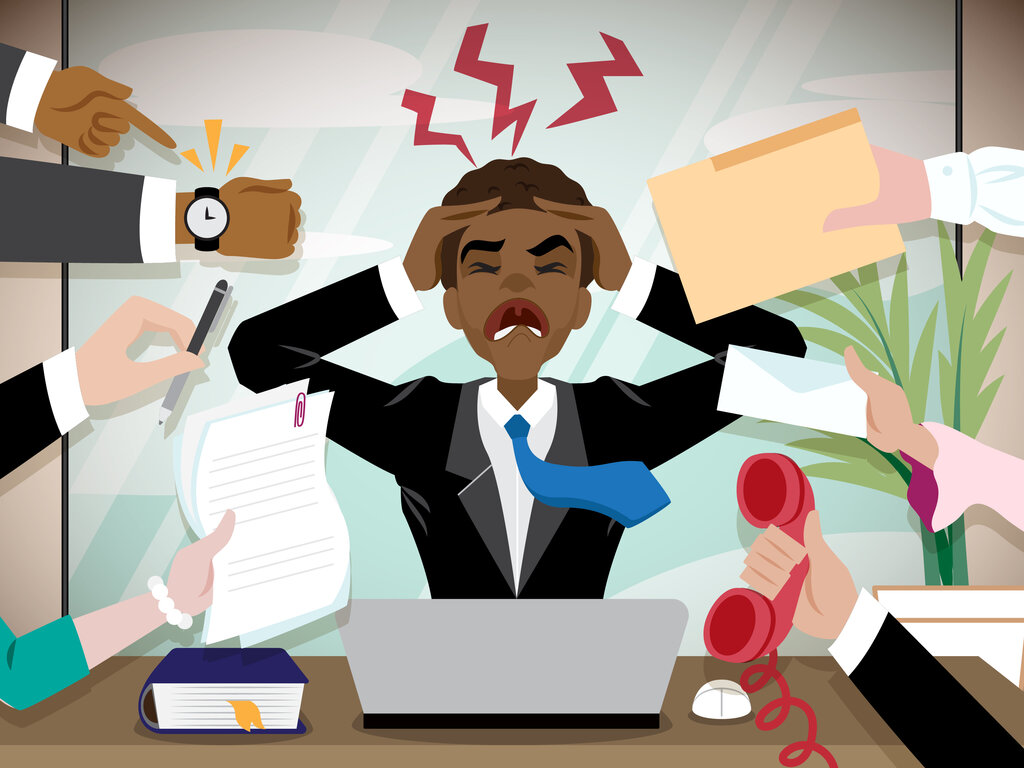
The constant ping of new emails has real consequences for our minds and our work. Psychologically, a cluttered inbox contributes to anxiety and decision fatigue. Every unread email is a tiny, unresolved task, and a mountain of them can feel like a huge weight on your mental to-do list. This creates a state of continuous partial attention, where you're never fully focused on the task at hand.
This directly impacts productivity. Each time you switch from your work to check an email, it takes time and mental energy to refocus. This context switching is a productivity killer. Important messages get buried, deadlines are missed, and strategic thinking is replaced by reactive fire-fighting. Instead of controlling your day, your inbox starts controlling you.
Every time you switch tasks to check email, it can take over 20 minutes to fully regain your concentration on the original task.
How Did We Get Here?
Several factors contribute to email overload. The sheer volume is the most obvious cause. We're subscribed to countless newsletters, receive endless automated notifications, and are often included in group emails that aren't directly relevant to our work.

Our own habits play a role, too. Many of us use email as a catch-all to-do list or a file storage system, which it was never designed to be. Vague subject lines and long, rambling email chains also add to the confusion.
Finally, workplace culture often sets an expectation for immediate responses. This pressure to be constantly available turns the inbox into a relentless treadmill, rewarding quick reactions over thoughtful, focused work.
Now that you understand the problem, let's check your knowledge.
What is the primary psychological impact of email overload described in the text?
According to the text, what is a primary way email overload harms productivity?
Recognizing the causes and effects of email overload is the first step toward taking back control of your attention and your workday.