Achieve Zero Inbox Mastery
Understanding Email Overload
The Unseen Weight of Your Inbox
Have you ever opened your email and felt a wave of exhaustion before you even read a single message? That feeling of being perpetually behind, buried under a digital mountain of messages, has a name: email overload. It’s the state where the volume and frequency of email demand more of your time and attention than you can manage effectively.
This isn't just a feeling; it's a widespread reality. The average office worker receives over 120 emails per day. That’s one new message every four minutes in a typical eight-hour workday. Each one represents a potential task, a request for information, or simply a distraction pulling you away from what you were trying to do.
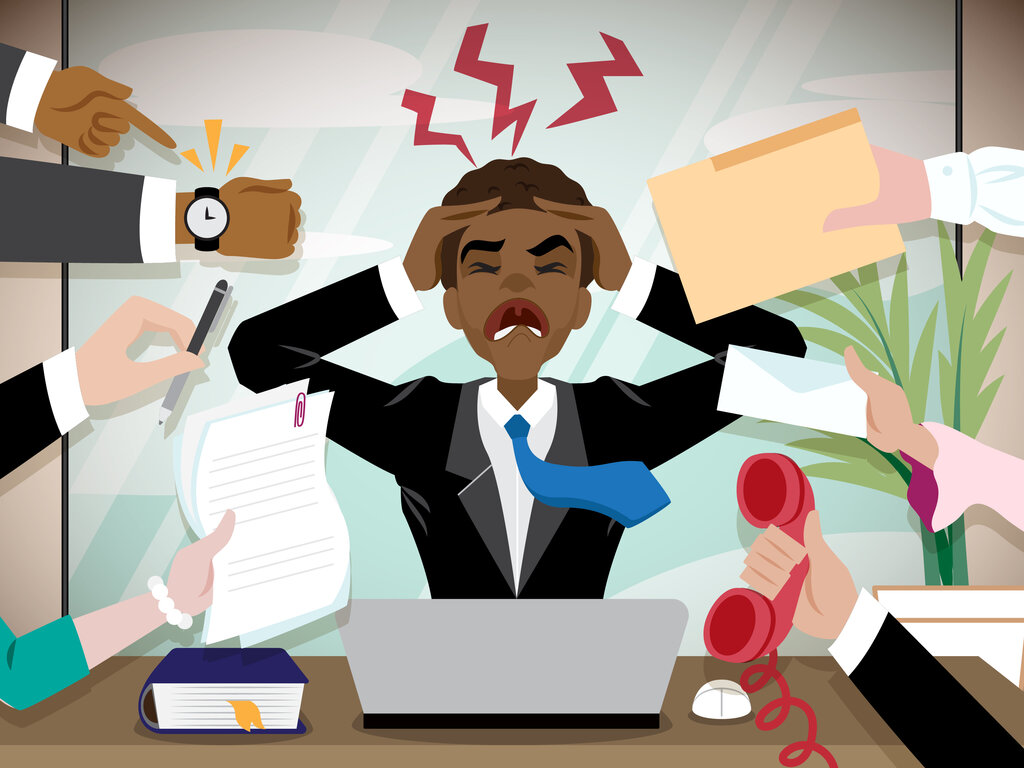
More Than Just Clutter
Email overload does more than just clutter your inbox. It chips away at your productivity. Every time you switch from a task to check an email, your brain has to re-focus. This context switching costs time and mental energy. A quick glance at your inbox can derail your train of thought for several minutes, turning a focused work session into a series of fragmented, inefficient moments.
The mental health impact is just as significant. An overflowing inbox can be a constant source of stress, creating a nagging feeling that you're always forgetting something important. This pressure to be constantly available and responsive contributes to anxiety and can be a major factor in workplace burnout. The inbox never sleeps, which can make it feel like you can never truly switch off from work.
An overstuffed email inbox can cause a lot of stress, and if our unread emails continue to pile up, the anxiety will, too.
Why Email Is So Hard to Manage
Several common challenges make managing email a difficult task for almost everyone. Understanding them is the first step toward finding a solution.
The sheer volume is the most obvious problem, made worse by unnecessary CC's and endless "reply all" chains. Compounding this is a culture of urgency, where many people expect an immediate response, turning every new email into an interruption. Finally, our inboxes are a messy mix of critical action items, newsletters, notifications, and spam, and many of us lack a clear system for telling them apart and dealing with them.
Acknowledging these challenges is the first step. By understanding what makes email so overwhelming, you can begin to build a healthier, more intentional relationship with your inbox.