Achieve Zero Inbox
Understanding Email Overload
The Constant Flood
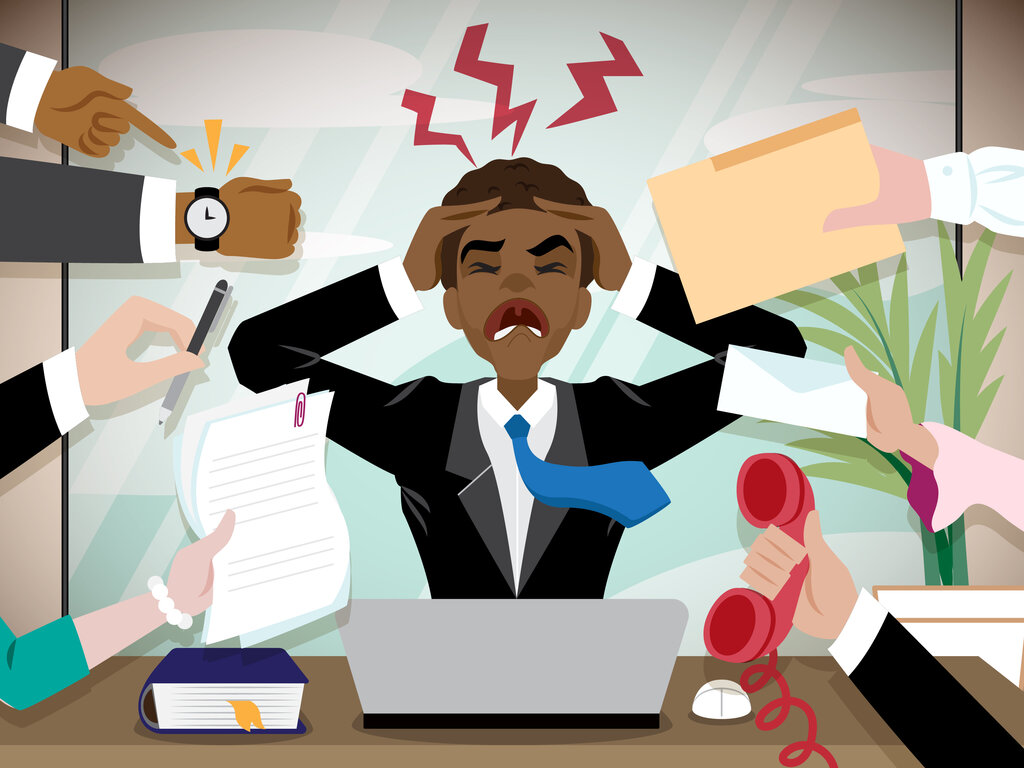
Your inbox is more than just a digital mailbox. For many of us, it’s a constant source of pressure and a major cause of stress. That feeling of being swamped, of knowing dozens or even hundreds of unread messages are waiting for you, has a name: email overload.
Email Overload
noun
A state where an individual is overwhelmed by the high volume of email they receive, leading to stress and reduced productivity.
It’s a modern workplace problem. The average office worker can receive over 120 emails a day. Each one is a potential distraction, a new task, or a piece of information you need to process. When the flow is relentless, it feels like trying to drink from a fire hose.
Why Inboxes Explode
Email overload doesn't happen by accident. It’s the result of several workplace habits and the nature of digital communication itself. Think about your own inbox. How many of the messages truly require your immediate attention? The causes are often a mix of the following:
| Cause | Description |
|---|---|
| CC & Reply All Culture | Being copied on emails that don't directly concern you, or getting stuck in long, unnecessary group conversations. |
| Constant Notifications | Every ping and pop-up is an interruption, pulling your focus away from important work for something that can likely wait. |
| Mixed Messages | Using email for everything: urgent requests, project management updates, quick questions, and casual chats. |
| Unclear Communication | Vague subject lines or long, rambling emails force you to spend extra time just figuring out what the sender wants. |
There's also the unspoken expectation of being constantly available. This pressure to respond quickly turns the inbox into a reactive environment, where we spend our day putting out small fires instead of focusing on our main priorities.
The Hidden Costs
Email overload isn't just an annoyance; it has a real impact on our work and well-being. The first casualty is productivity. Every time you switch from a task to check an email, you lose momentum. This is called context switching, and the mental effort to refocus can take several minutes. Do this dozens of times a day, and you lose hours of productive time.
When your inbox is overflowing, important messages get buried. This can lead to missed deadlines, lost opportunities, and miscommunication with your team.
Beyond productivity, there's a significant mental health toll. A constantly full inbox can create a persistent, low-grade anxiety. It’s a digital representation of a never-ending to-do list that you can never quite conquer.
An overstuffed email inbox can cause a lot of stress, and if our unread emails continue to pile up, the anxiety will, too.
This cycle of distraction and pressure is a recipe for burnout. Recognizing the signs of email overload is the first step toward reclaiming your focus and reducing work-related stress. The goal isn't just to have a cleaner inbox, but to create a more intentional and less reactive way of working.