Achieve Zero Inbox
Understanding Email Overload
The Constant interruption
Think of your inbox as a doorway. Every time a new email arrives, someone is knocking. Some knocks are important—a message from your boss, a critical update on a project. Many are not. But each knock, important or not, pulls your attention away from what you were doing.
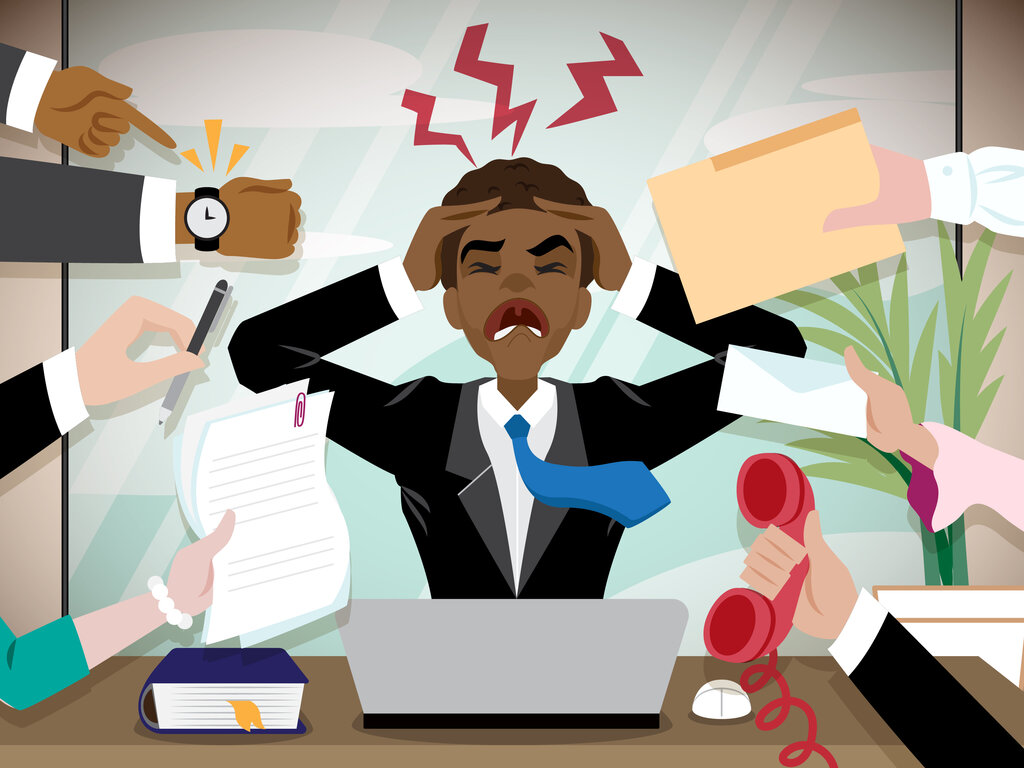
Email overload is the feeling of being overwhelmed by the sheer volume of messages you receive. It’s the stress that comes from knowing there’s a never-ending stream of requests, questions, and information demanding your attention. This isn't just about having a messy inbox; it's about the psychological weight of that constant digital chatter.
A Problem of Numbers
The scale of the email problem is bigger than most people realize. The numbers paint a clear picture of why so many of us feel buried in our inboxes.
| Statistic | What It Means for You |
|---|---|
| 120+ emails per day | The average office worker receives over 120 messages daily. That's a new interruption every 4 minutes. |
| 28% of the work week | More than a quarter of the workday is spent reading, writing, and sorting emails. That's over 11 hours a week. |
| 23 minutes to refocus | After being interrupted by an email, it takes an average of 23 minutes to get back to your original task at the same level of concentration. |
When you add it all up, the time lost to managing email and recovering from its interruptions is staggering. It's not just the five minutes spent reading a message; it's the half-hour of lost focus that follows.
The Real Cost
This constant switching between tasks has a serious impact on our ability to do meaningful work. When you're always checking your inbox, you're never giving your full attention to anything. This leads to shallower thinking, more mistakes, and a drop in the quality of your work. Your brain can't easily jump from a deep, focused task to a quick email response and back again without a cost.
The mental health consequences are just as significant. The pressure to be constantly available and responsive creates a low-grade, persistent stress. Your inbox becomes a source of anxiety, a to-do list that you can never complete. This feeling of being perpetually behind contributes directly to burnout.
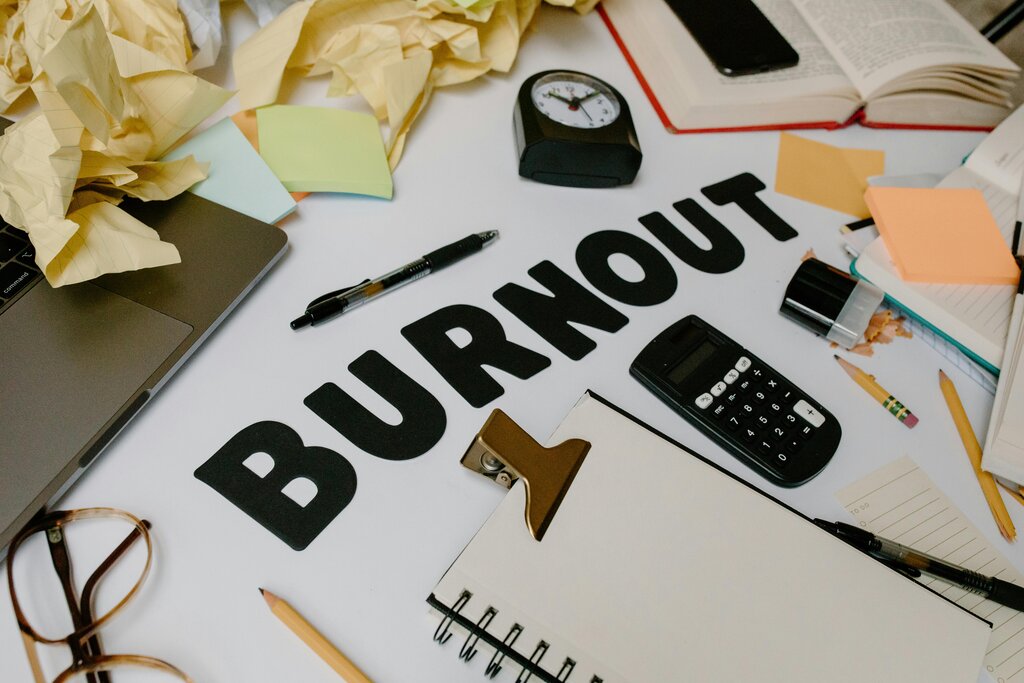
Email overload isn't just a time management issue. It's an attention and energy management problem.
Before we can fix the problem, we have to understand its true nature. Recognizing email overload as a major drain on both productivity and well-being is the first step.