Achieve Zero Inbox
Understanding Email Overload
The Weight of Your Inbox
Your email inbox probably feels less like a mailbox and more like a firehose. You're not alone. The average office worker receives over 120 emails every day. This constant stream of messages, notifications, and requests is known as email overload.
Email Overload
noun
A state where the volume of email messages received exceeds an individual's capacity to manage them effectively, leading to stress, decreased productivity, and a feeling of being overwhelmed.
It’s the digital equivalent of having a pile of paperwork on your desk that grows faster than you can sort it. Each new email represents a decision to be made, a task to be completed, or information to be processed. When the pile gets too high, it becomes impossible to handle.
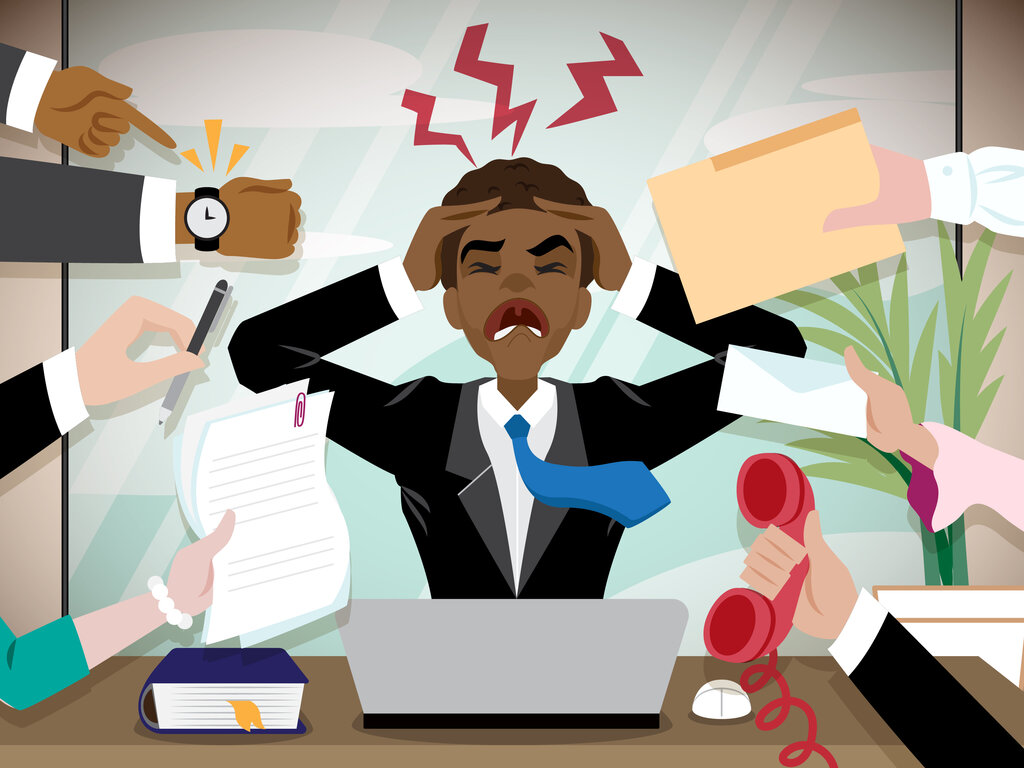
More Than Just a Mess
An overflowing inbox isn't just a digital organization problem; it has real psychological and productivity costs. The constant alerts create a state of perpetual interruption. Every time a notification pops up, your focus is broken. This is called context switching, and it forces your brain to stop what it's doing and re-orient itself to a new task, even if just for a moment.
This constant toggling between tasks is mentally draining. It reduces your ability to do deep, focused work and increases the likelihood of making mistakes. Over time, the pressure to read and respond to every message can lead to anxiety and decision fatigue. The inbox starts to feel less like a tool for communication and more like a source of stress.
An overstuffed email inbox can cause a lot of stress, and if our unread emails continue to pile up, the anxiety will, too.
The result is a frustrating paradox: the tool designed to make us more efficient is actually slowing us down and stressing us out.

How Did We Get Here?
Email overload isn't a personal failing. It's often the result of workplace culture and digital habits that have evolved over time. Several common factors contribute to the problem.
| Cause | How It Contributes to Overload |
|---|---|
| "Reply All" Culture | Conversations that only involve a few people are broadcast to many, filling inboxes with irrelevant messages. |
| Unnecessary CC'ing | People are included on emails "just in case," adding to their reading load without a clear need for their input. |
| Automated Notifications | Alerts from apps, project management tools, and social media often get routed to email, creating constant noise. |
| Newsletters & Promotions | Subscriptions, both wanted and unwanted, add to the daily volume of non-urgent messages to sort through. |
| Poor Task Management | Using email as a to-do list or for complex project discussions makes it hard to track progress and find information. |
Each of these factors adds another layer to the digital pile. Understanding where the overload comes from is the first step toward reclaiming control of your inbox and your attention.