Achieve Zero Inbox
Understanding Email Overload
The Never-Ending Inbox
Email overload isn't just about receiving a lot of messages. It's the feeling that your inbox is a task list that never gets shorter, one that other people can add to at any time. This constant stream of requests, updates, and information can quickly become overwhelming, making it difficult to focus on what truly matters.
Studies show the average professional sends and receives over 120 emails per day and spends roughly 28% of their workweek managing their inbox. That's more than a full day of work lost to email each week.
This constant digital deluge has real psychological consequences. Every notification can trigger a small jolt of anxiety or a feeling of obligation. The pressure to read, process, and respond immediately creates a state of continuous partial attention, where we are never fully engaged in any single task. Our brains are forced to switch contexts constantly, moving from a deep-focus project to a quick email response and back again. This switching isn't free; it drains mental energy and makes it harder to do high-quality, thoughtful work.
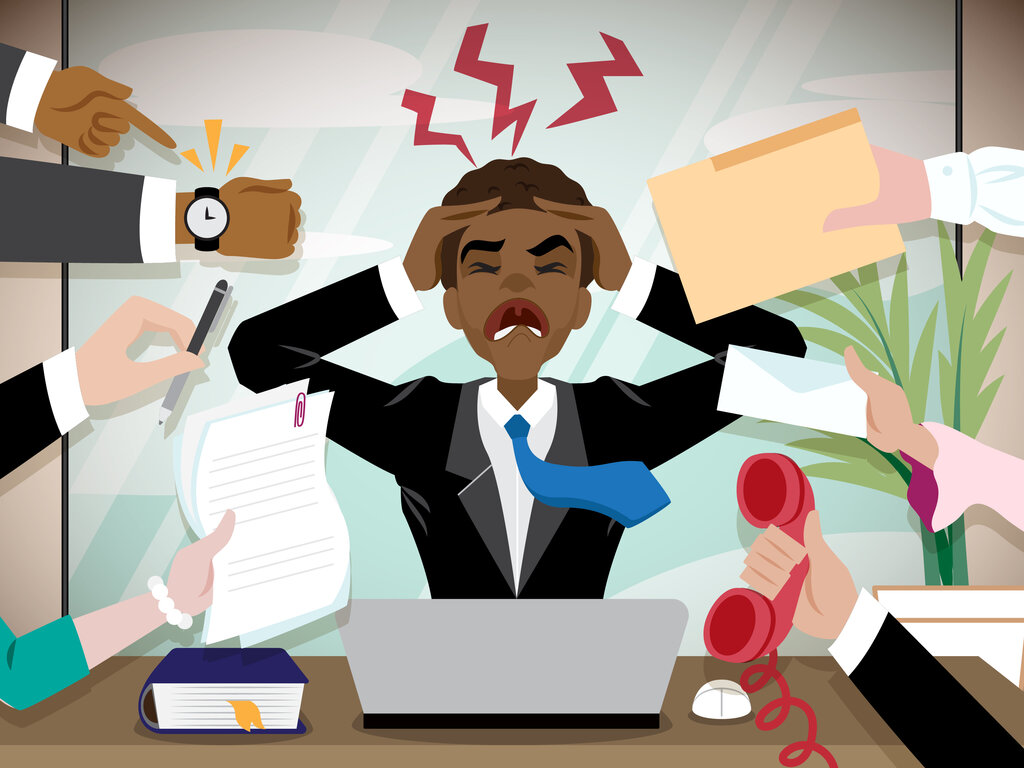
Over time, this cycle can lead to significant stress and even burnout. The line between work and personal time blurs when the inbox is always accessible on our phones, creating an "always-on" culture where we feel we can never truly disconnect. The pile of unread messages can feel like a visible representation of all the work we haven't done, leading to feelings of guilt and inadequacy.
Common Inbox Hurdles
Managing email is challenging because every message demands a decision. Do I need to reply to this? Is it urgent? Can I delete it? Do I need to save it for later? This decision fatigue adds up. Several common hurdles make this process even harder:
| Challenge | Description |
|---|---|
| Mixed Messages | Your inbox is a jumble of critical action items, casual FYI's, automated notifications, newsletters, and spam, all competing for your attention. |
| The CC Trap | You're often copied on long email chains that aren't directly relevant, but you feel obligated to read them in case you miss something important. |
| Urgency vs. Importance | Email makes everything seem urgent. A minor request can look just as pressing as a critical deadline, making it difficult to prioritize your actual work. |
| Fear of Missing Out | The worry that an important opportunity or piece of information is buried in your inbox drives the compulsive need to check it constantly. |
These challenges create a reactive workflow where our day is dictated by the inbox rather than our own priorities. Instead of proactively managing our tasks, we end up responding to the demands of others. Understanding these specific problems is the first step toward reclaiming control.