Achieve Zero Inbox
Understanding Email Overload
The Constant Interruption
The average office worker receives over 120 emails per day. Let that sink in. If you worked an eight-hour day without any breaks, that’s a new message hitting your inbox every four minutes. But you do take breaks, attend meetings, and have other tasks. The reality is often a much more frantic pace.
This constant stream of communication isn't just a minor annoyance; it’s a major productivity killer. Studies show that knowledge workers spend around 28% of their workweek managing email. That's more than a full day, every single week, dedicated to reading, writing, and organizing messages. The real cost, however, isn't just the time spent in the inbox. It's the time lost to distraction. Each email notification pulls your focus away from important tasks. It can take over 20 minutes to fully regain concentration after being interrupted, which means a single
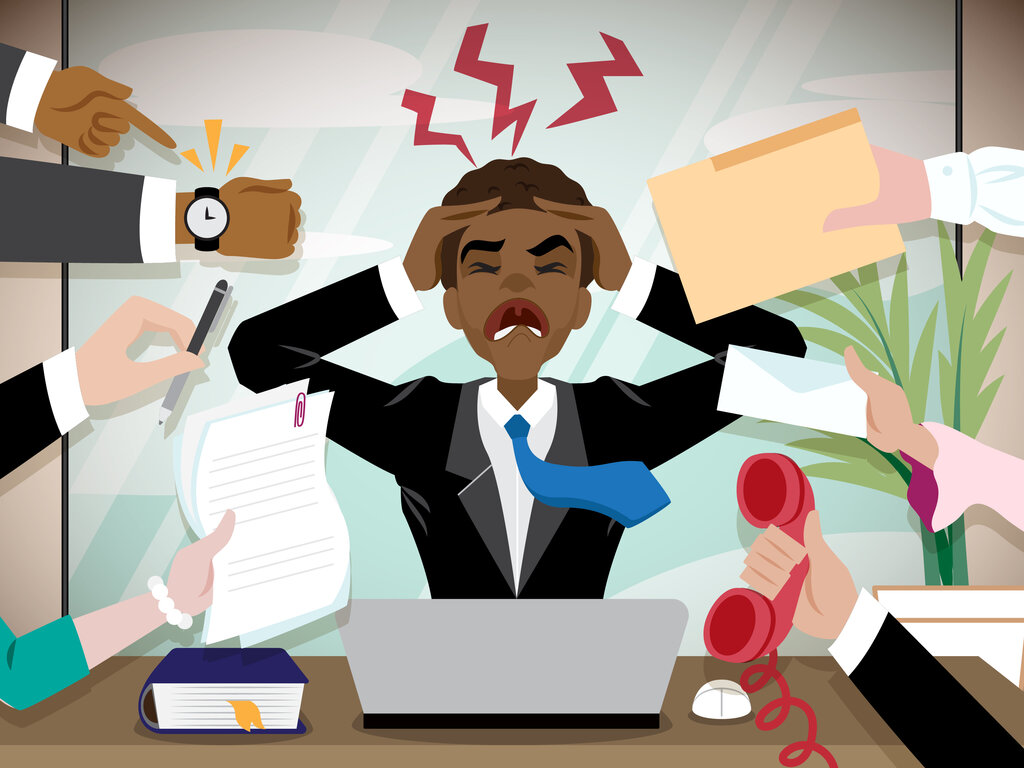
Each email notification pulls your focus away from important tasks. It can take over 20 minutes to fully regain concentration after being interrupted. A single glance at a new message can derail an entire morning of deep, focused work.
The Compulsion to Check
If email is so disruptive, why do we check it so compulsively? The answer lies in our brain's wiring. Our inbox acts like a slot machine, operating on a principle called a 'variable reward schedule.' Most emails are routine, but every once in a while, we get an exciting one: a message with good news, a compliment from a boss, or an interesting opportunity.
We don't know when that rewarding email will arrive, so we keep checking, pulling the lever over and over. This unpredictable pattern is highly addictive and creates a low-grade, persistent anxiety. We experience FOMO, the fear of missing out on something important if we don’t check immediately. There's also social pressure. We feel obligated to respond quickly to show that we're diligent and on top of our work.
Your inbox isn't just a communication tool. It’s a slot machine designed to keep you checking for that next, unpredictable reward.
The Hidden Costs of Clutter
A cluttered inbox leads to a cluttered mind. Each unread message represents an unanswered question, an unresolved task, or a pending decision. This creates a significant mental load. The constant background noise of a full inbox contributes to decision fatigue, making it harder to tackle complex problems that require your full attention.
This mental weight leads to real stress and anxiety. The pressure to stay on top of an ever-growing pile of messages can feel relentless, contributing to burnout. Many people mistakenly believe that being constantly connected and responsive is the hallmark of a good employee. In reality, this approach often leads to shallower work and diminished well-being. True productivity isn't about reacting the fastest; it's about controlling your focus.

Another common misconception is that multitasking—like keeping an eye on your email while working on a report—is efficient. The opposite is true. Constantly switching between tasks is mentally exhausting and leads to more errors and lower-quality work. Effective work requires dedicated blocks of uninterrupted time.
According to the text, what percentage of their workweek do knowledge workers typically spend managing email?
The compulsive need to check email is compared to a slot machine because it operates on a principle called a ____.
Understanding the problem is the first step toward solving it. By recognizing how email overload affects our focus and mental state, we can begin to look for better strategies to manage it.