Achieve Your Potential with Scientific Goal Setting
Introduction to Goal-Setting Theories
Goals That Actually Work
Most goals fail. It’s not because of a lack of desire, but a lack of structure. A vague wish like "I want to get in shape" is easy to set and even easier to abandon. The path from where you are to where you want to be is fuzzy. To succeed, a goal needs clarity and a plan.
Researchers have studied what separates effective goals from simple daydreams. They found that the most successful goals follow a clear framework. One of the most tested and reliable frameworks is the SMART criteria.
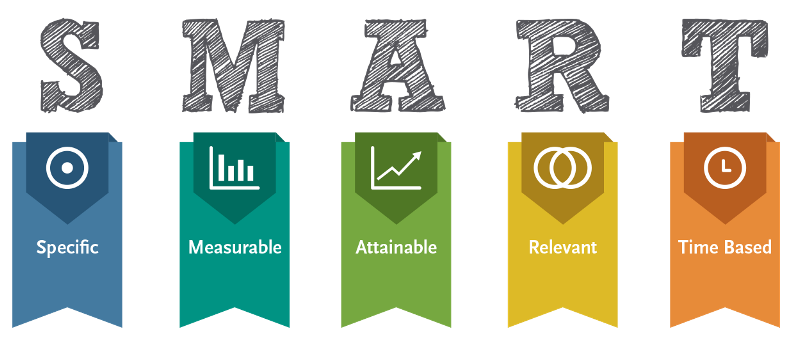
Let's break down what makes a goal SMART:
-
Specific: Your goal must be clear and unambiguous. Instead of "learn a new skill," try "learn to write basic Python code." You know exactly what you're aiming for.
-
Measurable: How will you track your progress? For the Python goal, you might decide to "complete five introductory tutorials on Codecademy." This gives you a clear benchmark for success.
-
Achievable: The goal should be realistic. Aiming to become a senior software engineer in a month is not. But learning the basics of Python in a few months? That's doable. Your goal should stretch you, not break you.
-
Relevant: Does this goal matter to you? If you want to build a website for your small business, learning Python is highly relevant. If you have no interest in coding, it’s probably not the right goal. It needs to align with your broader ambitions.
-
Time-bound: Every goal needs a deadline. It creates a sense of urgency. "I will complete the five Python tutorials by the end of next month." This sets a clear timeframe for you to work within.
From Intention to Action
Even a perfectly crafted SMART goal can fail if you don't have a plan to act on it. We've all had moments where we know what we should do, but we just... don't. This gap between knowing and doing is where many goals fall apart.
A powerful technique to bridge this gap is creating an implementation intention. It's a simple but profound strategy for planning out your actions in advance.
Implementation Intention
noun
A self-regulatory strategy in the form of an 'if-then' plan that specifies when, where, and how a goal-oriented behavior will be initiated.
The idea, pioneered by psychologist Peter Gollwitzer, is to decide ahead of time how you'll respond to a specific situation. You create a link between a future cue and your desired action.
The format is simple: "If [situation X] happens, then I will [perform behavior Y]."
For our Python goal, an implementation intention might look like this:
- "If it's 7 PM on a weekday, then I will open my laptop and work on a Python tutorial for 45 minutes."
This simple plan does something amazing: it automates your behavior. When 7 PM rolls around, you don't have to debate whether you feel like coding. The decision is already made. You've given your brain a script to follow, which reduces the need for willpower and makes it much more likely you'll stick to your goal.
Why This Works
These aren't just neat ideas; they're backed by science. Numerous studies have shown that people who use SMART goals and implementation intentions are significantly more likely to achieve their objectives than those who don't.
One landmark study looked at exercise. One group was simply asked to track how often they exercised. A second group was also shown motivational videos. A third group was asked to form an implementation intention, specifying when and where they would exercise. The results were striking. In the first two groups, around 35% of people exercised at least once a week. In the implementation intention group, that number jumped to 91%.
By setting a clear target (SMART) and a specific plan to act (implementation intentions), you create a powerful system for turning your ambitions into reality.
Ready to test your knowledge?
In the SMART goals framework, what does the letter 'M' stand for?
Which of the following goals is the most effective, according to the SMART framework?
Using these structured approaches moves goal-setting from wishful thinking to a practical skill.