Achieve Native English Fluency
English Phonetics
The Sounds of English
When you learn a language, you're learning a new system of sounds. Think about how Pinyin helps you pronounce Mandarin characters. English has a similar tool, but it's for sounds, not spelling. It's called phonetics.
Phonetics is the study of speech sounds. Instead of relying on the English alphabet, which can be inconsistent (think of the 'a' in 'cat', 'father', and 'late'), phonetics uses a special set of symbols where one symbol always equals one sound. This system is the International Phonetic Alphabet, or IPA.
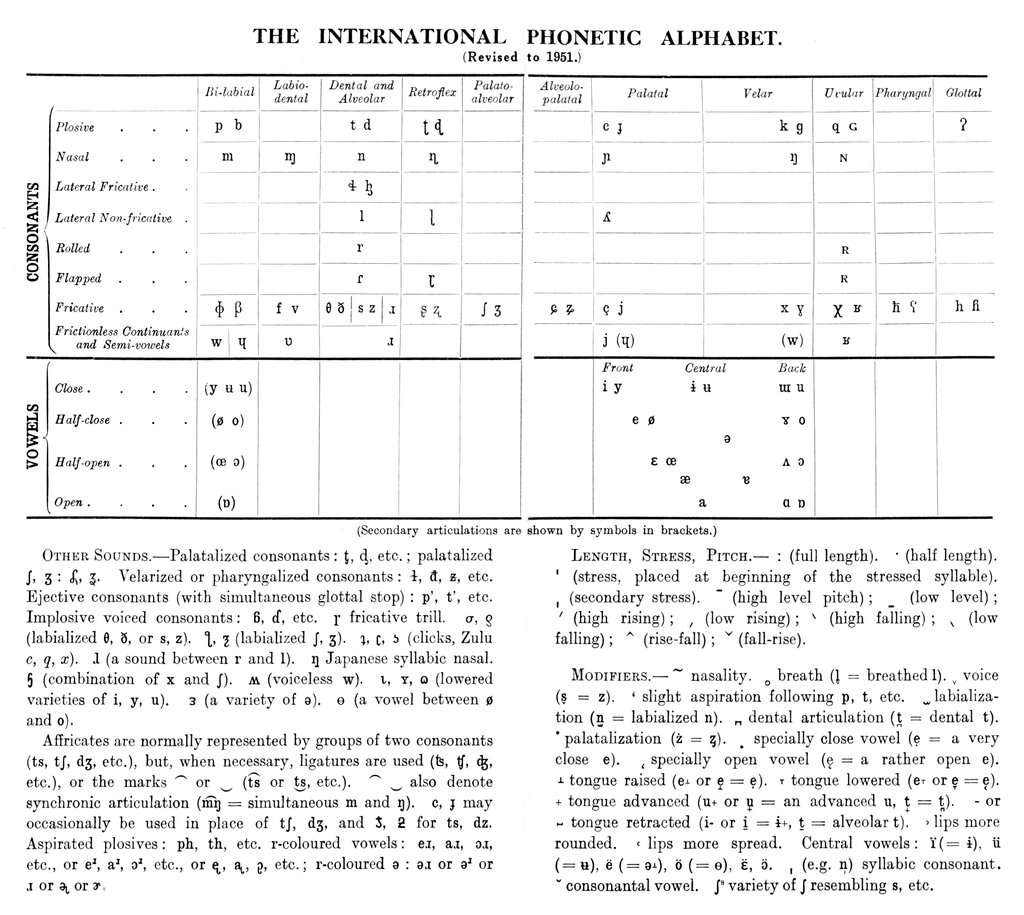
You don't need to memorize the entire chart. We'll just focus on the sounds used in standard English to build a strong foundation for your pronunciation.
Building Blocks: Consonants
Consonants are sounds made by partially or completely blocking the flow of air from your mouth. The sounds for 'p', 't', and 'm' are all consonants.
A key difference between consonants is voicing. Some sounds make your vocal cords vibrate, while others don't. Try this: place your fingers gently on your throat and say "sssss." Now, say "zzzzz." Feel that vibration on the 'z' sound? That's voicing.
- Voiceless sounds, like /s/, use only air.
- Voiced sounds, like /z/, use your vocal cords.
| Voiceless | Example | Voiced | Example |
|---|---|---|---|
| /p/ | pin | /b/ | bin |
| /t/ | tin | /d/ | din |
| /k/ | cat | /g/ | goat |
| /f/ | fan | /v/ | van |
| /s/ | sip | /z/ | zip |
Common Pronunciation Hurdles
Some English sounds can be tricky, especially if they don't exist in your native language. Let's look at a few common challenges for Mandarin speakers.
The 'th' sounds: /θ/ and /ð/
English has two 'th' sounds. For both, you need to place the tip of your tongue gently between your front teeth.
- Voiceless /θ/: Push air through your teeth. It’s the sound in words like thing, think, and both.
- Voiced /ð/: Do the same thing, but this time, vibrate your vocal cords. It’s the sound in this, that, and mother.
It might feel strange at first, but this tongue position is the key.
Practice tip: Look in a mirror to make sure the tip of your tongue is peeking out between your teeth when you make the 'th' sounds.
The 'l' and 'r' sounds: /l/ and /r/
Distinguishing between 'l' and 'r' is all about tongue placement.
- For the /l/ sound, the tip of your tongue should firmly touch the ridge right behind your top front teeth. Try saying light, list, and love.
- For the /r/ sound, the body of your tongue pulls back and the tip curls up, but it does not touch the roof of your mouth. Think of the sound in right, road, and red.
The Music of English: Vowels
Vowels are sounds made with an open vocal tract. Air flows freely, and the sound changes based on your tongue's position (high or low, front or back) and the shape of your lips (rounded or unrounded). Vowels give English its melody.
This chart shows where in the mouth different vowels are produced. For example, the /i:/ sound in 'see' is a high, front vowel, meaning your tongue is high up and near the front of your mouth. The /ɑ/ in 'father' is a low, back vowel.
Unlike consonants, all vowels are voiced. Getting familiar with these sounds will make a huge difference in how well you understand and speak English.
What is the primary purpose of the International Phonetic Alphabet (IPA)?
A 'voiced' sound is one that...
Using phonetics and the IPA is like having a map for pronunciation. It provides a clear, reliable guide to making the sounds of English accurately.