Achieve Michelin Star Cooking at Home
Advanced Culinary Techniques
Precision Cooking with Sous Vide
Imagine cooking a steak to a perfect medium-rare from edge to edge, with no gray, overcooked band just below the surface. That’s the promise of sous vide. The name is French for “under vacuum,” which describes the process well. Food is sealed in a plastic bag and submerged in a water bath held at a precise, constant temperature.
Think of it like a slow, gentle bath instead of a scorching-hot pan. Because the water temperature is the exact temperature you want your food to reach, it’s impossible to overcook it. A steak meant to be 130°F will never go a degree higher. This technique gives you unparalleled control, ensuring tender, juicy results every time. It’s a secret weapon for locking in moisture and flavor.
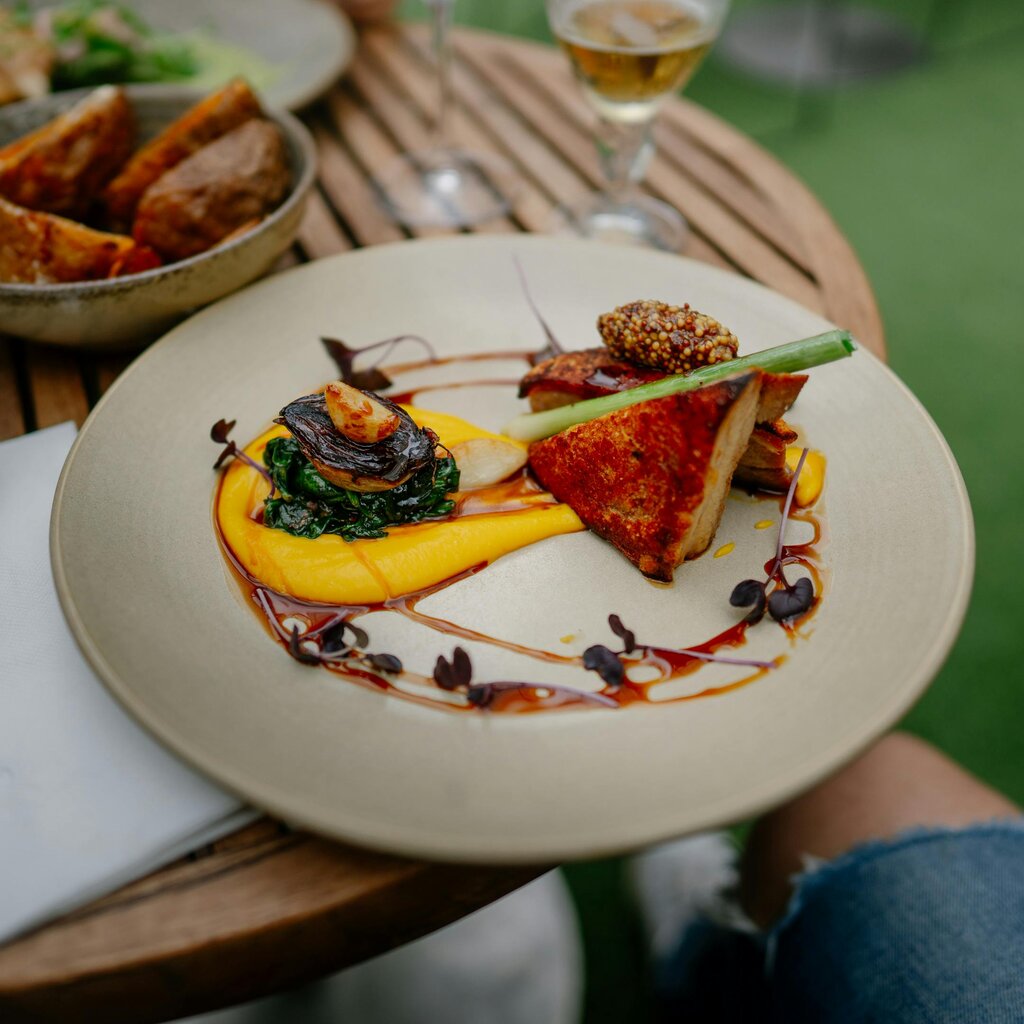
After the food is cooked through in the water bath, it's often given a quick, hot sear in a pan to create a delicious crust. This final step adds texture and deepens the flavor through caramelization, giving you the best of both worlds: a perfectly cooked interior and a beautifully browned exterior. Here are some common starting points:
| Food | Temperature | Time |
|---|---|---|
| Steak (Medium-Rare) | 130°F / 54°C | 1-4 hours |
| Chicken Breast | 145°F / 63°C | 1-4 hours |
| Salmon (Flaky) | 125°F / 52°C | 30-45 minutes |
| Pork Chop | 140°F / 60°C | 1-4 hours |
The Magic of Emulsions
Oil and water don't mix. We learn this early on, but in the culinary world, getting them to cooperate is the key to some of the most luxurious sauces and dressings. This process is called emulsification: tricking two liquids that normally repel each other into forming a smooth, stable mixture.
How is it done? With an emulsifier. This is a special ingredient that has a unique molecular structure. One end of the molecule is attracted to water (hydrophilic), and the other end is attracted to oil (hydrophobic). The emulsifier acts as a bridge, grabbing onto both the oil droplets and the water, holding them together in a suspension.
Classic examples include vinaigrette, where mustard can act as an emulsifier, and mayonnaise, where egg yolk is the key. Hollandaise sauce, a cornerstone of classic French cuisine, is a delicate emulsion of egg yolk, melted butter, and an acid like lemon juice. Mastering emulsions allows you to create sauces with a velvety texture that cling perfectly to food.
Building a Better Sauce
An advanced sauce is more than just the drippings in a pan. It’s about building layers of deep, complex flavor. One of the most fundamental techniques for this is reduction. By simmering a liquid like stock, wine, or vinegar, you evaporate the water content. This concentrates the flavors, leaving you with a richer, more intense base.
A great sauce is a conversation between ingredients. Reduction makes that conversation more interesting.
Once a sauce is reduced, it can be finished in several ways. One classic technique is called monter au beurre, which means “to mount with butter.” Whisking cold cubes of butter into a warm sauce at the end of the cooking process does two things: it thickens the sauce slightly and gives it a glossy sheen and a rich, smooth mouthfeel. This is the final touch that elevates a good sauce to a great one.
A Masterclass in Simplicity
Sometimes, the most impressive dishes are born from the simplest ingredients. No dish demonstrates this better than Joël Robuchon's legendary potato purée. It's often called the best mashed potatoes in the world, but it's really a testament to the power of flawless technique.
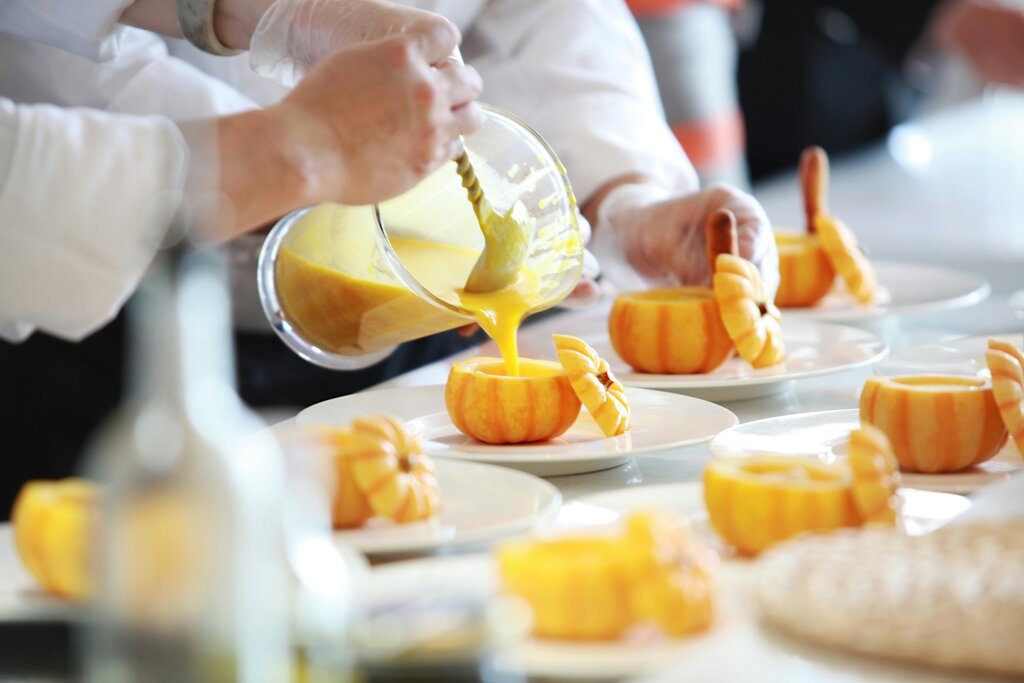
The magic isn't in a secret ingredient; it's in the process. First, he used a specific type of potato, the French Ratte, for its unique flavor and waxy texture. The potatoes are boiled with the skin on to prevent them from becoming waterlogged. After cooking, they are peeled and passed through a food mill while still hot. This creates an incredibly fine, lump-free texture that a regular masher can't achieve.
The final step is an exercise in emulsion. Very cold, high-quality butter is slowly incorporated into the hot potatoes, followed by hot milk, creating a purée that is impossibly silky and rich.
The famous ratio is staggering: for every two pounds of potatoes, a full pound of butter is used. It’s this combination of precise cooking, careful processing, and a perfect emulsion that transforms the humble potato into something unforgettable. It’s a powerful reminder that in high-end cooking, technique is everything.
Ready to test your knowledge of these advanced methods?
What is the primary advantage of the sous vide cooking method?
How does an emulsifier, like the egg yolk in mayonnaise, successfully combine oil and water?
Mastering these techniques opens up a new world of culinary possibilities, allowing you to control texture and flavor with confidence and creativity.