Achieve Inbox Zero for Peace of Mind
Understanding Email Overload
The Constant Stream
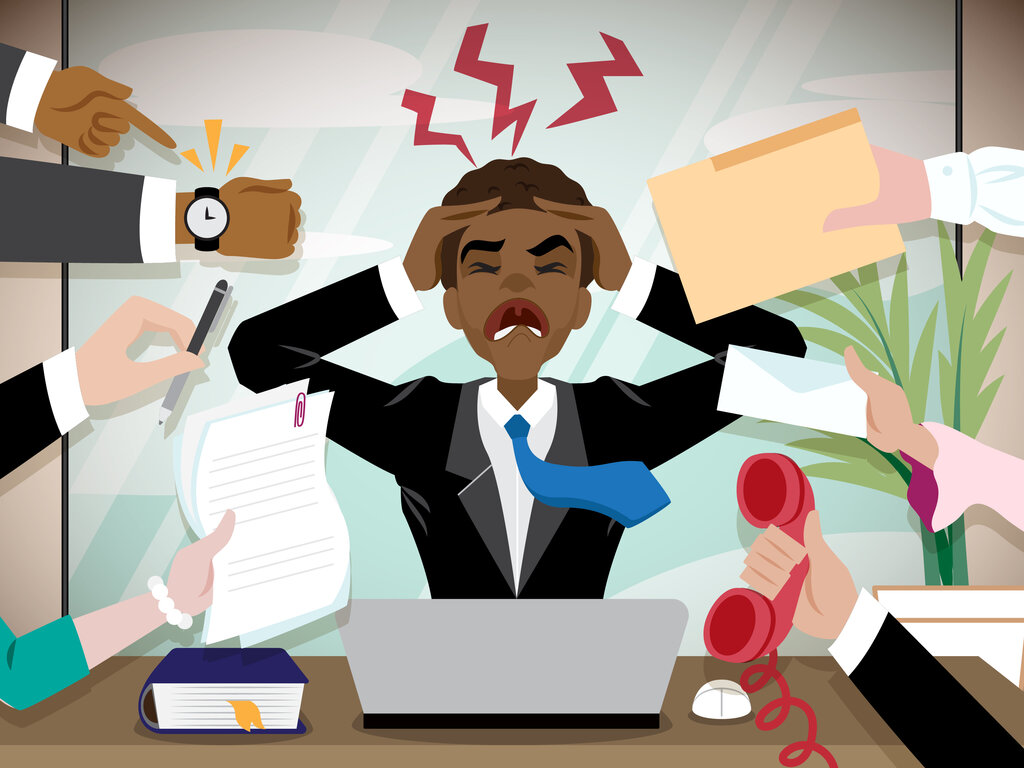
That little number next to your inbox icon keeps climbing. Each new email is a potential task, a question to answer, or a notification demanding attention. This relentless flow is known as email overload. It’s the feeling that you can’t possibly keep up with the volume of messages you receive.
It’s not just about the quantity. It's the pressure that comes with it. The expectation to read, process, and respond to every single message creates a constant, low-level hum of anxiety. Your inbox starts to feel less like a tool for communication and more like a never-ending to-do list managed by other people.
Why Inboxes Overflow
The problem isn't always that you're receiving too much important information. Often, inboxes swell for reasons that have little to do with productive communication. One major culprit is the "reply all" culture. A simple question directed at one person can quickly spiral into a conversation involving a dozen people, most of whom don't need to be there.
Another cause is using email for the wrong purpose. It's often treated as a catch-all for instant messaging, file sharing, and project updates. When a quick chat or a dedicated project management tool would be more efficient, email threads become long, confusing, and hard to follow.
Finally, there's the flood of automated notifications. Every app, service, and social media platform wants to send you an update. These messages mix with genuinely important emails, creating digital noise that you have to sort through just to find what matters.
A single question can easily generate an entire chain of messages, clogging inboxes and distracting team members from their actual work.
| Action | Who's Involved | Result |
|---|---|---|
| Alex asks a question. | Alex, Ben | 1 email |
| Ben replies, CCing his manager. | Alex, Ben, Manager | 2 emails total |
| Manager replies all with a thought. | Alex, Ben, Manager | 3 emails total |
| Alex replies all to clarify. | Alex, Ben, Manager | 4 emails total |
The Hidden Costs
Dealing with email overload has a direct impact on productivity. Every time an email notification pops up, it pulls you away from what you're doing. This is called context switching. Even if you don't open the email, your brain has already shifted focus. Getting back into a state of deep work can take several minutes. When this happens dozens of times a day, the lost time adds up significantly.
Time spent just managing the inbox—deleting spam, archiving newsletters, and sorting messages—is time not spent on your primary responsibilities. The simple act of deciding what to do with each email, repeated over and over, leads to decision fatigue, making it harder to make important choices later in the day.
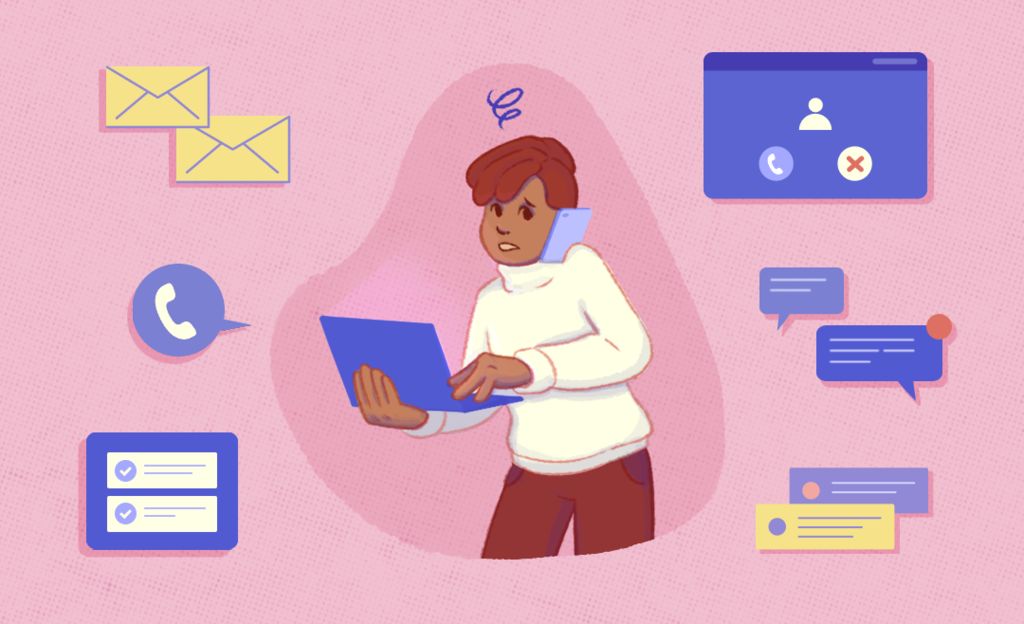
The psychological effects are just as serious. A perpetually full inbox can be a major source of stress and anxiety. It creates a feeling of being perpetually behind, no matter how hard you work. This can lead to a sense of guilt or inadequacy, as if you're failing at a basic part of your job.
The pressure to be constantly available and responsive blurs the line between work and personal life. Checking email first thing in the morning or late at night means you're never truly disconnected, which is a clear recipe for burnout.
It’s important to recognize that clutter isn’t limited to unread emails or stacks of papers piling up–it can build up as a result of repetitive tasks, lack of focus, and general disorganization.
Understanding these causes and effects is the first step. By recognizing that email overload is a real problem with tangible costs, you can begin to think about how to approach your inbox differently.