Achieve Discipline Mastery
Understanding Mastery
What is Mastery?
Mastery is more than just knowing a lot of facts. It’s a deep, intuitive understanding of a subject that allows you to perform with skill and grace. Think of a master chef who doesn't need to measure ingredients, a seasoned musician who improvises a beautiful melody, or a programmer who spots a tiny bug in thousands of lines of code.
They aren't just following instructions; they have internalized the principles of their craft so deeply that they can work fluidly and creatively. This level of expertise isn't about talent alone. It’s the result of a long, focused process.
Mastery is a process, not a gift. True mastery comes from years of learning, adapting, and improving—not talent alone.
Achieving this state involves breaking down a complex skill into its essential parts, practicing them with intense focus, and learning to apply them in new and challenging situations.
The Building Blocks of Expertise
Mastery doesn't appear overnight. It's built piece by piece from smaller, fundamental abilities called component skills. To learn to write an essay, you first need to master sentence structure, grammar, and vocabulary. To become a great basketball player, you must master dribbling, shooting, and defense. Isolating and improving these individual components is the first step.
Once you've identified the component skills, the path to improvement is through deliberate practice. This isn't the same as just putting in the hours. Deliberate practice is focused, goal-oriented effort aimed squarely at what you can't do yet. It involves pushing past your comfort zone, concentrating on your weaknesses, and constantly seeking to improve.
Remember that mastery comes through deliberate practice and conceptual understanding.
The final building block is the application of knowledge. True mastery isn't just about performing well in a familiar practice environment. It's about the ability to take your skills and apply them effectively to solve real-world problems, even ones you've never seen before. This is where knowledge transforms into true capability.
Routine vs. Adaptive Experts
As people develop skills, they often fall into one of two categories: routine experts or adaptive experts.
A routine expert is highly efficient at solving familiar problems. They have mastered a set of procedures and can execute them quickly and accurately. Think of an assembly line worker who has perfected a specific task through thousands of repetitions. They are incredibly good at what they do, as long as the problems remain the same.
An adaptive expert, on the other hand, possesses a deeper, more flexible understanding. They not only know the procedures but also the principles behind them. This allows them to innovate and handle novel situations. When faced with a new challenge, they can adapt their knowledge to create a solution.
| Feature | Routine Expert | Adaptive Expert |
|---|---|---|
| Focus | Efficiency in known tasks | Innovation & new challenges |
| Knowledge | Procedural (the "how") | Conceptual (the "why") |
| Approach | Follows established methods | Invents new methods |
| Environment | Stable and predictable | Dynamic and unpredictable |
While routine expertise is valuable, adaptive expertise is the hallmark of true mastery. It represents the ability not just to perform but to grow, innovate, and lead.
The Engine of Growth
The journey toward mastery is powered by a continuous cycle of feedback and learning. You cannot improve what you cannot see.
Feedback is the information you receive about your performance. It can come from a coach, a mentor, a test result, or simply the outcome of your own work. Honest and constructive feedback illuminates the gap between your current ability and your goal. It shows you exactly where you need to apply deliberate practice.
Continuous learning is the mindset of embracing that feedback and always seeking new knowledge. A master is never done learning. They remain curious, open to new ideas, and committed to refining their craft. This constant loop of practice, feedback, and learning is what fuels the slow but steady climb to the top of any field.
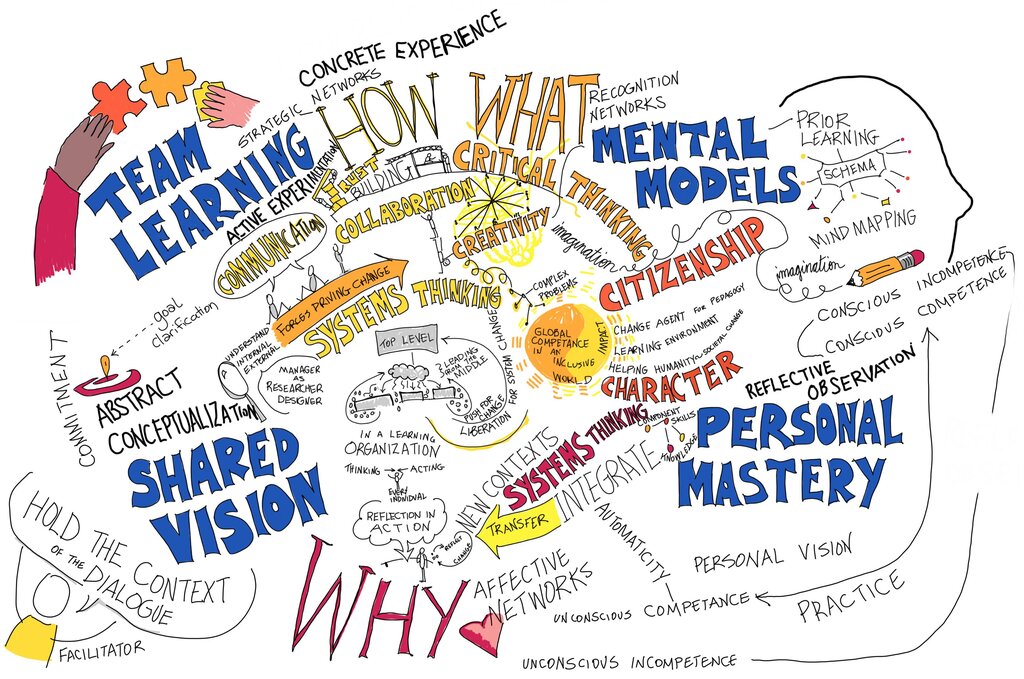
This cycle is what separates amateurs from masters. It's a commitment not just to being good, but to always getting better.