Achieve a Leaner Midsection After 50
Understanding Abdominal Fat
More Than Skin Deep
When we talk about belly fat, we're actually talking about two different types. Understanding the distinction is key, especially as we get older, because one type poses a much greater health risk than the other.
The first kind is subcutaneous fat. This is the soft, pinchable layer that sits just beneath your skin. It's the fat you can feel on your arms, legs, and, yes, your belly. While having too much of it isn't ideal, it's less of a health concern than its deeper counterpart.
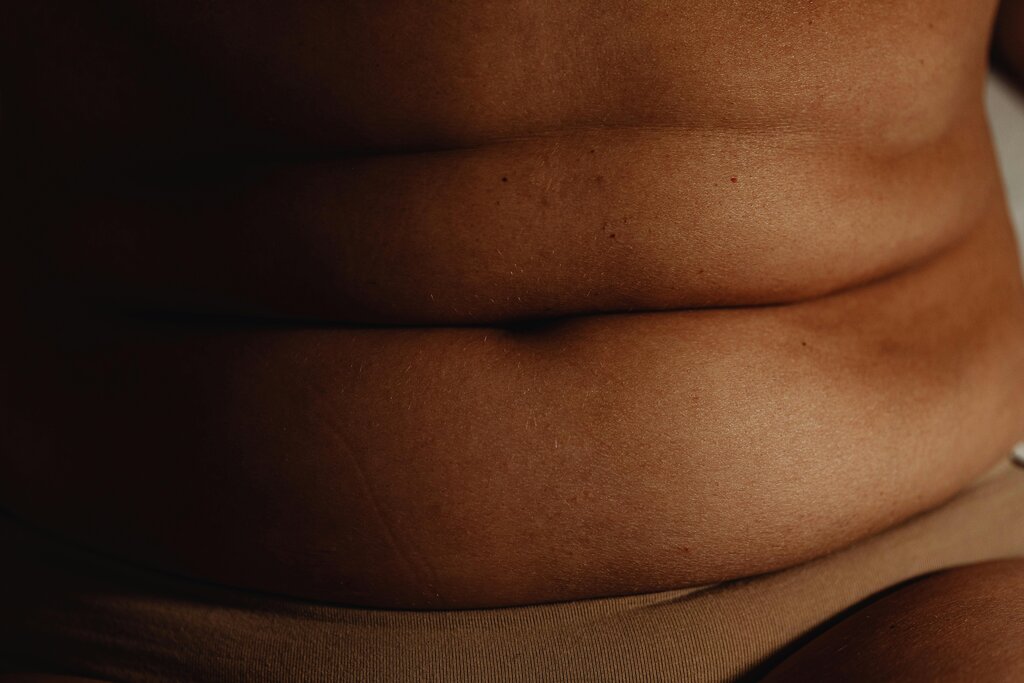
The second type is visceral fat. This fat is stored deep within your abdominal cavity, surrounding important organs like your liver, pancreas, and intestines. You can't see or pinch visceral fat, which makes it easy to overlook. Despite being hidden, it's the more dangerous of the two.
The Dangers of Deep Fat
Visceral fat isn't just a passive storage depot. It's metabolically active, meaning it functions almost like an organ itself. It produces inflammatory substances and hormones that can disrupt your body's normal functions. This is why it’s so strongly linked to serious health problems.
Over time, the chronic inflammation caused by visceral fat can lead to insulin resistance, a condition where your cells don't respond well to insulin. This increases your risk of developing type 2 diabetes. The substances released by this fat can also raise your blood pressure and negatively affect your cholesterol levels, contributing to a higher risk of heart disease and stroke.
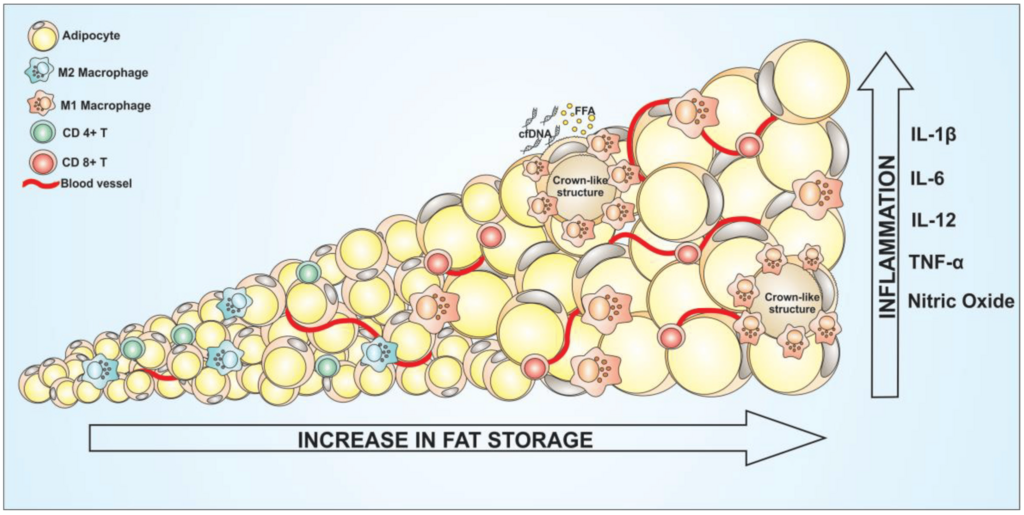
Visceral fat is linked to a higher risk of insulin resistance and diabetes.
How to Measure Up
Since you can't see visceral fat, how do you know if you have too much? A simple tape measure is your best tool. Measuring your waist circumference gives you a good estimate of your abdominal fat levels. It's a more accurate indicator of health risk than weight or BMI alone.
Here's how to do it correctly:
- Stand up straight and relax your abdomen. Don't suck in your stomach.
- Find the top of your hip bone and the bottom of your ribs.
- Place the tape measure midway between these two points, wrapping it around your bare torso.
- Make sure the tape is level all the way around.
- Breathe out normally and check the measurement.
For most adults, a waist circumference greater than 40 inches (102 cm) for men, and 35 inches (88 cm) for women, is associated with a higher risk of health problems.
Knowing your measurement is the first step. It helps you understand your personal health risk and provides a baseline you can track over time. Reducing visceral fat is a powerful way to protect your long-term health.