Ace Your Virtual Interview
Understanding Virtual Interviews
The New Handshake
A virtual interview is just a job interview that happens over video instead of in person. Companies use tools like Zoom, Google Meet, or specialized platforms to connect with candidates remotely. This isn't a new idea, but it's become a standard part of the hiring process for many industries.
These interviews come in two main flavors. The most common is a live video call, where you talk with one or more people in real-time, just like you would across a desk. It could be a one-on-one chat with a hiring manager or a panel interview with several team members.
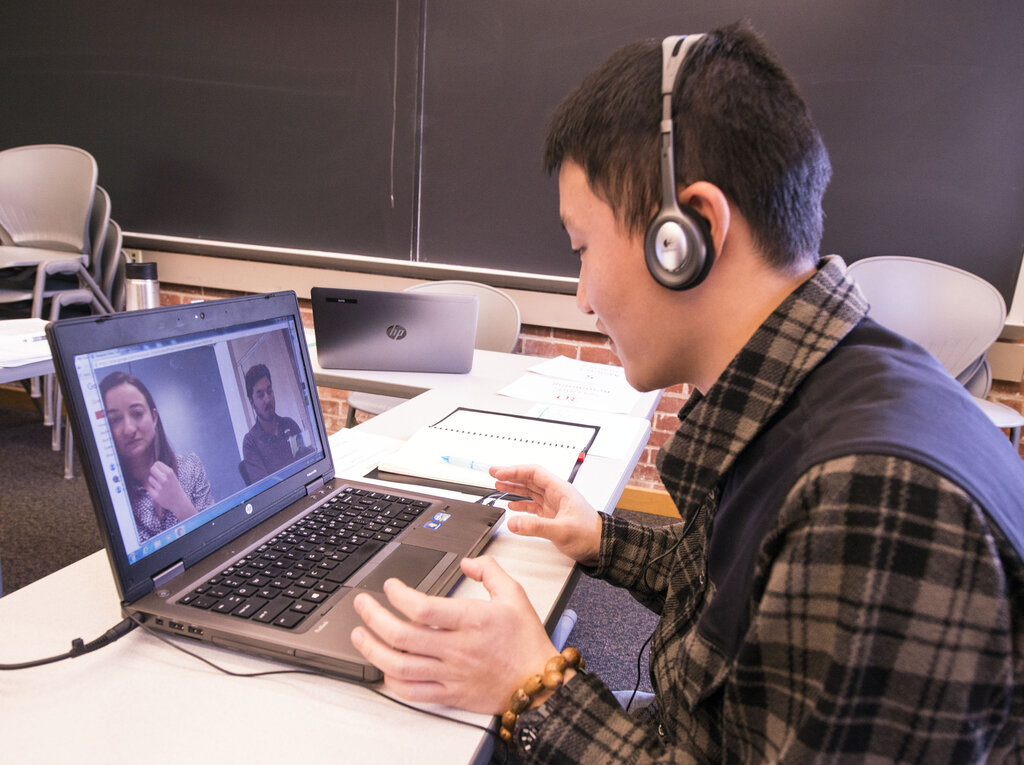
The other type is a one-way, or pre-recorded, interview. The company sends you a set of questions, and you record your answers on video by a certain deadline. There's no back-and-forth conversation. An AI or a hiring manager reviews your recording later. It can feel a bit strange talking to your screen, but it gives the company a consistent way to screen many applicants at once.
Why Interview Online?
Virtual interviews offer some clear benefits for everyone involved. For you, the candidate, the biggest perk is convenience. You don't have to take a full day off work, pay for travel, or navigate an unfamiliar office park. You can interview for a job in another city, or even another country, without leaving your home.
Companies like them for similar reasons. They can screen more candidates in less time, saving money on travel costs and speeding up the hiring process. It also widens their talent pool, allowing them to consider qualified people from anywhere in the world.
Virtual interviews are likely to stay post-pandemic as well as it is convenient for employers, ease scheduling conflicts, and can broaden the candidate pool.
Unique Hurdles
While convenient, virtual interviews present their own set of challenges. The biggest one is connection. It’s harder to build rapport and chemistry when you aren't in the same room. Small talk feels different, and it's tougher to read body language and social cues through a screen.
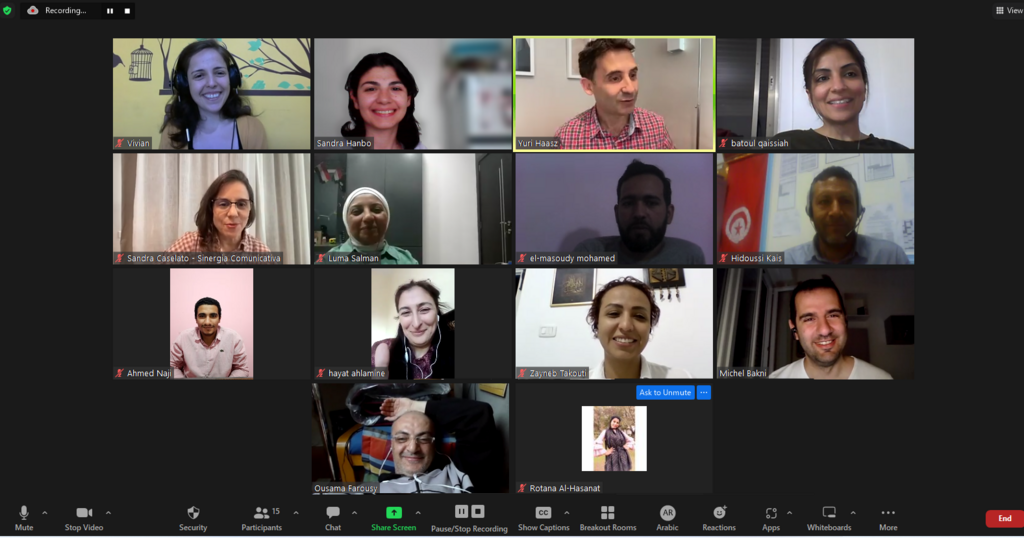
You also can't get a feel for the company culture in the same way. You won't see how people interact in the hallways, what the office space is like, or the general vibe of the workplace. You have to rely entirely on the conversation to gauge if it's the right environment for you.
Another challenge is the constant potential for technical trouble. A frozen screen, choppy audio, or a dropped call can disrupt the flow and create a stressful moment for both you and the interviewer.
Finally, your environment becomes part of your first impression. A distracting background or an interruption from a pet or family member can pull focus from you and your qualifications. Unlike an office, you're in complete control of the setting, which adds another layer of things to manage.
What are the two primary formats for virtual interviews?
Which of the following is a key benefit of virtual interviews for companies?
Understanding these dynamics is the first step toward succeeding in a virtual interview. It’s a different arena than a traditional interview, but it's one you can master.