Ace Your Virtual Interview
Understanding Virtual Interviews
The New Handshake
Virtual interviews are now a standard part of the hiring process. Instead of meeting in an office, you'll meet over a video call. This shift isn't just about convenience; it allows companies to connect with candidates from anywhere in the world. While the setting has changed, the goal remains the same: to see if you're the right fit for the team and the role.
Virtual interviews are likely to stay post-pandemic as well as it is convenient for employers, ease scheduling conflicts, and can broaden the candidate pool.
Just like in-person interviews, preparation is key. But for a virtual setting, you also need to be comfortable with the technology and know how to project professionalism through a screen. It’s a different kind of performance.
Two Main Flavors
Virtual interviews generally come in two formats: live and one-way. Each has its own rhythm and requires a slightly different approach.
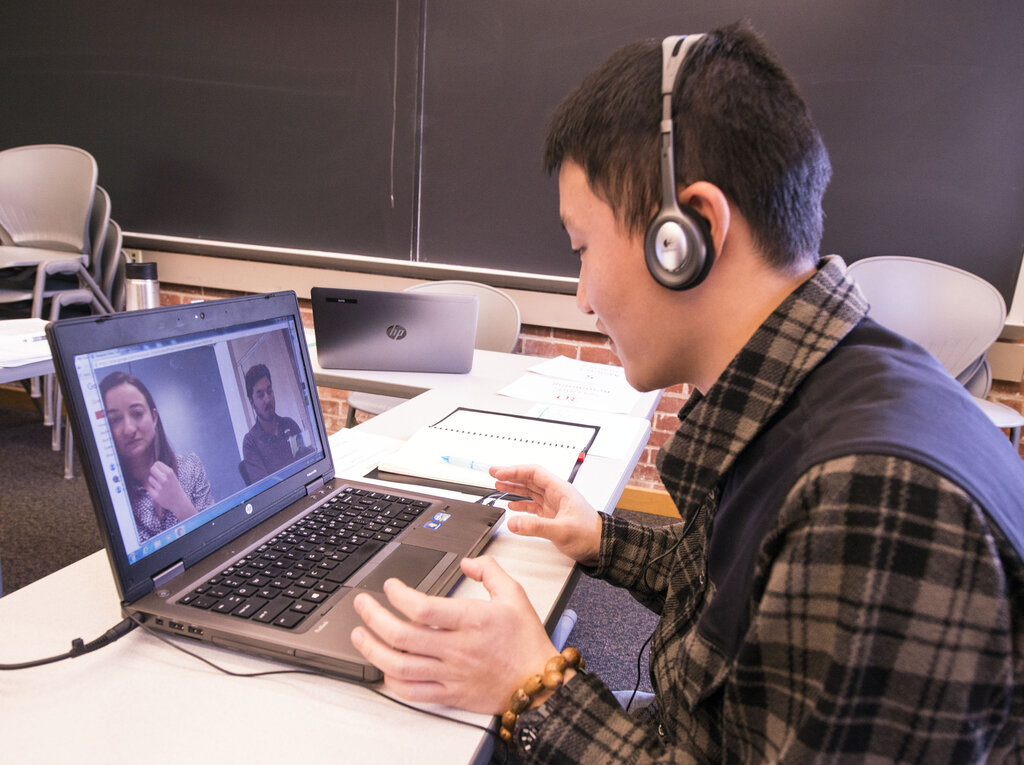
A live video interview is exactly what it sounds like. You and one or more interviewers connect in real-time through a platform like Zoom, Google Meet, or Microsoft Teams. It's a direct conversation, just like an in-person meeting. You can ask questions, read body language, and build rapport. The main challenge here is creating a personal connection without being in the same room.
A one-way recorded interview is different. The company sends you a set of questions, and you record your answers on your own time. There's no live interviewer present. You might get a few minutes to prepare for each question before the recording starts, and sometimes you only get one take. This format tests your ability to be concise and articulate under pressure, without the feedback of a live conversation.
The biggest challenge of a one-way interview is talking to a screen. Practice looking directly into your camera and speaking clearly, as if you're talking to a person.
Adapting Your Approach
Success in a virtual interview means adapting traditional skills to the digital stage. Body language still matters, but it's confined to what the camera can see. Sit up straight, maintain eye contact by looking at your webcam, and use hand gestures naturally within the frame.
| In-Person Technique | Virtual Adaptation |
|---|---|
| A firm handshake | A warm, professional greeting to start the call. |
| Reading the room | Pay close attention to the interviewer's facial expressions and tone. |
| Bringing a notepad | Keep digital notes open in a separate window or neatly on your desk. |
| Non-verbal cues | Nod and smile to show you're engaged, since subtle cues are harder to see. |
Your communication skills are also under a microscope. With no physical presence, your words and tone carry more weight. Speak clearly and at a moderate pace. It's also a good idea to pause briefly before answering a question. This shows you're being thoughtful and helps avoid talking over the interviewer, which can happen with slight audio delays.
Ultimately, a virtual interview is still an interview. The fundamentals of researching the company, preparing your answers, and asking smart questions are just as important as ever.
In a virtual interview, where should you look to maintain eye contact with the interviewer?
You receive an email with a link to a platform where you have 48 hours to record your answers to five pre-set questions, with no live interviewer present. What type of interview is this?