Ace Your Virtual Interview
Understanding Virtual Interviews
The Rise of the Virtual Interview
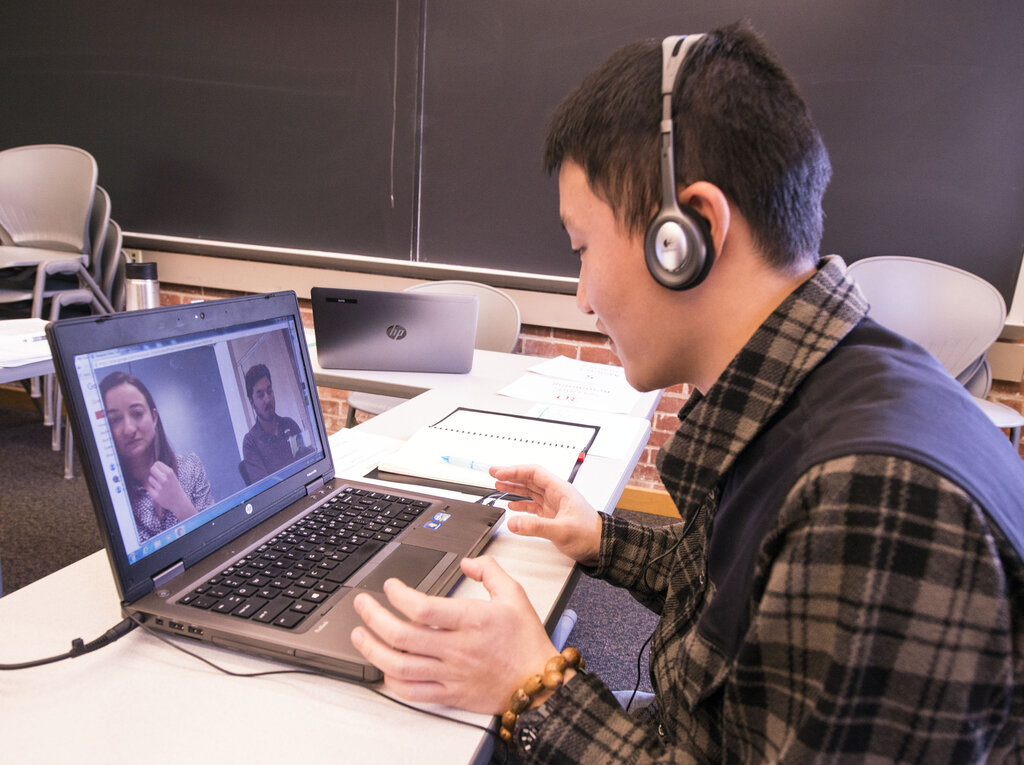
A virtual interview is just a job interview that happens remotely, using video conferencing software. Instead of meeting in an office, you and the interviewer connect from your own locations through your computers or phones. This format has become incredibly common, not just for remote jobs but for all kinds of roles. Companies use them to screen candidates from anywhere in the world, saving everyone time and travel costs.
Virtual interviews are likely to stay post-pandemic as well as it is convenient for employers, ease scheduling conflicts, and can broaden the candidate pool.
Because they're so prevalent, getting comfortable with virtual interviews is a crucial skill for landing an internship or job. It’s your chance to show a potential employer not only your qualifications but also your ability to communicate effectively in a digital setting.
Same Goal, Different Arena
At its core, a virtual interview has the same goal as an in-person one: for you and the employer to see if it's a good fit. You'll still need to research the company, prepare answers to common questions, and dress professionally. However, the format introduces some key differences.
Much of the preparation for virtual interviews is the same as for in-person interviews.
The biggest change is the environment. You’re in your own space, which can be both a comfort and a challenge. You are responsible for your background, lighting, and ensuring there are no distractions. Non-verbal communication also changes. Making eye contact means looking at your camera, not the screen, which can feel unnatural at first. Small gestures are harder to see, so clarity in your speech is even more important.
Technology is the other major factor. A poor internet connection or software glitch can disrupt the flow of the conversation, making a good impression much harder.
| Feature | In-Person Interview | Virtual Interview |
|---|---|---|
| Environment | Controlled by the employer (office setting) | Controlled by you (your home or chosen location) |
| Body Language | Full-body non-verbal cues are visible | Limited to head and shoulders; eye contact is indirect |
| Technology | Minimal reliance (none) | Absolutely critical (internet, software, camera, mic) |
| First Impression | Begins with a handshake and entry | Begins the moment your video turns on |
Platforms, Pros, and Cons
Companies use a variety of platforms for virtual interviews. The most common ones are Zoom, Microsoft Teams, and Google Meet. You'll almost always receive a link ahead of time. It's a great idea to download the software and test it out with a friend to make sure your camera and microphone work properly. Don't wait until five minutes before the interview to figure it out.
This format has clear benefits. It’s convenient, eliminates travel, and makes scheduling easier. One of the biggest perks is the ability to have notes nearby to reference.
However, there are challenges. It can be harder to build a personal connection with the interviewer through a screen. Technical problems can happen unexpectedly, creating stress. And the need to create a professional setting in your personal space adds a layer of preparation you wouldn't have otherwise.
An advantage of virtual interviews is that you can have your notes and questions handy on your computer screen during your conversation.
What is the primary goal of a virtual interview?
When participating in a virtual interview, making 'eye contact' means looking directly at the ________.
Mastering the virtual interview is about adapting your preparation to a digital stage. By understanding the differences and preparing for the unique challenges, you can present yourself just as professionally as you would in person.