Ace Your Virtual Interview
Understanding Virtual Interviews
The New Handshake
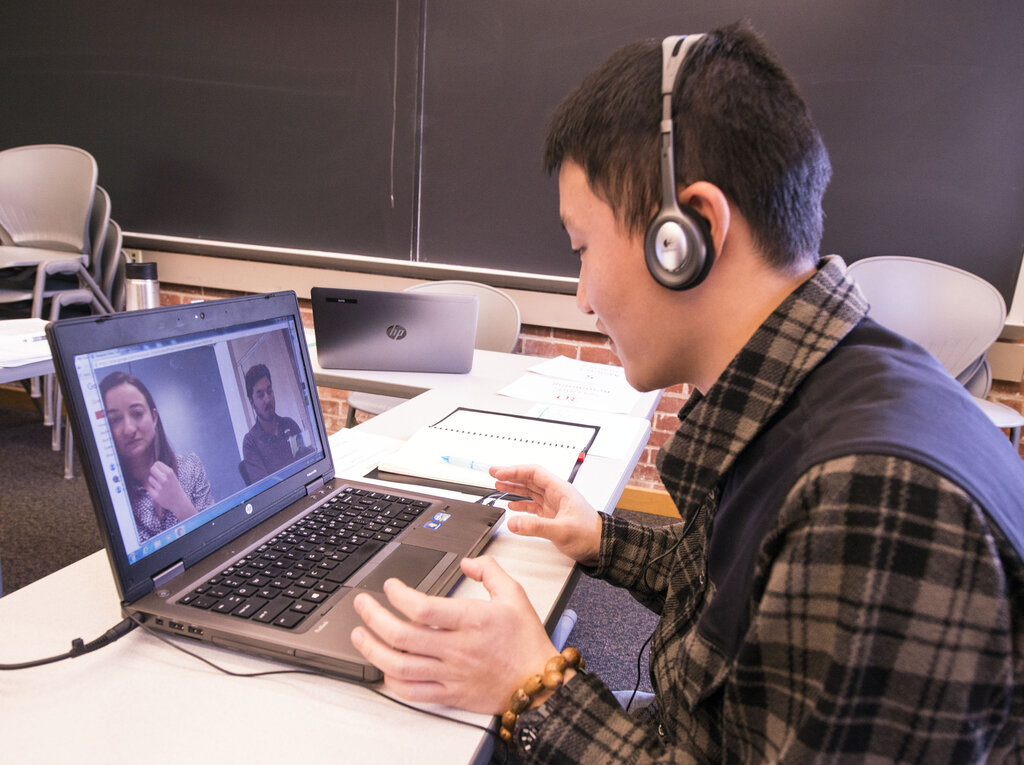
Not long ago, a job interview meant a trip to an office, a firm handshake, and a face-to-face conversation. Today, there's a good chance your first meeting with a potential employer will be through a screen. A virtual interview is simply a job interview conducted remotely using video conferencing technology. It allows companies to connect with candidates anywhere in the world, saving time and money for everyone involved.
Virtual interviews are likely to stay post-pandemic as well as it is convenient for employers, ease scheduling conflicts, and can broaden the candidate pool.
For internships and entry-level roles, this format has become standard practice. Mastering the virtual interview is no longer just a good idea; it's a fundamental skill for starting your career. It’s your chance to show you’re adaptable, professional, and ready for the modern workplace.
Same Goal, Different Arena
While the goal of a virtual interview is the same as an in-person one—to see if you're a good fit for the role—the experience is quite different. The preparation you do beforehand is similar, but you have to account for the technology and setting.
You can't rely on a firm handshake to make a first impression. Instead, your professionalism is judged by your digital presence, from your background to your camera angle.
Body language is also more limited. The interviewer only sees you from the shoulders up, so facial expressions and clear, confident speech become even more important. You lose the subtle cues of an in-person meeting, which means you have to be more deliberate in how you communicate. The key is to treat it with the same seriousness as a traditional interview, just with a few extra technical checkpoints.
| Aspect | In-Person Interview | Virtual Interview |
|---|---|---|
| Environment | Company's office | Your own space (e.g., home office) |
| First Impression | Handshake, attire, posture | Camera setup, background, audio quality |
| Communication | Full body language, direct eye contact | Limited to screen view, direct camera contact |
| Technology | Minimal (getting there on time) | Critical (internet, software, hardware) |
Know Your Tools
Companies use a variety of platforms for virtual interviews. You’ll most likely encounter one of a few common tools. These include Zoom, Microsoft Teams, and Google Meet. Some companies may also use specialized hiring software with built-in video features.
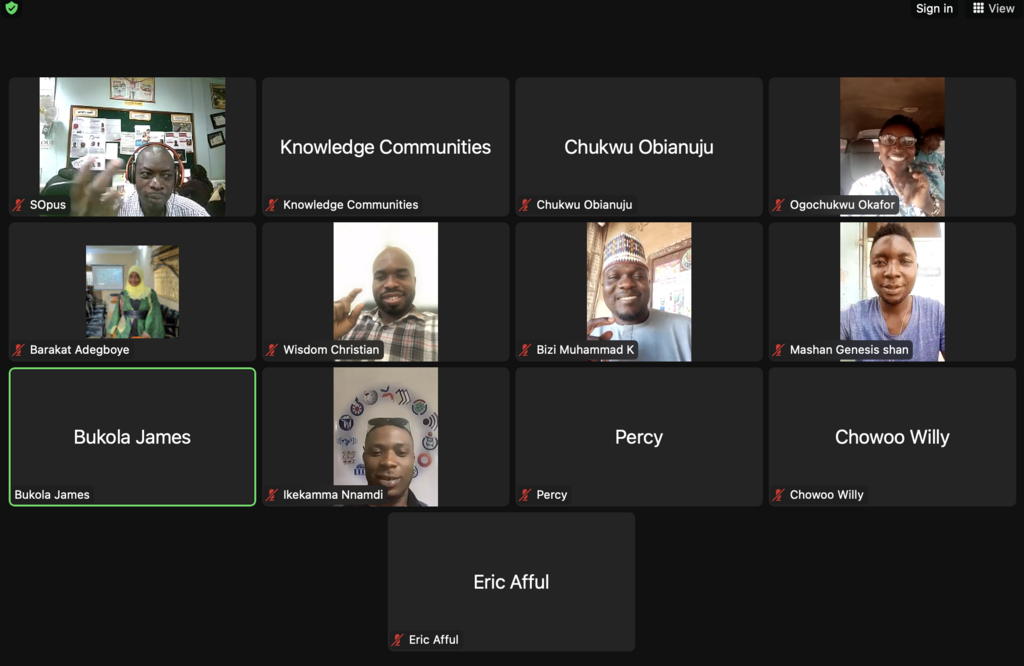
The platform itself isn't what matters most. What's important is your comfort level with it. Before your interview, you should receive a link to the meeting. Don't wait until five minutes before the start time to click it.
Familiarize yourself with video conferencing tools such as Zoom or Microsoft Teams before the interview day so you’re not stressed about technology glitches during the call.
Download the necessary software ahead of time. Do a test call with a friend to check your audio and video. Know where the mute button is and how to share your screen if needed. Handling the technology smoothly shows you are prepared and detail-oriented, qualities every employer values.
What is the primary goal of a virtual interview, similar to a traditional one?
In a virtual interview setting where only your head and shoulders are visible, which two elements of communication become more critical?
Adapting to the virtual format is a key part of the modern job search. By understanding the differences and preparing for the technology, you set yourself up for success.