Ace Your Virtual Interview
Understanding Virtual Interviews
The New Handshake
A virtual interview is just what it sounds like: a job interview conducted remotely using video conferencing technology. Instead of meeting in an office, you and the interviewer connect from your own locations through a computer or phone.
This format has become incredibly common, not just as a backup plan but as a standard step in the hiring process. Companies use them for everything from initial screenings to final-round conversations. For internships and entry-level roles, you can almost certainly expect at least one of your interviews to be virtual.
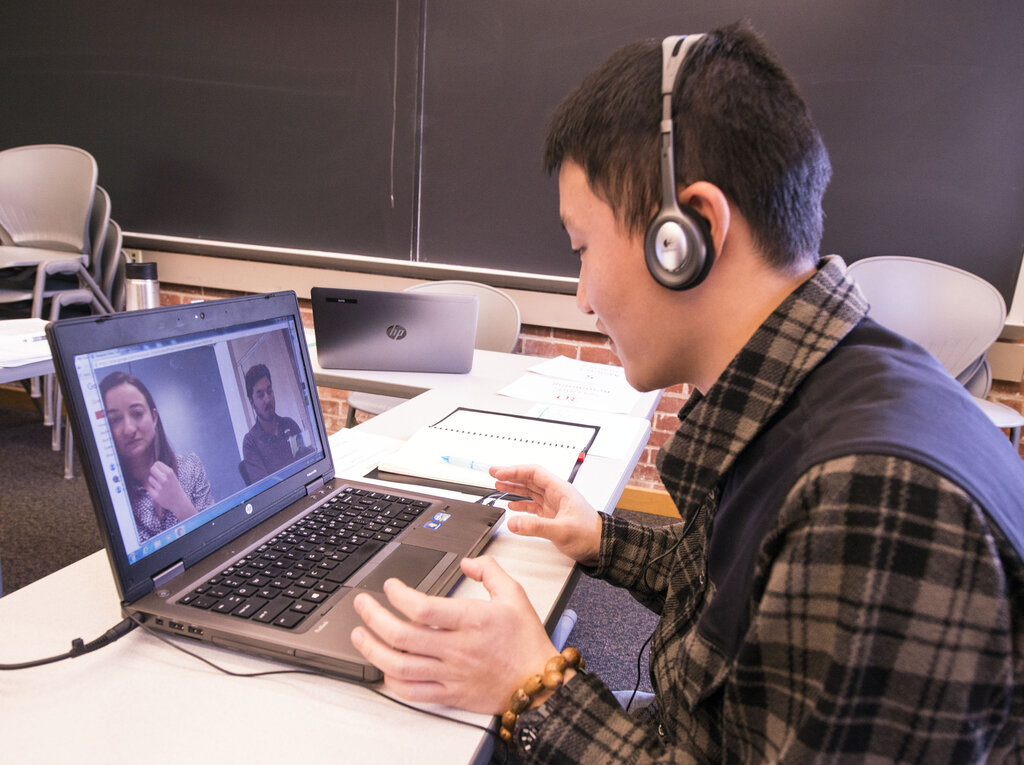
Virtual interviews are likely to stay post-pandemic as well as it is convenient for employers, ease scheduling conflicts, and can broaden the candidate pool.
Same Goal Different Room
While the goal of a virtual interview is the same as an in-person one—to see if you're a good fit for the role and the company—the experience feels different. The most obvious change is the environment. You’re not in their office; you’re in your own space. This gives you control over your background and surroundings, but it also puts the responsibility on you to ensure it’s a professional setting.
Communication also changes. Body language is harder to read through a screen. Small gestures and social cues can get lost. Making eye contact means looking directly into your webcam, not at the interviewer’s face on your screen, which can feel unnatural at first. You also have to be more conscious of your posture and how you appear on camera.
The screen might create distance, but your preparation and enthusiasm can bridge the gap.
Finally, technology is a factor that doesn't exist in a traditional interview. A stable internet connection, a working camera, and clear audio are all crucial. Technical glitches can happen, but being prepared helps you handle them smoothly.
Common Platforms
Companies use a variety of platforms for virtual interviews. Most are tools you might already be familiar with. You don't need to be an expert, but it's wise to know the basics before your call.
| Platform | Common Use |
|---|---|
| Zoom | Very popular for its reliability and features like screen sharing. |
| Google Meet | A simple, web-based option often used by companies that use Google Workspace. |
| Microsoft Teams | Common in corporate environments, especially those that rely on Microsoft products. |
| Proprietary Software | Some larger companies use their own specialized hiring platforms. They will always provide instructions. |
No matter the platform, the company will send you a link ahead of time. The core functions are always the same: video, audio, and sometimes a chat box.
What is the primary goal of a virtual interview?
In a virtual interview, where should you look to create the effect of direct eye contact with the interviewer?