Ace Your Virtual Interview
Understanding Virtual Interviews
The Rise of Virtual Interviews
A virtual interview is a job interview conducted remotely using video technology. Instead of traveling to an office, you connect with a hiring manager or recruiter from your computer or phone. This format has become standard for many companies, especially for internships and first-round interviews.
Virtual interviews are likely to stay post-pandemic as well as it is convenient for employers, ease scheduling conflicts, and can broaden the candidate pool.
There are two main types of virtual interviews you might encounter:
Live Interview
noun
A real-time, two-way conversation with an interviewer over a video call. It's the most common type and feels like a traditional, face-to-face meeting.
The second type is a bit different.
One-Way Interview
noun
Also known as a pre-recorded interview, this is where you record your answers to a set of pre-selected questions. There's no live interviewer; you simply record your responses for the hiring team to review later.
Platforms and Preparation
Companies use a variety of platforms for virtual interviews. Most are common tools you might already use, like Zoom, Google Meet, or Microsoft Teams. Some companies use specialized hiring software like HireVue or Spark Hire, especially for one-way interviews.
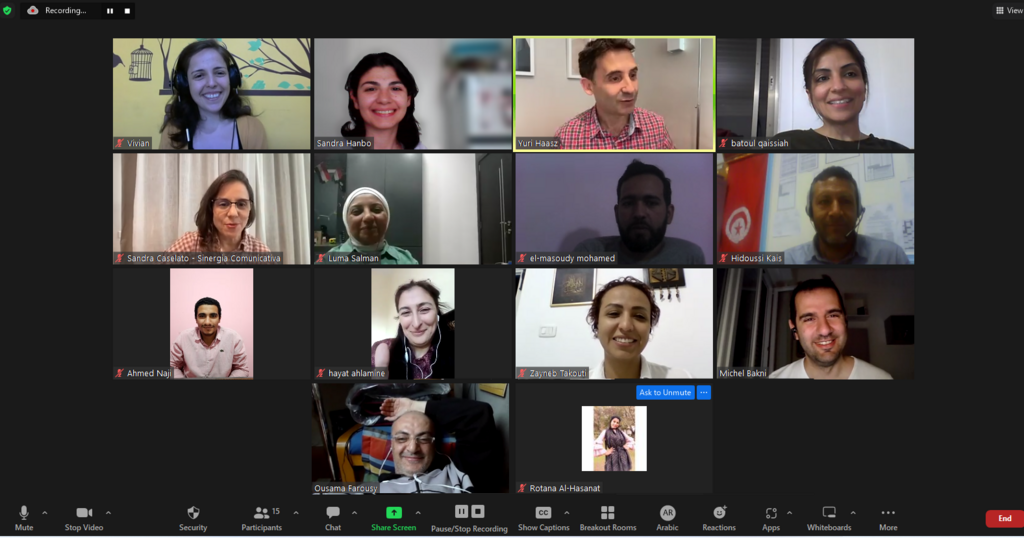
No matter the platform, your goal is to show up prepared. The recruiter will send you a link ahead of time. It's always a good idea to test it and get comfortable with the interface before the interview starts.
Much of the preparation for virtual interviews is the same as for in-person interviews.
While the core preparation is similar—researching the company, preparing answers, and thinking of questions to ask—the format introduces some key differences.
| Aspect | In-Person Interview | Virtual Interview |
|---|---|---|
| Environment | The company's office. | A space you choose and control. |
| Body Language | Your entire presence is visible, from your handshake to your posture. | Focus is mainly on your face, expressions, and upper body. |
| Technology | None required. | Relies on a stable internet connection, camera, and microphone. |
| First Impression | Based on your arrival, handshake, and in-person demeanor. | Begins the moment your camera turns on. Your background matters. |
Advantages and Challenges
Virtual interviews offer clear benefits. They save you time and money on travel and are often easier to schedule. You get to interview from a comfortable, familiar space, which can help calm your nerves.
One of the biggest perks is the ability to have your resume, notes, and questions nearby for quick reference. Just be sure to glance at them subtly so you can maintain eye contact with the camera.
However, this format has its own set of challenges. Technology can be unpredictable. A poor internet connection or a malfunctioning camera can create a bad impression and add stress.
Nothing ruins a virtual interview faster than lagging video or audio cutting in and out.
It can also be harder to build a personal connection and read the interviewer's body language through a screen. You have to be more intentional with your communication, making sure your enthusiasm and personality come across clearly.
By understanding these dynamics, you can prepare effectively and make a great impression in any virtual setting.