Ace Your Virtual Interview
Understanding Virtual Interviews
The New Handshake
A virtual interview is a job interview that happens remotely, using video conferencing software. Instead of traveling to an office, you connect with the interviewer from your own space through a computer or phone. This format has become incredibly common, not just for remote jobs, but also for first-round screenings and internships. For many companies, it's a fast and efficient way to meet candidates from anywhere in the world.
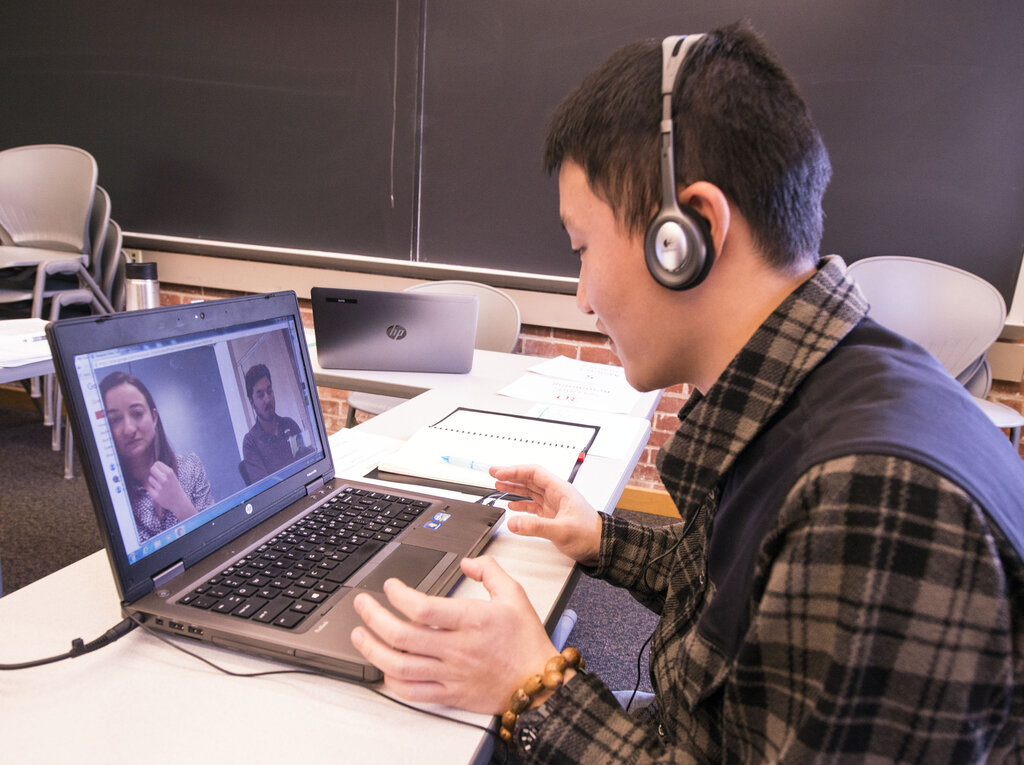
Think of it as a modern-day handshake. It’s your first opportunity to make a great impression, show your skills, and see if the company is the right fit for you. And while the goal is the same as a traditional interview, the experience is a bit different.
Much of the preparation for virtual interviews is the same as for in-person interviews.
You still need to research the company, prepare answers to common questions, and dress professionally. But the virtual format adds a new layer to consider: technology and environment.
Key Differences
In a traditional interview, you walk into a building, shake hands, and sit across from someone. You can read their full body language and get a feel for the office culture. You’re a guest in their space.
In a virtual interview, you are in control of your environment. The focus is almost entirely on your face and what's visible behind you. Non-verbal cues are limited to what the camera can see, making direct eye contact (with the camera, not the screen) and clear speech even more important. Technology is the bridge between you and the interviewer, so a stable connection is crucial.
| Feature | In-Person Interview | Virtual Interview |
|---|---|---|
| Environment | Company office, interviewer's space | Your own space (home, library, etc.) |
| Body Language | Full body visible, handshake | Mostly face and shoulders visible |
| First Impression | Punctuality, handshake, attire | Tech setup, background, on-screen presence |
| Communication | Direct, face-to-face conversation | Mediated by technology (camera, mic) |
Platforms and Pitfalls
Companies use a variety of platforms for virtual interviews. The most common are Zoom, Microsoft Teams, and Google Meet. Usually, the employer will send you a link ahead of time. It's a great idea to familiarize yourself with the platform before the interview to avoid any last-minute technical surprises.
The virtual format comes with unique advantages. You save time and money on travel, and you can have your notes nearby for quick reference. This can make the interview feel a little less intimidating.
However, it also has its challenges. Technical glitches like a poor internet connection or a faulty microphone can be disruptive. It can also be harder to build a personal connection with the interviewer through a screen, and distractions in your environment can easily break your focus.
The key is to prepare for the challenges so you can take full advantage of the benefits.
Ready to test what you've learned about the basics of virtual interviews?
What is the primary purpose of a virtual interview?
What is a key difference between a virtual interview and a traditional in-person interview, according to the text?
Mastering the virtual interview is a key skill in today's job market. Understanding these fundamentals is the first step toward presenting yourself confidently and professionally online.