Ace Your Virtual Interview
Understanding Virtual Interviews
The New Handshake
Job interviews have changed. More and more, companies are trading conference rooms for video calls. A virtual interview is simply a job interview that happens remotely, using technology to connect the candidate and the interviewer. It’s a real interview, with the same goal: to see if you're the right fit for the role, and if the role is the right fit for you.
They generally come in two flavors. The most common is a live video interview. This is a real-time, face-to-face conversation, just like an in-person interview, but conducted over a platform like Zoom, Google Meet, or Skype. You'll talk with one or more people from the company, answer their questions, and ask your own.
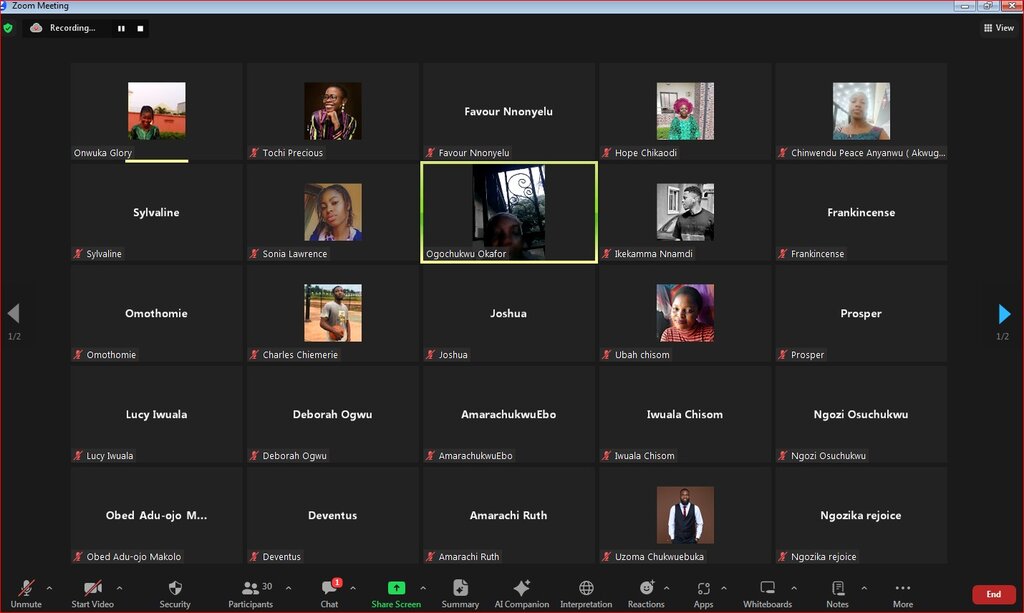
The other type is a pre-recorded, or one-way, interview. In this format, you won’t speak to a live person. Instead, the company sends you a set of questions, and you record your answers on video. You typically have a deadline and a limited amount of time to record each response. It's less of a conversation and more of a prepared presentation.
Advantages for Everyone
Why the shift to virtual? It offers clear benefits to both sides of the hiring equation. For employers, it opens up a global talent pool. They're no longer limited to candidates who live within commuting distance. This also speeds up the hiring process, as scheduling is much easier without travel logistics. It saves them money on flights and accommodations for candidates.
For you, the candidate, the perks are just as significant. You can interview for a job in another state or country from the comfort of your home. This flexibility saves you time and money on travel, and it can be less stressful than navigating an unfamiliar city to get to an office.
| For the Employer | For the Candidate |
|---|---|
| Access to a wider talent pool | Greater flexibility in scheduling |
| Faster hiring process | No travel time or costs |
| Reduced recruitment costs | Less stressful environment |
| Easier to schedule with multiple team members | Can interview with more companies |
Virtual vs. In-Person
While the goal is the same, the experience of a virtual interview is different from a traditional one. The most obvious difference is the lack of physical presence. In an office, you pick up on subtle cues about the company culture. You see how people interact in the hallways, what the workspace looks like, and the general vibe of the place. You miss all of that on a video call.
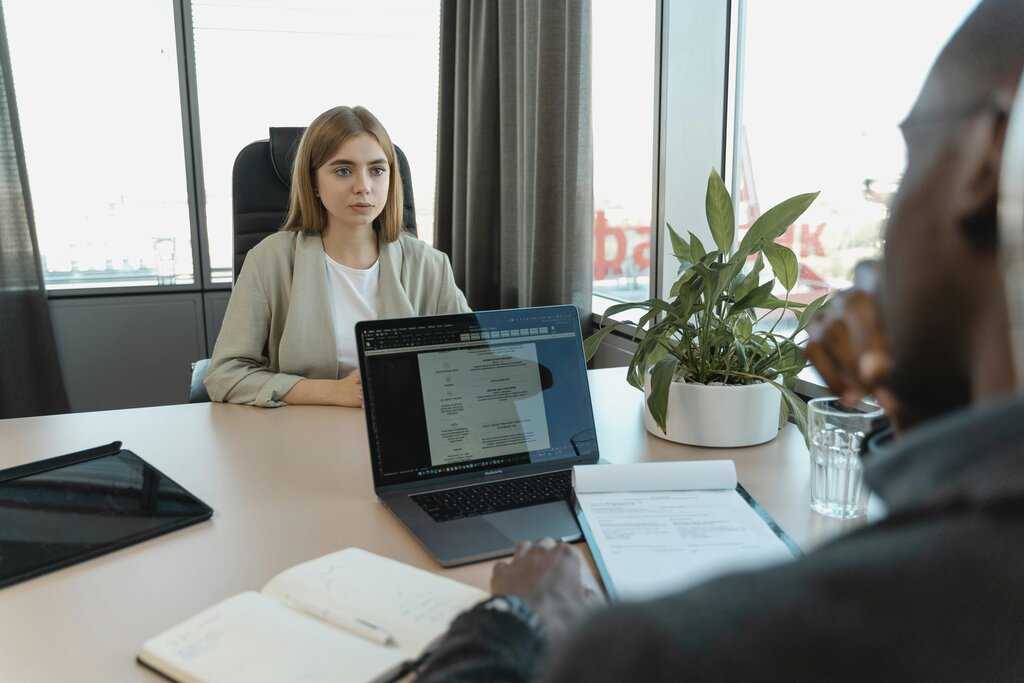
Building rapport can also be trickier. The small talk that happens naturally while walking to the conference room doesn't exist. You have to be more intentional about connecting with your interviewer through the screen. Non-verbal communication is also limited. The interviewer can only see you from the shoulders up, so your facial expressions and tone of voice become even more important for conveying enthusiasm and confidence.
The biggest challenge is often the technology itself. A poor internet connection or a malfunctioning webcam can create a bad impression, regardless of how qualified you are.
Understanding these differences is the first step in preparing to succeed. It's not about being better or worse than an in-person interview; it's about adapting your approach to a different medium. By recognizing the unique dynamics of the virtual setting, you can prepare to navigate its challenges and leverage its advantages.
What is the primary goal of a virtual job interview?
A company asks you to record your answers to a list of questions and submit them by a specific deadline. What type of interview is this?