Ace Your Virtual Interview
Understanding Virtual Interviews
The New Handshake
A virtual interview is simply a job interview that happens remotely using video conferencing technology. Instead of traveling to an office, you connect with an interviewer or a hiring panel from your own space. This format has become incredibly common, especially for internships and entry-level roles. Companies use them to screen candidates from anywhere in the world, saving everyone time and travel costs.
Virtual interviews are likely to stay post-pandemic as well as it is convenient for employers, ease scheduling conflicts, and can broaden the candidate pool.
Think of it as the new standard first-round interview. It allows a company to meet a wide range of applicants efficiently before deciding who to bring in for final, in-person meetings. For you, it's an opportunity to make a great impression from the comfort of your home.
Key Differences
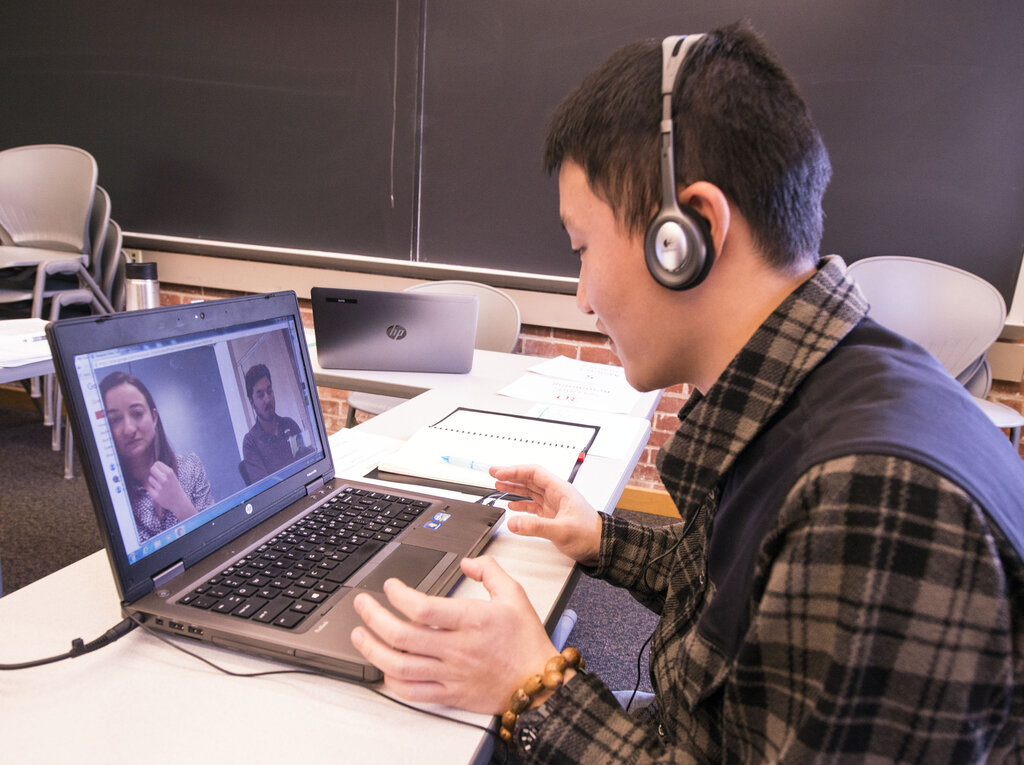
While the goal is the same—to see if you're a good fit for the role—the experience of a virtual interview is quite different from a traditional one. The most obvious change is the environment. You are in control of your setting, but you're also responsible for making sure it's professional and free of distractions.
Non-verbal communication also changes. Body language is harder to read through a screen, both for you and the interviewer. Eye contact means looking at the camera, not the screen, which can feel unnatural at first. The small talk that often eases you into an in-person interview might be shorter or feel more awkward online. Essentially, you have to be more intentional about how you present yourself.
| Feature | Virtual Interview | In-Person Interview |
|---|---|---|
| Setting | Your personal space (e.g., home office) | Company's office |
| Body Language | Limited to head and shoulders; eye contact is with the camera | Full body language is visible; eye contact is direct |
| Technology | Relies on stable internet, camera, and microphone | No technology required to connect |
| First Impression | Based on your digital setup, background, and on-screen presence | Based on your arrival, handshake, and presence in the room |
Platforms and Preparation
Companies use a variety of platforms for virtual interviews. You'll likely encounter common tools like Zoom, Microsoft Teams, Google Meet, or specialized hiring platforms. The recruiter will always let you know which tool they use ahead of time, giving you a chance to download it and get familiar with the interface.
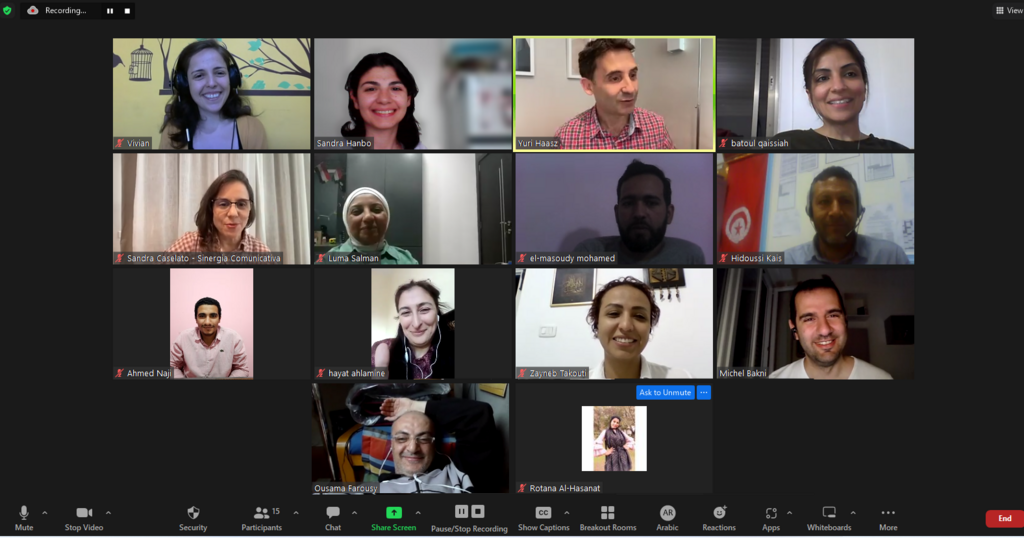
The virtual format has unique advantages and challenges. On the plus side, you can have your notes or resume discreetly available on your screen for reference. This can be a huge confidence booster.
The main challenge is the technology itself. A poor internet connection, a faulty webcam, or bad audio can create a negative impression that has nothing to do with your qualifications. Another hurdle is building a personal connection. Without the shared space of an office, it takes more effort to create rapport with your interviewer.
The key is to treat a virtual interview with the same seriousness as an in-person one. Preparation is what separates a smooth, professional conversation from a frustrating, glitchy call.
Time for a quick check on what you've learned.
Why have virtual interviews become a common practice for companies, especially for first-round screenings?
In a virtual interview, where should you primarily focus your gaze to simulate direct eye contact with the interviewer?
Mastering the virtual interview is a crucial skill in today's job market. By understanding the format and preparing for its specific challenges, you can showcase your abilities effectively and confidently.