Ace Your Virtual Interview
Understanding Virtual Interviews
The Rise of the Virtual Interview
A virtual interview is a job interview that uses video technology to connect a candidate with a hiring manager. Instead of meeting in an office, you'll talk from your respective locations through a computer or phone. This format has become incredibly common, not just for remote jobs, but for all types of roles. Companies use them to save time and money, and to interview candidates from anywhere in the world.
Virtual interviews are likely to stay post-pandemic as well as it is convenient for employers, ease scheduling conflicts, and can broaden the candidate pool.
Think of it as the new standard for the first or second round of interviews. Mastering this format is a key step in landing an internship or your next job.
Virtual vs. In-Person
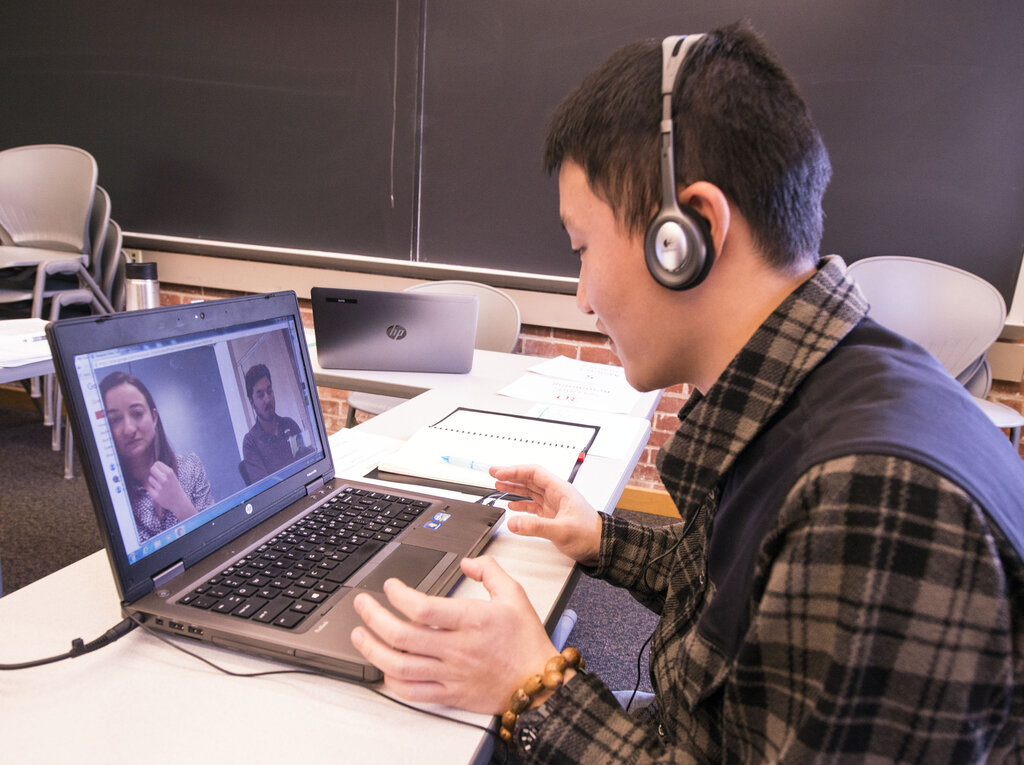
While the goal is the same—to see if you're a good fit for the role—the experience of a virtual interview is quite different from a traditional one. The biggest change is the environment. You are in your own space, and the interviewer is in theirs. This means you are responsible for the setting, the lighting, and the technology.
Non-verbal communication also changes. In person, it's easier to read body language, make eye contact, and build a natural rapport. Online, these signals can be harder to pick up. A slight video delay or a frozen screen can disrupt the flow of conversation. However, the core preparation remains the same. You still need to research the company, understand the role, and prepare answers to common questions.
| Feature | In-Person Interview | Virtual Interview |
|---|---|---|
| Location | Company Office | Your own space |
| Technology | None required | Webcam, microphone, internet |
| Body Language | Full body visible, easy to read | Mostly head and shoulders |
| First Impression | Handshake, physical presence | Screen presence, tech setup |
One unique benefit of a virtual interview is the ability to discreetly keep notes nearby. You can have your resume, key points about the company, or questions for the interviewer open on your screen (or on a sticky note) to help you stay on track.
An advantage of virtual interviews is that you can have your notes and questions handy on your computer screen during your conversation.
Common Platforms
Most companies use one of a handful of popular video conferencing tools. You'll likely encounter platforms like Zoom, Microsoft Teams, Google Meet, or Skype. While they have different layouts, their core function is the same: to provide video, audio, and sometimes chat or screen-sharing capabilities.
The company will almost always send you a link to join the meeting ahead of time. It's a good idea to download any necessary software and click the link well before your interview to make sure everything works. You don't want your first impression to be a technical problem.
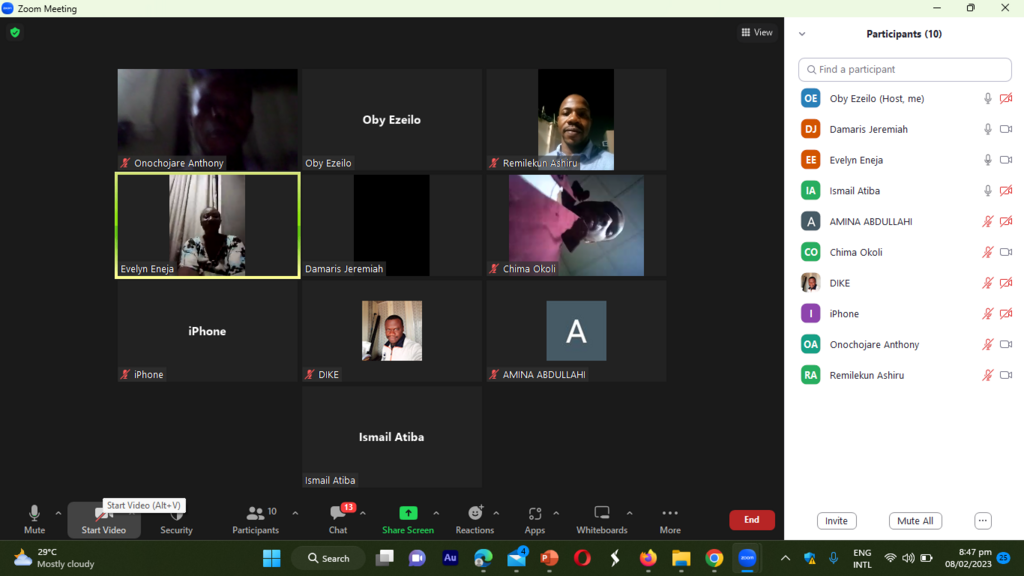
Familiarize yourself with the platform beforehand. A quick test call with a friend can help you get comfortable with the controls and check your audio and video quality.
Unique Challenges
Virtual interviews come with their own set of potential pitfalls. The most obvious is technology failure. A weak internet connection can cause your video to freeze or your audio to cut out, which is frustrating for everyone. Always try to use a stable, wired connection if possible.
Another challenge is conveying your personality and engagement through a screen. Without the benefit of full body language, you have to be more intentional with your expressions and tone. Look at the camera, not just the screen, to simulate eye contact. Smile and nod to show you're listening.
Finally, your environment is now part of your presentation. A messy room or a distracting background can send the wrong message. Choose a quiet, well-lit spot with a simple, professional background. Let anyone you live with know when your interview is so they don't interrupt you.
Your background is part of your professional image. Keep it clean and simple to ensure the focus stays on you.
By anticipating these challenges, you can prepare for them. A little planning ensures that you can focus on what matters: showcasing your skills and making a great impression.