Ace Your Virtual Interview
Understanding Virtual Interviews
What Is a Virtual Interview?
A virtual interview is a job interview that happens remotely, using technology like video conferencing. Instead of meeting in a physical office, you connect with the interviewer through a computer, tablet, or phone. This format has become extremely common, not just as a temporary solution but as a standard part of the hiring process for many companies.
Virtual interviews are likely to stay post-pandemic as well as it is convenient for employers, ease scheduling conflicts, and can broaden the candidate pool.
Think of it as a modern-day screening tool that lets employers connect with candidates from anywhere in the world. While many of the same rules apply as in-person interviews, the virtual setting has its own unique quirks and expectations.
Types of Virtual Interviews
Virtual interviews generally come in two flavors: live video calls and one-way recorded interviews.
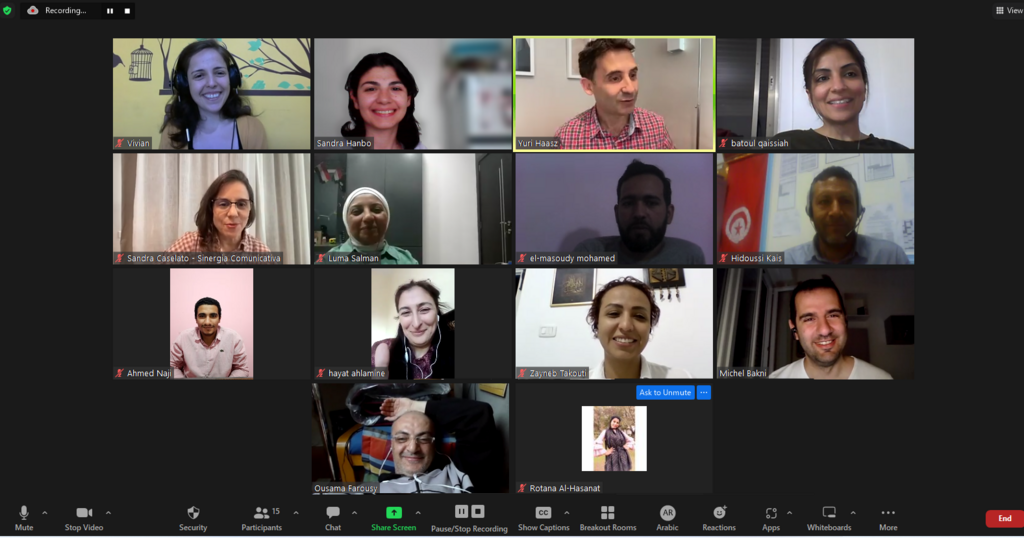
Live Video Interviews This is the most common type. It’s a real-time, face-to-face conversation with one or more interviewers, just like you’d have in an office. You'll use a platform like Zoom, Google Meet, or Microsoft Teams to connect. The goal is the same: to have a natural conversation where you and the employer can get to know each other. You might meet with a single person or a panel of interviewers.
One-Way Recorded Interviews This format is less personal and works differently. The company will send you a set of questions, either as text or a pre-recorded video. You then record your answers on your own time (within a deadline) and submit the video for them to review later. There’s no live interaction, which can feel a bit strange. You’re essentially talking to your camera, so it’s important to practice sounding natural and engaging without having someone to react to.
Advantages and Challenges
The virtual format offers clear benefits. There’s no commute, which saves you time and money. It's also much easier to schedule, especially if you and the interviewer are in different time zones. The biggest challenge is often technology. A weak internet connection or a software glitch can disrupt the flow and create a bad impression. It can also be harder to build a personal connection and read body language through a screen.
Another key difference is your environment. In an office, the setting is controlled. At home, you're responsible for creating a professional, quiet, and well-lit space free of distractions.
An advantage of virtual interviews is that you can have your notes and questions handy on your computer screen during your conversation.
While having notes is a perk, don't rely on them so much that you sound like you're reading a script. The goal is still to have an authentic conversation.
Adapting Your Skills
Success in a virtual interview isn't just about what you say, but how you present yourself through the screen. Much of the prep work is identical to a traditional interview: research the company, prepare your answers, and have questions ready for them.
However, you need to adapt your communication style. Since the interviewer only sees you from the shoulders up, non-verbal cues must be more intentional. Make eye contact by looking directly at your webcam, not at the screen. Use hand gestures where they can be seen, and make sure your facial expressions convey engagement and enthusiasm.
Your background, lighting, and audio quality are all part of your first impression. A blurry video or distracting background can pull focus away from your qualifications. Treating the virtual setup with the same seriousness as your outfit is key to making a strong, positive impact.
Time to review what you've just learned.
What are the two primary formats for virtual interviews?
When participating in a live video interview, looking directly at the interviewer's face on your screen is the best way to simulate eye contact.
By understanding these formats and preparing for the unique aspects of a virtual setting, you can present yourself just as effectively as you would in person.