Ace Your Virtual Interview
Understanding Virtual Interviews
The Rise of the Virtual Interview
A virtual interview is a job interview conducted remotely using video conferencing technology. Instead of traveling to an office, you connect with the interviewer from your own space through a laptop or other device. This format has become incredibly common, not just for remote jobs but for all types of positions, including internships and entry-level roles.
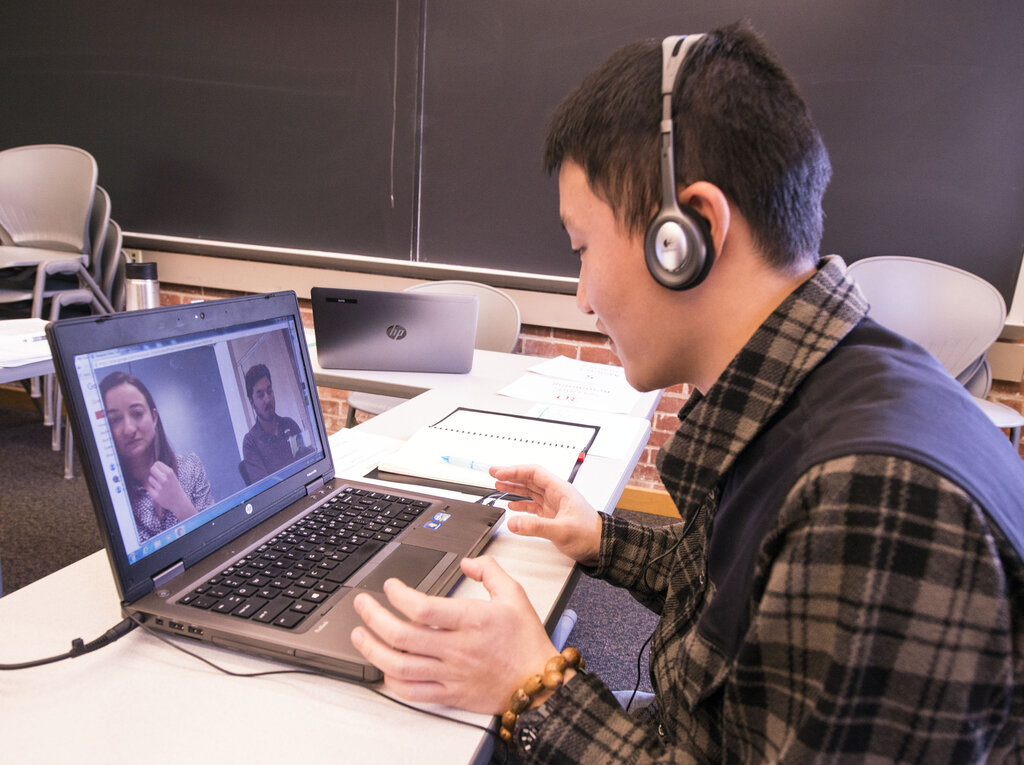
Companies use them to save time and money, and they can interview a wider pool of candidates. For you, it means you can interview for a job in another city without leaving your home.
There are two main types you'll encounter:
| Type | Description |
|---|---|
| Live Interview | This is a real-time, face-to-face conversation with one or more interviewers. It's the virtual equivalent of a traditional in-person interview. |
| Pre-Recorded Interview | Also called a one-way interview, this is where you receive a set of questions and record your answers on your own time. A hiring manager reviews your video later. |
Virtual interviews are likely to stay post-pandemic as well as it is convenient for employers, ease scheduling conflicts, and can broaden the candidate pool.
It's a Different Ballgame
While the goal is the same—to see if you're a good fit for the role—a virtual interview isn't just an in-person meeting on a screen. The format changes the dynamic in a few key ways.
Your Environment is Part of the Interview. When you interview in person, the company provides the professional setting. In a virtual interview, you are responsible for creating it. Your background, the lighting, and any potential noise are all part of the impression you make. A messy room or a barking dog can be distracting.
Technology is the Middleman. Your entire conversation is filtered through technology. A weak internet connection, poor audio, or a frozen screen can interrupt the flow and create a negative impression. Being comfortable with the technology is crucial.
Body Language is Magnified (and Minified). Non-verbal cues are different on camera. It's harder to read the interviewer's body language, and they can only see what's in your camera's frame. Small things, like where you look, become more important. Making eye contact means looking at the camera, not at the interviewer's face on the screen. It feels unnatural at first but makes a big difference in how engaged you appear.
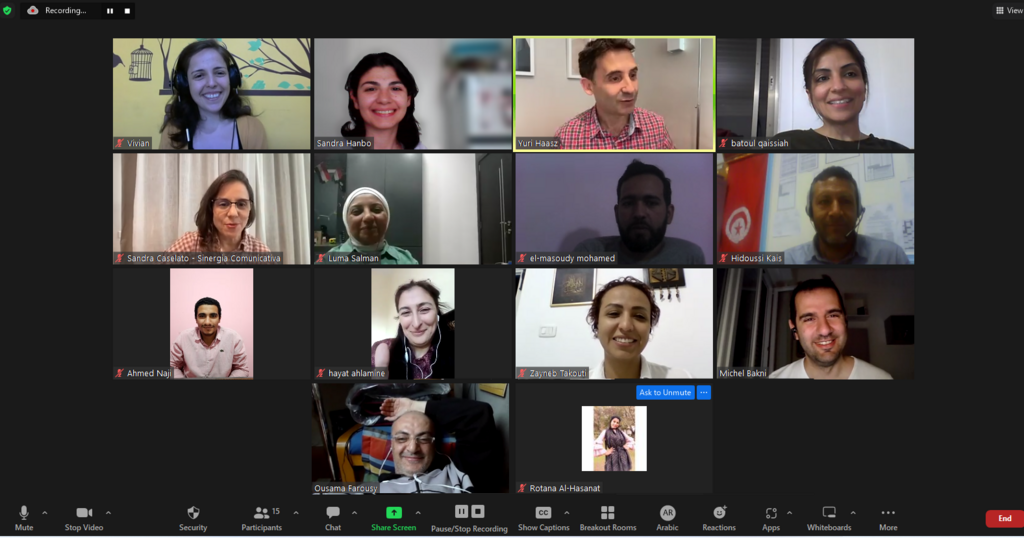
Adapting to this format is essential. A great candidate can make a poor impression with a sloppy virtual setup, while a well-prepared candidate can shine. Treating a virtual interview with the same seriousness as an in-person one shows professionalism and proves you're ready for the modern workplace.
According to the text, what is a primary reason companies have adopted virtual interviews?
To make effective "eye contact" and appear engaged in a virtual interview, a candidate should look directly at the interviewer's face on the screen.