Ace Your SpaceX Internship Interview
Understanding SpaceX's Mission
The Founding Story
In the early 2000s, Silicon Valley was buzzing about software, not spaceships. Yet, Elon Musk, fresh from his success with PayPal, was looking towards the stars. He noticed a decline in public excitement for space exploration and wanted to reignite that passion. His initial idea was a philanthropic stunt called "Mars Oasis": a plan to send a small greenhouse to Mars to grow plants. The goal was to capture the world's imagination.
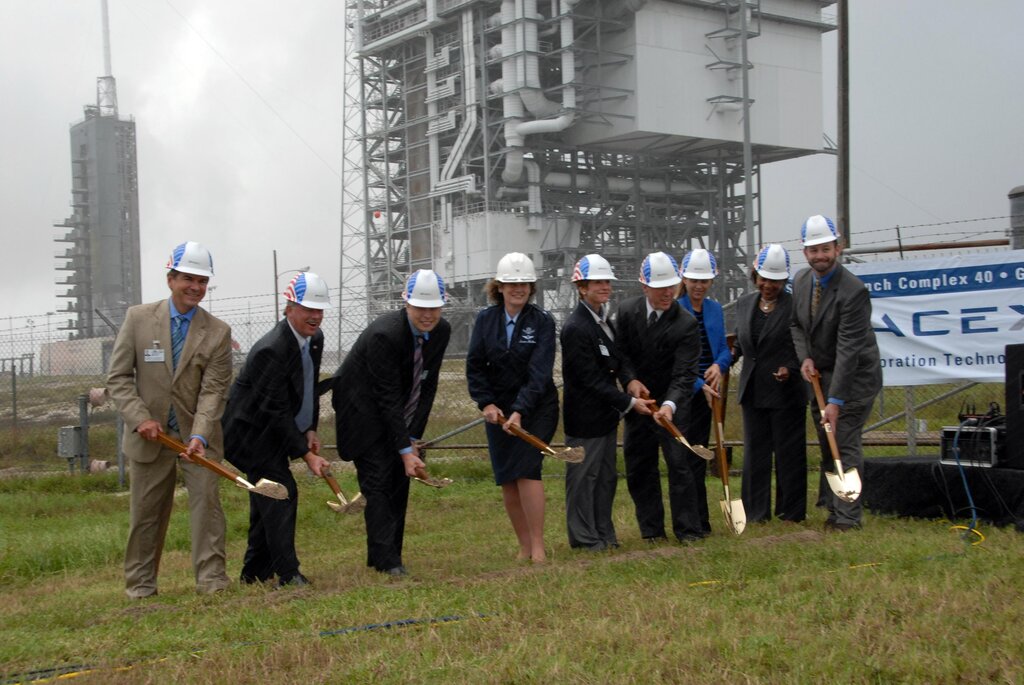
But when he tried to buy a rocket for the mission, he hit a wall. The prices were astronomical, far higher than the raw material costs suggested. He realized the aerospace industry was stuck in an old, expensive way of doing things. Instead of buying a rocket, he decided to build one himself. In 2002, with $100 million of his own money, he founded Space Exploration Technologies Corp., or SpaceX. The mission from day one was radical: to revolutionize space technology and make life multiplanetary.
Making Humanity Multiplanetary
SpaceX's ultimate goal isn't just about launching satellites or sending astronauts to the International Space Station. Those are just steps along the way. The core mission is much bigger.
The fundamental mission of SpaceX is to make life multiplanetary. This is a long-term goal to ensure the survival of consciousness and protect humanity from extinction events, whether self-imposed or from external sources.
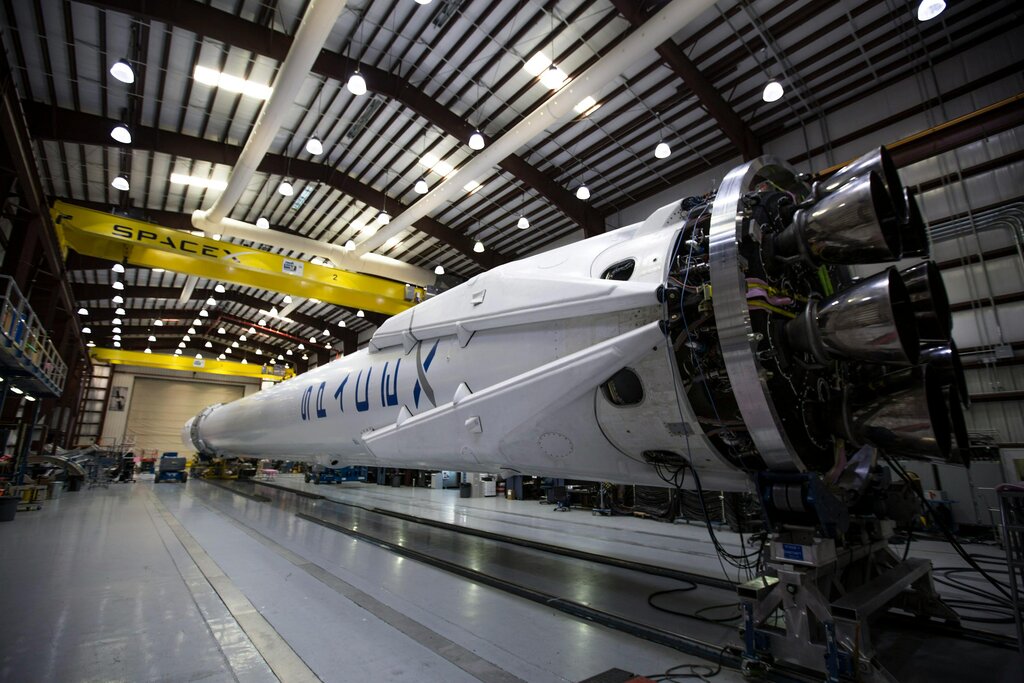
To achieve this grand vision, SpaceX identified the single biggest obstacle: the incredible cost of space travel. The solution? Reusability. For decades, rockets were used once and then discarded, like throwing away a Boeing 747 after a single flight from New York to London. This made every launch prohibitively expensive.
SpaceX's primary objective became developing fully and rapidly reusable rockets. By landing and reusing rocket boosters and fairings, they could slash the cost of accessing space by orders of magnitude. This innovation is the key that unlocks everything else, from building a satellite internet constellation to eventually establishing a self-sustaining city on Mars.
A Culture of First Principles
You can't revolutionize an industry without a unique culture. SpaceX is known for its intense, fast-paced environment, driven by a set of core values that challenge conventional thinking.
One of the most important concepts is reasoning from first principles. Instead of relying on how things have always been done, this approach involves breaking a problem down to its fundamental, undeniable truths. For rocketry, this meant asking: What are rockets made of? What is the market price of those materials? By starting from scratch, they found ways to build components for a fraction of the traditional cost.
Other key values shape the daily work at SpaceX:
| Value | Description |
|---|---|
| Move Fast | Iterate quickly, test ideas, and learn from failures. Speed is a crucial advantage. |
| Work with Urgency | The mission is critical. Every day counts towards making humanity multiplanetary. |
| Question the Status Quo | Challenge assumptions and established practices. "Because it's always been done that way" is not a valid reason. |
| Take Ownership | Employees are given significant responsibility and are expected to own their projects from start to finish. |
This culture isn't for everyone. It demands long hours, immense dedication, and a deep-seated belief in the mission. But for those who fit, it offers the chance to work on some of the most challenging and meaningful engineering problems in the world. Understanding this mindset is key to understanding SpaceX itself.
Elon Musk's approach to innovation emphasizes breaking down problems to fundamental principles, questioning existing assumptions, and pursuing cross-industry solutions.
Now that you have a grasp of the company's history, mission, and culture, let's test your knowledge.
What was Elon Musk's initial philanthropic idea to reignite public interest in space exploration before founding SpaceX?
What is the primary reason Elon Musk decided to build his own rockets instead of buying them?