Ace Your Senior Design Technologist Interview
Role Overview
The Hybrid Role
A Senior Design Technologist is a unique blend of a designer and an engineer. They are the bridge between the visual concepts of the user experience (UX) team and the practical implementation by the engineering team. Think of them as creative problem-solvers who use code as their primary tool to explore, prototype, and validate design ideas.
This role is not about writing production-ready code for the final product. Instead, it's about building high-fidelity, interactive prototypes that feel real. These prototypes help teams test assumptions, gather user feedback, and make informed decisions before committing expensive engineering resources. A senior professional in this role also takes on strategic responsibilities, influencing design systems, mentoring others, and identifying new technologies that can enhance the design process.
The role sits at the intersection of business, technology, and design, combining strategy, marketing, leadership, and other skills with the end goal of launching an amazing product.
Key Responsibilities
The day-to-day work of a Senior Design Technologist is varied and dynamic. They are deeply involved in the early stages of product development, turning static mockups into living, breathing experiences. Their core responsibilities usually revolve around a few key areas.
Primary duties include:
- Prototyping: Building functional prototypes using web technologies (HTML, CSS, JavaScript) or specialized tools like Framer and ProtoPie. This helps demonstrate complex interactions, animations, and user flows that static images cannot convey.
- Tooling and Systems: Creating and maintaining tools that improve the design team's workflow. This could involve developing plugins for design software, contributing to the company's design system, or setting up starter kits for new projects.
- Collaboration: Working closely with designers to understand their vision and with engineers to ensure the feasibility of designs. They translate design language into technical requirements and vice-versa.
- Innovation: Exploring emerging technologies like augmented reality, voice interfaces, or new web frameworks to see how they might be applied to future products.
Essential Skills
To succeed in this role, you need a balanced skill set that covers both technical craft and interpersonal abilities. Companies look for people who are not only proficient with code but can also think critically about design and communicate their ideas effectively.
| Hard Skills | Soft Skills |
|---|---|
| HTML, CSS, JavaScript | Communication |
| Prototyping Tools (Framer, ProtoPie) | Collaboration |
| Design Systems & Component Libraries | Problem-Solving |
| Version Control (Git) | Strategic Thinking |
| Creative Coding (p5.js, Three.js) | Empathy for Users |
| Accessibility (WCAG) | Mentorship |
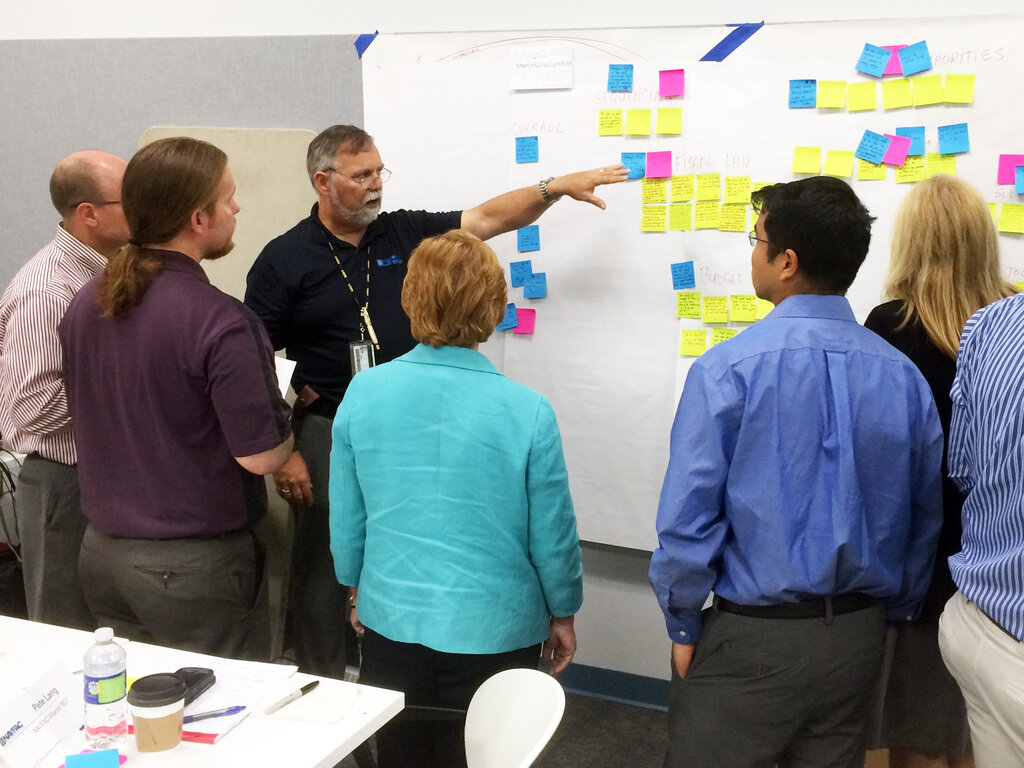
Hard skills are the foundation, allowing you to build and create. But soft skills are what make a Senior Design Technologist truly effective. They must be able to present their prototypes, articulate the reasoning behind their technical choices, and listen to feedback from various stakeholders. They act as a facilitator, ensuring that the design vision is executed faithfully and efficiently.
What Companies Look For
When hiring for this senior role, companies are looking beyond just a list of skills. They want to see a portfolio that demonstrates a strong sense of design, technical fluency, and a product-oriented mindset. Let's look at a typical job description.
Senior Design Technologist, Prototyping
Responsibilities:
- Partner with Product Designers and Researchers to define and prototype new features.
- Build and maintain a library of reusable prototyping components within our design system.
- Work with engineers to hand off prototypes and ensure design specifications are met.
- Explore and evaluate new tools and technologies to improve our design process.
Qualifications:
- 5+ years of experience in a design technology, creative technology, or frontend development role.
- A portfolio showcasing high-fidelity, interactive prototypes.
- Expertise in JavaScript, React, CSS, and modern web technologies.
- Strong understanding of UX design principles and best practices.
This example highlights the key themes: a blend of design and code, a focus on system-level thinking (the component library), and a collaborative spirit. To position yourself for an interview, you need a portfolio that tells a story for each project. Don't just show the final prototype; explain the problem you were trying to solve, the process you followed, and the impact your work had on the final product.
Understanding this role is the first step. By focusing on building a strong portfolio and honing both your technical and collaborative skills, you can effectively demonstrate the unique value you bring as a Senior Design Technologist.