Ace Your Job Interview in English
Understanding Job Interview Basics
The Purpose of the Interview
A job interview can feel like a one-sided test where you're under a microscope. But it's more helpful to think of it as a two-way conversation. Yes, the company wants to see if you have the skills for the job. But they're also trying to figure out if you'll be a good fit for their team and company culture. Are you curious? Do you solve problems thoughtfully? Will you be a positive addition to the workplace?
At the same time, this is your chance to interview them. You're evaluating whether this company is a place where you can do good work and grow. Do you like the people you meet? Does the company's mission excite you? Does the role seem like a good match for your career goals?
The job interview is a two-way street. Both you and the employer are trying to find the right fit.
The Stages of the Process
Interview processes vary, but they often follow a predictable pattern. Understanding the stages helps you know what to expect and how to prepare for each one.
1. The Initial Screening: This is usually a short phone or video call with a recruiter. The goal is to confirm your basic qualifications, discuss your salary expectations, and see if you’re genuinely interested in the role. It's a high-level filter to make sure everyone is on the same page before investing more time.
2. The Hiring Manager Interview: This is a deeper dive with the person you would likely report to. They will ask detailed questions about your experience and skills. This stage often includes behavioral questions (like "Tell me about a time when...") or a technical assessment to verify your abilities.
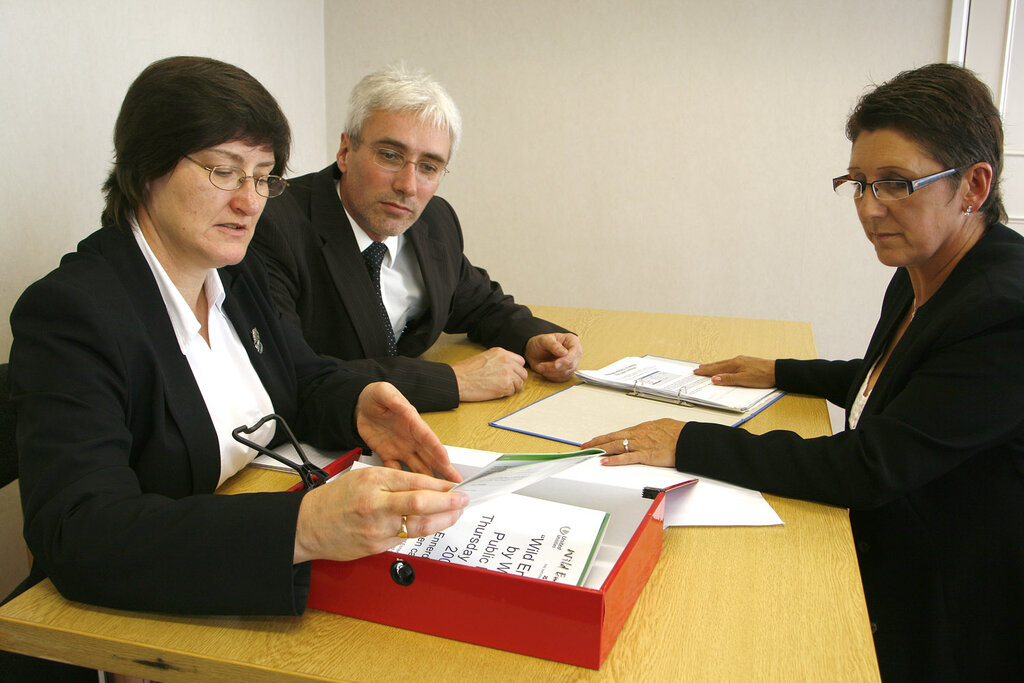
3. The Panel Interview: You might meet with several team members at once. This stage is designed to see how you interact with potential colleagues and handle group dynamics. They want to know if you can communicate clearly and collaborate effectively.
4. The Final Round: This could involve meeting with senior leadership, giving a presentation, or completing a final skills test. It’s the last step to ensure you have the right qualifications and get approval from key decision-makers.
Making a Great First Impression
Long before you answer the first question, you start making an impression. Getting the basics right shows that you're serious, professional, and respectful of the interviewer's time.
Punctuality is non-negotiable. For a video interview, log in five minutes early to test your connection and get settled. For an in-person meeting, plan to arrive 10-15 minutes ahead of time. This buffer accounts for unexpected traffic and gives you a moment to compose yourself.
Dress appropriately. Your attire should reflect the company's culture. A tech startup might have a casual dress code, while a law firm will expect a suit. If you're unsure, it's always safer to be slightly overdressed than underdressed. Your clothes should be clean, neat, and free of wrinkles. The goal is to look polished so the focus stays on you and your skills.
Finally, your demeanor matters. Maintain good posture, make eye contact, and offer a firm handshake if meeting in person. A professional, positive attitude shows you are enthusiastic and engaged in the conversation.
A little preparation goes a long way in ensuring a smooth interview experience.
Ready to check your understanding?
What is the most effective way to think about a job interview?
What is the primary purpose of the 'Initial Screening' interview stage?
Understanding these fundamentals transforms an interview from a stressful interrogation into a structured, professional conversation. It’s your opportunity to show what you can do and decide if the company is the right place for you.